Friday, July 14, 2023
Global, regional, and national burden of diabetes from 1990 to 2021, with projections of prevalence to 2050: a systematic analysis for the Global Burden of Disease Study 2021
Friday, January 20, 2023
Gap in life expectancy between rich and poor London areas has increased as house prices rise
Revealed:
Researchers at Imperial College London studied life expectancy in thousands of areas alongside house prices
VIEW 5 COMMENTS [их больше]Life expectancy was found to be highest in the central London districts
The gap in life expectancy between the richest and poorest areas of London has increased as house prices rise in a study showing how polarised the capital has become.
Researchers at Imperial College London tracked changes in life expectancy in thousands of areas between 2002 and 2019 and analysed these alongside data on house prices from the Land Registry.
The study examined data from 4,835 of London’s “lower-layer super output” areas, which have an average of approximately 1,500 residents or 650 households. Researchers calculated the correlation between the change in housing prices and the sociodemographic characteristics of each area.
It found that large gains in life expectancy occurred where house prices were already high, or in areas where house prices grew the most.
The average life expectancy for women increased from 80.9 in 2002 to 85.4 in 2019. For men, this figure climbed from 76.1 to 81.6 in the same period.
But the study found that life expectancy inequality — defined as the difference between the highest and lowest percentiles of the areas — had increased substantially. The gap between richest and poorest was 19.1 years for women and 17.2 years for men in 2019. In 2002, these figures were 11.1 and 11.6 for women and men respectively.
Life expectancy was highest in the central London districts of Kensington and Chelsea, Westminster, City and Camden. Lower life expectancy was spread in areas throughout the capital, researchers said, but was more common in outer east and south-east London.
The researchers concluded: “Where prices were high at the turn of the century, life expectancy increased substantially independently of price change, and with little change in the resident population. In areas that started with lower prices life expectancy only increased proportional to price change, and was accompanied by a greater influx of new residents into the area.”
The study said that areas where house prices grew the most saw an influx of “new, more educated and better-off” working age residents during the period.
The study’s authors write that London’s economic growth has been “highly polarised” and, despite city-wide growth in income, nearly one half of the city’s population falls in the two bottom rankings of national income deprivation. The study is published today in The Lancet.
Wednesday, January 11, 2023
Health and cancer risks associated with low levels of alcohol consumption
et al. Show all authors
https://doi.org/10.1016/S2468-2667(22)00317-6
The overall risks and harms resulting from alcohol consumption have been systematically assessed and are well documented. According to the latest WHO estimates, alcohol consumption contributed to 3 million deaths in 2016 globally and was responsible for 5·1% of the global burden of disease and injury. Alcohol consumption is associated with an increased risk of many health conditions and is the main and sufficient cause for several disorders, including alcohol dependence, liver cirrhosis, and several other non-communicable diseases and mental health conditions. Alcohol use is among the leading risk factors for premature mortality and disability because of its causal relationship with multiple health conditions, which also include non-intentional injuries and suicides. Younger people are disproportionately affected by alcohol compared with older people, and 13·5% of all deaths among those aged 20–39 years are attributed to alcohol. Disadvantaged and vulnerable populations have increased rates of alcohol-related death and hospitalisation.
Alcohol, as classified by the International Agency for Research on Cancer, is a toxic, psychoactive, and dependence-producing substance and a Group 1 carcinogen that is causally linked to seven types of cancer, including oesophagus, liver, colorectal, and breast cancers. Alcohol consumptions is associated with 740 000 new cancer cases each year globally.
In the EU, light to moderate alcohol consumption (<20 g of pure alcohol per day, which is equivalent to consumption of approximately <1·5 L of wine [12% alcohol by volume; ABV], <3·5 L of beer [5% ABV], or <450 mL of spirits [40% ABV] per week) was associated with almost 23 000 new cancer cases in 2017, accounting for 13·3% of all alcohol-attributable cancers and for 2·3% of all cases of the seven alcohol-related cancer types. Almost half of these cancers (approximately 11 000 cases) were female breast cancers. Also, more than a third of the cancer cases attributed to light to moderate drinking (approximately 8500 cases) were associated with a light drinking level (<10 g per day).
Increasing levels of alcohol use are associated with increasing levels of risk of illness and mortality, leading to the question of whether a safe level of alcohol consumption that is associated with zero risk of health consequences can be defined. To identify a safe level of alcohol consumption, scientific evidence is required to show the absence of increased risk of illness or injury associated with alcohol consumption at and below that level. Some, but not all, studies have suggested that light alcohol consumption could have a small protective effect, as measured by the risk of some cardiovascular diseases or type 2 diabetes. Some studies show the existen ce of such effects on certain types of cardiovascular diseases in middle-aged and older people. However, several reviews also found that the protective effects of moderate consumption disappear with heavy episodic drinking, which increases the risk of any cardiovascular diseases.
No studies have shown that the potential existence of a protective effect for cardiovascular diseases or type 2 diabetes also reduces the risk of cancer for an individual consumer. Evidence does not indicate the existence of a particular threshold at which the carcinogenic effects of alcohol start to manifest in the human body. As such, no safe amount of alcohol consumption for cancers and health can be established. Alcohol consumers should be objectively informed about the risks of cancer and other health conditions associated with alcohol consumption.
We declare no competing interests. All authors are staff members of WHO. The authors alone are responsible for the views expressed here and these do not necessarily represent the decisions or the stated policy of WHO.
Friday, December 2, 2022
Subacute parkinsonism
She had been treated with acenocoumarol, azathioprine, denosumab, and prednisolone.
On examination, the patient was distressed but her vital signs were normal. She had hypophonia, hypomimia, bilateral saccadic horizontal eye movements, and supranuclear upward gaze palsy. She had symmetrical brisk reflexes in all limbs with normal plantar reflexes; rigidity was found in both arms and legs with her right side affected more than her left. She had symmetrical bradykinesia in all limbs, and a resting and postural tremor bilaterally, that was more severe on her right side. The patient had a festinated gait and she needed support with walking; she had no arm swing, and episodically, experienced freezing (video).

Systemic lupus erythematosus and catastrophic antiphospholipid syndrome
Repeated blood and CSF cultures remained negative. We considered the probable diagnosis to be a flare-up of the patient's SLE with striatal encephalitis and catastrophic antiphospholipid syndrome.
SLE and antiphospholipid syndrome both have very varied clinical presentations. Catastrophic antiphospholipid syndrome, while uncommon in SLE, is often fatal. Severe disease flares in SLE and catastrophic antiphospholipid syndrome require prompt, extensive treatment by a multidisciplinary team.
Contributors
We all provided care for the patient and contributed to writing and editing the manuscript. Written consent was obtained from the patient's husband.
• View related content for this article
Subacute parkinsonism due to systemic lupus erythematosus and catastrophic antiphospholipid syndrome
Jasmijn A Hebbink, MD Edith Nobels-Janssen, MD Ivo Verhagen, MD Benno Kusters, PhD Sjoert A H Pegge, MD Anil M Tuladhar, PhDThursday, October 27, 2022
climate change
Изменение климата имеет все более серьезные последствия для здоровья людей во всем мире. К таким выводам пришли авторы ежегодного доклада "Обратный отсчет", опубликованного в медицинском журнале Lancet.
🔺В 2020 году 4,7 млн человек умерли в результате загрязнения воздуха, говорится в докладе. Причем 1,3 млн смертей напрямую связаны с сжиганием ископаемого топлива.
🔺Одна из самых главных проблем - продовольственная безопасность. С острой нехваткой еды сейчас столкнулось уже на 100 млн человек больше, чем в период 1981-2010 годов.
🔺Площадь суши, затронутая сильной засухой, за последние полвека увеличилась почти на треть, что поставило сотни миллионов людей перед невозможностью вести сельское хозяйство и риском умереть от жажды.
🔺Перебои с поставками продуктов, вызванные вторжением России в Украину в феврале, наглядно продемонстрировали, насколько мир чувствителен к сбоям в пищевой логистике, и эта ситуация лишь усугубила последствия, вызванные климатическими изменениями.
Подробностi
Люди голодают, люди замерзают, люди умирают. У нас климатическая катастрофа, и вы боитесь только томатного супа или картофельного пюре на картине.
Friday, March 18, 2022
The Russian invasion of Ukraine and its public health consequences
The unprovoked and unjustified Russian invasion of Ukraine on 24 February 2022 is already having terrible consequences for health. As we write, only seven days since Russian troops crossed the border, substantial numbers on both sides have died, many due to Russian attacks on civilian targets in violation of international law. [1]
This catastrophic turn of events comes hard on the heels of the two-year COVID-19 pandemic during which countries of Eastern Europe were among some of the worst affected. [2] All governments are struggling to replenish public finances, with health services facing great pressures, yet the invasion is resulting in substantial resources in Europe now being understandably diverted to bolster defences. [3]
The Ukrainian health system is facing exceptional pressure. Demand has vastly increased by the steeply growing number of casualties caused by the attacks on densely populated areas, alongside the ongoing needs of those with serious infectious and chronic conditions. However, its ability to meet these needs is being severely depleted by the reckless destruction of infrastructure, displacement of health workers and shortage of essential supplies, including oxygen.
The impact of these events will also be felt in the months to come by the people of Russia and Belarus following imposition of unprecedented economic sanctions. Their health systems will face severe shortages, including modern therapies, many of which come from Western countries. Beyond this, the social, economic and political stresses will worsen the living conditions of many, and may potentially trigger substantially increased mortality similar to that seen following the collapse of the Soviet Union.
Author contribution
Declaration of interests
Authors do not have anything to declare.References
- ICRC. Practice relating to rule 6. Civilians’ loss of protection from attack. n.d. https://ihl-databases.icrc.org/customary-ihl/eng/docindex/v2_rul_rule6. Accessed 1st March 2022. View in Article Google Scholar
- Islam N. Jdanov D.A. Shkolnikov V.M. et al. Effects of covid-19 pandemic on life expectancy and premature mortality in 2020: time series analysis in 37 countries.BMJ. 2021; 375e066768 View in Article Google Scholar
- Deutsche Welle. Germany commits €100 billion to defense spending. 2022. https://www.dw.com/en/germany-commits-100-billion-to-defense-spending/a-60933724. Accessed 27th February 2022. View in Article Google Scholar
- Roberts B. Makhashvili N. Javakhishvili J. et al. Mental health care utilisation among internally displaced persons in Ukraine: results from a nation-wide survey.Epidemiol Psychiatr Sci. 2019; 28: 100-111 View in Article Google Scholar
- Hassink L. Handling submissions that include Russian researchers. Elsevier author update 1st March 2022 2022. View in Article Google Scholar
- An open letter from Russian scientists and science journalists against the war with Ukraine. 2022. https://www.eureporter.co/world/russia/2022/02/24/an-open-letter-from-russian-scientists-and-science-journalists-against-the-war-with-ukraine/. Accessed 27th February 2022.
Saturday, September 18, 2021
What is wrong with global health?
At the beginning of 2021, The Lancet Global Health invited readers, particularly those who are not regular contributors to our pages, to share their expertise and experiences with us in the form of Correspondence, Viewpoints, and Comments on the theme: What is wrong with global health? This page presents a collection of all published responses.
Why and for whom are we decolonising global health?
The Lancet Global HealthVol. 9No. 10e1359–e1360Published: October, 2021
Ong’era F Mogaka
Jenell Stewart
Elizabeth Bukusi
Thinking outside the modern capitalist logic: health-care systems based in other world views
The Lancet Global HealthVol. 9No. 10e1355–e1356Published: October, 2021
Erika Arteaga-Cruz
Juan Cuvi
Transcending global health dogma: an Indigenous perspective
The Lancet Global HealthVol. 9No. 10e1357–e1358Published: October, 2021
Kirti Ranchod
Danilo Silva Guimarães
Says who? Northern ventriloquism, or epistemic disobedience in global health scholarship
The Lancet Global HealthVol. 9No. 9e1332–e1335Published: September, 2021
Thirusha Naidu
Voices in the wilderness: how exclusionist article processing charge policies of academic journals underscore what is wrong with global health
The Lancet Global HealthVol. 9No. 9e1205–e1207Published: September, 2021
Bassey Edem
Esin Nkereuwem
Oghenebrume Wariri
Epistemic injustice in academic global health
The Lancet Global HealthVol. 9No. 10e1465–e1470Published: August 9, 2021
Himani Bhakuni
Seye Abimbola
Systemic racism in global health: a personal reflection
The Lancet Global HealthVol. 9No. 8e1051–e1052Published: August, 2021
Bolajoko O Olusanya
Challenges for breaking down the old colonial order in global health research: the role of research funding
The Lancet Global HealthVol. 9No. 8e1057Published: August, 2021
Larissa Fortunato Araújo
Flávia B Pilecco
Francisco Gustavo Silveira Correia
Marcelo José Monteiro Ferreira
Reform of research funding processes could pave the way for progress in global health
The Lancet Global HealthVol. 9No. 8e1053–e1054Published: August, 2021
Gloria Ashuntantang
Valerie Luyckx
Saraladevi Naicker
Sridhar Venkatapuram
My experience in global health
The Lancet Global HealthVol. 9No. 8e1058Published: August, 2021
Girija Sankar
Coming to terms with COVID-19 personally and professionally in Bangladesh
The Lancet Global HealthVol. 9No. 10e1471–e1473Published: July 16, 2021
Senjuti Saha
Global health in low-income and middle-income countries: a framework for action
The Lancet Global HealthVol. 9No. 7e899–e900Published: July, 2021
Isaac Olufadewa
Miracle Adesina
Toluwase Ayorinde
Evidence-based medicine in low-income and middle-income countries
The Lancet Global HealthVol. 9No. 7e903–e904Published: July, 2021
Sudeep Adhikari
A call for reforms in global health publications
The Lancet Global HealthVol. 9No. 7e901–e902Published: July, 2021
Dhananjaya Sharma
The words we choose matter: recognising the importance of language in decolonising global health
The Lancet Global HealthVol. 9No. 7e897–e898Published: July, 2021
Franziska Hommes
Helena Brazal Monzó
Rashida Abbas Ferrand
Meggan Harris
Lioba A Hirsch
Emilie Koum Besson
John Manton
Toyin Togun
Robindra Basu Roy
Friday, June 4, 2021
all we need is
справедливо не только про СПИД
June 5, 2021 marks 40 years since the first description of cases of what came to be known as AIDS. Since then, remarkable progress has been made in understanding the disease and its treatment. The HIV response globally has not always been smooth but has become a model for community engagement.
The Lancet journals have been committed to supporting HIV research and communities affected since the early days and we mark this anniversary with a collection of content, old and new, from across the Lancet family.
Friday, January 15, 2021
Monday, January 4, 2021
2020 has been a year like no other
In January 2020, a novel virus with pandemic potential was identified. Scientists mobilized like never before. With the help of our authors, peer reviewers, and readers, we have published the best available evidence to inform policy and clinical care, with the shared aim of protecting and improving lives around the world
The Lancet is an expanding family of journals covering all specialties. Our collective most read content in 2020 has mostly been on COVID-19. It has dominated all aspects of everyone’s lives, and rightly so. The pandemic is still ongoing. With over 1•5 million lives already tragically lost, health care disrupted, the education of over one billion children put on pause, and economic hardship faced by millions of people, the shadow of the pandemic will be long-lasting. COVID-19 will be one of many challenges we face in 2021, but we hope that by continuing to publish the best science, advocating for science to make a difference alongside our authors and partners, and proclaiming the right to health, to make a lasting contribution not just to science, but global society.
шведский опыт от туда же — там есть ссылка на шведскую статистику
Saturday, October 17, 2020
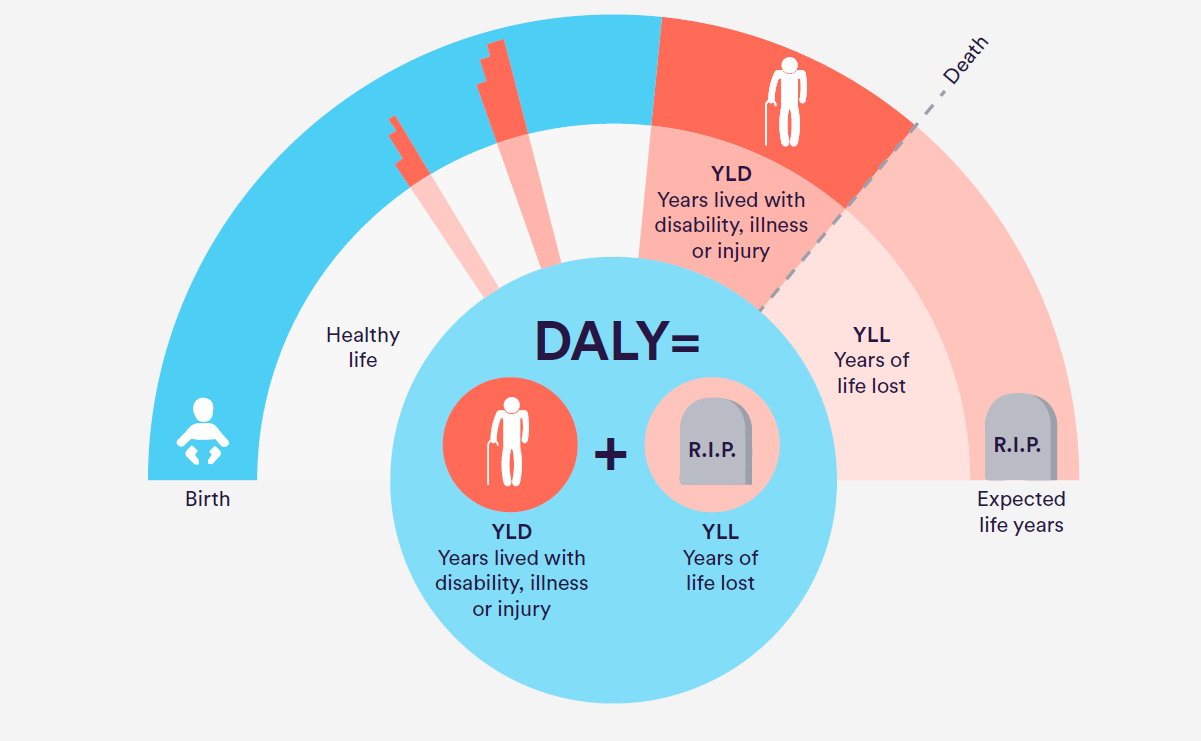
DALY
Исследование "Глобальное бремя болезней" показало в России самую низкую продолжительность здоровой жизни в Европе, сообщает журнал The Lancet.
В последние десять лет в России этот показатель ежегодно снижался в среднем на 2%.
Однако, несмотря на этот прогресс, наша страна заняла последнее место в Европе по ожидаемой продолжительности здоровой жизни. В прошлом году этот показатель составил 63,7 года. Лидером стала Исландия с результатом 71,9 года.
Участвовавшие в исследовании российские ученые связывают слабый результат страны с высокими рисками неинфекционных болезней, вызываемых курением, употреблением алкоголя, неправильным питанием и низкой физической активностью.
Saturday, September 12, 2020
Offline: The crisis of political language
Sunday, July 26, 2020
Saturday, July 18, 2020
sub-Saharan Africa might exceed its projected population size
Why sub-Saharan Africa might exceed its projected population size by 2100
Alex Ezeh, Frances Kissling, Peter SingerOpen Access Published:July 14, 2020 DOI: https://doi.org/10.1016/S0140-6736(20)31522-1
Christopher Murray and colleagues [ссылка на сопсно прогноз Мурэя и кампании] at the Institute for Health Metrics and Evaluation (IHME) report their new models of future global, regional, and national population scenarios as a function of fertility, migration, and mortality rates for 195 countries and territories from 2017 to 2100.
придётся читать оргинал, а не хотелось
Sunday, July 5, 2020
Tuesday, June 16, 2020
Political casualties of the COVID-19 pandemic
In the UK, which as of June 10 ranks fourth in the world in the number of COVID-19 cases and second in the number of deaths, public approval of the Conservative Government's handling of the COVID-19 outbreak has declined steadily during the lockdown. According to a YouGov survey, only 41% of people in the UK on May 29 said they thought the government was handling the issue of COVID-19 very or somewhat well, compared with a high of 72% on March 27. Loss of confidence in the UK Government results in part from confusing and inconsistent messaging at the government's daily media briefings, a lack of transparency around the scientific evidence and who exactly is informing policy, neglect of care homes as cases and deaths in hospitals rose, and refusal to acknowledge the dearth of personal protective equipment available to health-care workers. Prime Minister Boris Johnson's continued support of his chief advisor Dominic Cummings after Cummings broke lockdown rules was perhaps the final nail in the coffin of public trust. Unsurprisingly, hypocrisy and an attitude of “one rule for us, another for them” does not win public favor.
Elsewhere, public confidence in-country leadership is similarly declining. Unpopular internationally and domestically before the outbreak, support for Brazil's President Jair Bolsonaro has since taken a further nosedive because of his failure to acknowledge the seriousness of the pandemic and his open flouting of lockdown rules while thousands of Brazilians die from COVID-19. Bolsonaro's actions have sown confusion and dissent among the Brazilian population, made worse by the government's decision on June 5 to cease publishing cumulative totals of COVID-19 cases and deaths and to remove months of data from the public domain. After public outrage, accusations of censorship, and a ruling by a Supreme Court judge, these data were quickly reinstated, but the damage had already been done.
Public distrust of authorities has detrimental effects on the control of infectious diseases. Not only does it permit conspiracy theories to take hold, but it also fosters vaccine hesitancy. It is not clear when a COVID-19 vaccine will be ready to deploy, but its success will to a great extent be determined by people's acceptance of immunization. Vaccine hesitancy has been on the rise, and evidence from a survey in France suggests the situation is no different for COVID-19. 26% of respondents to the survey said they would not use a vaccine if one became available, with differences in acceptance related to the candidate who respondents voted for in the first round of the 2017 presidential election. This finding demonstrates the integral role of politicians in the acceptance of public health interventions. Public mistrust in leadership could also undermine the public's compliance with, and so the success of, responses to the second wave of infections.
Governments and political leaders around the world might become casualties of COVID-19. How they have responded to the outbreak and listened to and communicated with their citizens will be important in deciding their fates in future elections. Public trust must be earnt, and COVID-19 has made clear who is and is not worthy of that trust.
View related content for this article
The Lancet Infectious Diseases
Published: June 11, 2020 DOI
Saturday, June 6, 2020
Salient lessons from Russia's COVID-19 outbreak
Published: June 06, 2020 DOI:https://doi.org/10.1016/S0140-6736(20)31280-0
29-01-2020 Совещание о мерах по борьбе с распространением
коронавируса в России. Слева направо: Анна Юрьевна Попова,
Татьяна Алексеевна Голикова, Владимир Владимирович Путин,
Михаил Альбертович Мурашко.
|
There were some grounds for optimism. The 2615-mile Chinese–Russian border was shut early, on Jan 30; population density in the country is low; and the public health system in Russia has long experience in the control of infectious diseases such as plague. Although many countries have cut back capacity over the past few decades, Russia has retained an extensive, albeit outdated, public health system. Testing capacity in Russia, for example, is vast, and was scaled up quickly. In Russia, more than 10 million tests have been done so far and more than 200 laboratories are providing same-day test results.
This large testing programme at least partly explains the high number of cases. Although many countries have very large numbers of cases, health officials publicly admit that the official number is still a sizeable underestimation. As for deaths, many explanations have been put forward for the relatively low mortality rate—from questions over how cause of death is attributed, to the presence of widespread testing—but data on excess deaths and all-cause mortality are needed to give the best insight into the true toll of the epidemic in Russia.
Nevertheless, like in many other countries, there have been conspicuous shortages of personal protective equipment (PPE) throughout the care system. According to one report, Russian health workers are 16 times more likely to die from COVID-19 than their counterparts in other countries, accounting for an estimated 7% of all COVID-19 deaths in Russia. Russian health workers report having been discouraged from highlighting PPE shortages. There have also been problems with ventilators, a situation emblematic of Russia's vast but creaking health system. Before the epidemic, Russia had 27 ventilators per 100 000 citizens, far more than the 18·8 per 100 000 in the USA. However, many of these ventilators were old and doctors have complained about their quality.
There are also regional variations to contend with. Quality of health care differs greatly across Russia's many regions, which have varying levels of preparation and equipment. A doctor speaking to the BBCcalled the kit available to doctors in Dagestan “primitive”, and the region has capacity for fewer than 1000 tests a day among a population of more than 3 million. According to a local health minister, 40 health workers have died of COVID-19 in Dagestan, which is more than the official total of all COVID-19 fatalities for the region.
Regionalisation and delegation have led to a problem with overall public health messaging, a consistent feature of countries struggling to manage their COVID-19 outbreaks. On May 11, President Vladimir Putin called an end to Russia's “non-working period”, first declared on March 30. As part of these measures, wages were paid by companies for furloughed workers, rather than the state, but the removal of these measures meant companies could refuse to pay workers who did not return to work. The return to work for Russians clashed with the message from deputy prime minister, Tatiana Golikova, who subsequently explained that only 11 of Russia's 85 regions were in the position to loosen restrictions at all. Although regions have been in charge of their own lockdown measures, the message from the central powers has been the need to return to work and restart the economy.
Among all of this, public trust in Putin appears to be eroding, with his approval rating tumbling in recent weeks. There is a sense that by leaving the difficult decisions about public health to the regions he will absent himself from blame for the toll of the pandemic in Russia. The USA, Brazil, and to an extent the UK, have seen how local government and the public often have to use their own best judgment when they do not receive direct, consistent messaging from the top. There are many unique factors at play in the Russian epidemic, but a lack of clear political leadership has become a common hallmark of countries that have suffered the most.
Friday, May 15, 2020
covid reproductive number
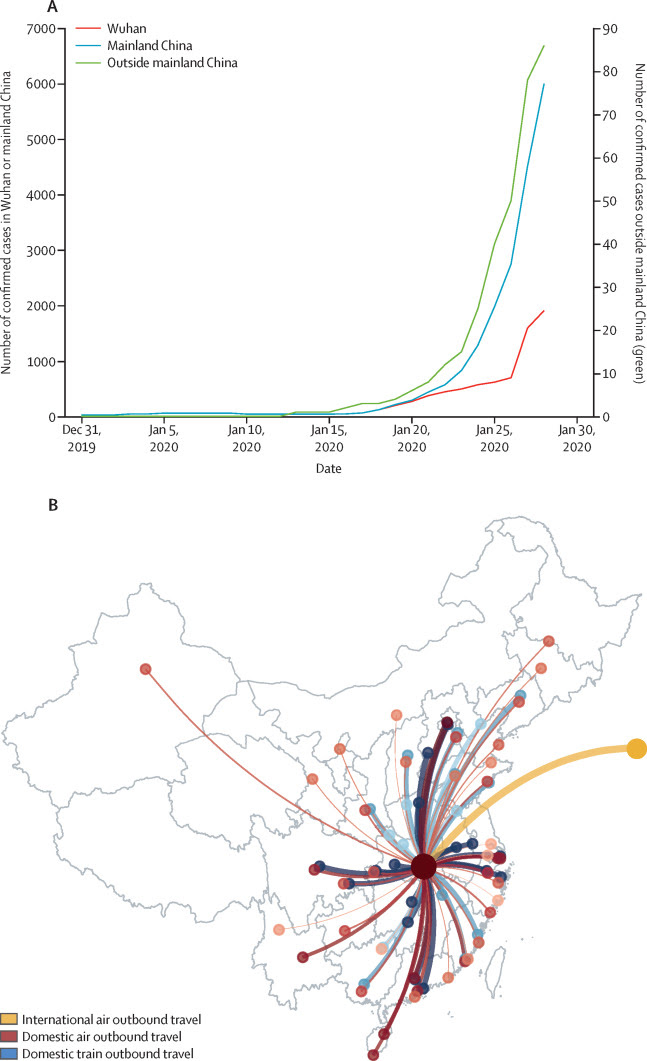
Risk of spread outside Wuhan
Tuesday, May 5, 2020
A 5-point strategy for improved connection with relatives of critically ill patients with COVID-19
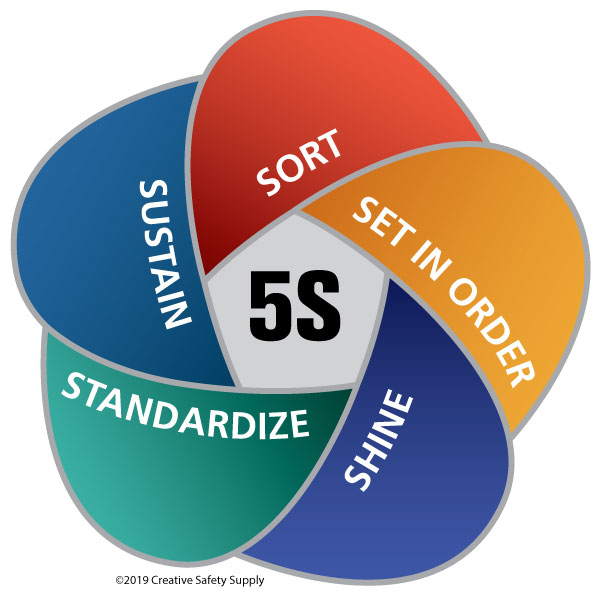
- Stimulate family visits by restricting them to the closest relative who is asymptomatic and able to apply optimal personal protective measures.
- Standardized written information for relatives. This letter is sent to the relatives but also discussed during the first remote call between the health-care professionals and the family.
- Schedule routine telephone calls with the relatives to maintain continuity of communication. The calls could be made by a medical student, a non-ICU physician, another health-care professional, or a volunteer. In addition to these calls, family members are invited to call the physician and bedside nurse once a day to receive basic information. More detailed information is to be provided during a face-to-face meeting when the relative visits the patient. For conscious patients, smartphones and digital tablets can allow video calls or virtual ICU visits.
- Stay in touch by encouraging the family to find ways to improve the link with the relative (web-based remote family conferences, diaries, drawings, text messages, and media groups).
- Switch to a different approach in end-of-life situations to avoid depriving family members of the opportunity to say goodbye to a relative. For example, family conferences should be organized, remotely if needed, to meet family needs and prepare for the bereavement. The relative should be allowed to stay in the room as much as possible. However, the safety of the relative is a primary concern, and the health-care professionals must provide the relative with training in the use of personal protective equipment.
The Lancet
Wednesday, April 22, 2020
Centring sexual and reproductive health and justice in the global COVID-19 response
The complex interplay between biological and behavioral risk factors needs to be recognized during the COVID-19 pandemic. It is not yet known whether the higher COVID-19 case fatality rates reported in men compared with women in China, South Korea, and Italy to date are attributed to sex-specific biological susceptibility, variations in pre-existing comorbidities, behavioral risk factors, or some combination of these factors. In terms of behavioral risk factors, women's risk of contracting COVID-19 may be higher than men's risk as women are front-line providers, comprising 70% of the global health and social care workforce, and they do three times as much unpaid care work at home as men.
Moreover, pregnant women could be at risk of pregnancy-related complications during the COVID-19 pandemic. Severe acute respiratory syndrome and Middle East respiratory syndrome were associated with increased risk of pregnancy-related morbidity and mortality, but data on COVID-19 are scarce. In China, among nine women in their third trimester with COVID-19, clinical outcomes were similar to non-pregnant adults. Yet another study of 33 neonates born to mothers with COVID-19 identified intrauterine vertical transmission of COVID-19 in three neonates. However, studies to date have been based on third-trimester cases and viral infections during pregnancy are typically most severe during the first 20 weeks of gestation.
Disruption of services and diversion of resources away from essential sexual and reproductive health care because of prioritizing the COVID-19 response is expected to increase risks of maternal and child morbidity and mortality. Globally, there are anticipated shortages of contraception. Sexual and reproductive health providers and clinics, which are the primary care providers and a safety net for women of reproductive age, youth, those uninsured for health care, and people on low incomes in many countries including in the USA, may also be deemed non-essential and diverted to respond to COVID-19. Past humanitarian crises have shown that reduced access to family planning, abortion, antenatal, HIV, gender-based violence, and mental health care services results in increased rates and sequelae from unintended pregnancies, unsafe abortions, sexually transmitted infections (STIs), pregnancy complications, miscarriage, post-traumatic stress disorder, depression, suicide, intimate partner violence, and maternal and infant mortality. Additionally, systemic racism, discrimination, and stigma are likely to further compound logistical barriers to accessing sexual and reproductive health care for women and marginalized groups.
Restrictive global policies that target vulnerable populations will exacerbate sexual and reproductive health and justice inequities. The US administration's Protecting Life in Global Health Assistance (PLGHA) policy is of grave concern. The PLGHA expanded the Global Gag Rule (the Mexico City policy), which blocks US global health assistance to foreign non-governmental organizations that provide, counsel, refer, or advocate for abortion services. Three crucial impacts of the PLGHA include decreased stakeholder coordination and chilling of sexual and reproductive health and rights discussions; reduced access to family planning, with increases in unintended pregnancy and induced abortion; and negative outcomes beyond sexual and reproductive health, including weakened health systems functioning. Migration policies of deterrence, including closures at US and European borders, force women to live in informal settlements or conditions of poverty for long periods of time, often without basic sanitation and hygiene or access to health care during antenatal and postnatal periods.
Only when public health responses to COVID-19 leverage intersectional, human-rights centered frameworks, transdisciplinary science-driven theories and methods, and community-driven approaches, will they sufficiently prevent complex health and social adversities for women, girls, and vulnerable populations. The way forwards will not be easy. Even rigorous implementation of science-driven approaches might not match the pace of COVID-19 threats in the face of reduced human capacity, shortages of drugs and supplies, and increased demands on already strained sexual and reproductive health services.
For clinical services and programs, additional resources must be directed to, not diverted from, the sexual and reproductive health workforce so that effective, evidence-based approaches are deployed. Previous humanitarian crises have shown the crucial role of contraception and medication abortion for the prevention of unintended pregnancy and maternal mortality. Resources also need to ensure access to skilled health workers for deliveries and emergency obstetric care. Telemedicine can be used to provide access to services for medication abortion, contraception, and expedited partner therapy for STI prevention, as well as trauma-informed care for managing gender-based violence, post-traumatic stress disorder, depression, and suicide.
Sex-disaggregated mortality and morbidity surveillance data should be a priority in COVID-19 research. Plans must prioritize protections for participants but account for gender perspectives, lived experiences, and outcomes in research design, intervention, evaluation, interpretation, and dissemination. Immediate research priorities focused on identifying the pathophysiology of the disease and the development of vaccines and therapeutics should give explicit attention to sex differences in viral transmission and disease progression, biological, social, and environmental risks by gender, and safety of vaccines and drugs for pregnant and lactating women.
All these efforts must be community-driven. Recognition of inequitable power structures, distribution of resources, and a collaborative approach dictate the way forward. Advocates must continue to fight the exploitation of the COVID-19 crisis to further an agenda that restricts access to essential sexual and reproductive health services, particularly abortion, and targets immigrants and adolescents.
A sexual and reproductive health and justice policy agenda must be at the heart of the COVID-19 response. The response must ensure that universal health coverage includes pregnant women, adolescents, and marginalized groups and must designate sexual and reproductive health, family planning, and community health centers as essential health providers, reallocating resources accordingly. Policymakers should scale up telemedicine for needed, evidence-based care for women and girls, including sexual and reproductive health care. Finally, the response must eliminate legal and policy restrictions to sexual and reproductive health service provision and reverse the PLGHA and Global Gag Rule [из-за этого стока букаф] to ensure comprehensive sexual and reproductive health care for women and girls around the world.