Showing posts with label демократия. Show all posts

Wednesday, September 25, 2024

belarus

ПРАДМОВА 

Ідэі і развагі, якімі я дзялюся ў гэтай кнізе, пачалі фармавац- ца непасрэдна ў 2020-м, калі я далучылася да пратэстнага руху. Некаторыя з іх, у больш папулярнай і, так бы мовіць, «мабілізацыйнай» форме ўвайшлі ў розныя публікацыі, якія я рыхтавала для незалежных СМI і экспертных пляцовак, альбо посціла на сваёй старонцы ў ФБ цягам некалькіх год. Менавіта ўдзел у пратэстным руху зрабіў мяне публічным інтэлектуалам. Вельмі спадзяюся, што сярод чытачоў гэ- тай кнігі будуць і тыя, хто раней чытаў маю публіцыстыку і адгукаўся на яе. Нягледзячы на акадэмічны фармат, кніга пісалася для больш шырокай аўдыторыі, у першую чар- гу — для тых, каму яна ўласна і прысвечаная — вялікай колькасці беларусаў/беларусак, якія сваімі дзеяннямі і эмоцыямі, крэатыўнасцю і сумленнасцю, салідарнасцю і адвагай зрабілі 2020-й год гістарычнай вехай у жыцці на- шай краіны. Калісьці адзін вядомы беларускі інтэлектуал напісаў мне ў ФБ: «Віншую з Рэвалюцыяй!». Ён меў на ўвазе ўнікальную магчымасць для філасофскага мыслення быць датычным эпахальнай падзеі, якая мяняе рух гісторыі. У 2020-м натхненне ад такой датычнасці перажывала большая частка ўсяго нашага грамадства. І, зразумела, чым больш актыўна ўдзельнічалі людзі ў розных формах суполь- нага супраціву, тым большым быў іх энтузіязм, бо маштаб салідарнасці вызначаў і маштаб перспектывы. Эпахальнай падзеяй былі самі гэтыя людзі, іх шматлікая супольнасць. Тое, што яна з’явілася, і было ў пэўным сэнсе сацыяльнай рэвалюцыяй. Можна сказаць, што гэта была рэвалюцыя не ў паліталагічным, а ў філасофскім сэнсе, бо яе здабыткам сталася не змена ўлады, а з’яўленне новага калектыўнага палітычнага суб’екта, структурныя асаблівасці, прынцы- пы і дзейнасць якога расчынілі новую перспектыву для будучыні нашай краіны. 2020 прынёс адчуванне, што мы — нашы зносіны і ўзае- мадзеянне, камунікацыя і ўзаемадапамога — і ёсць краіна. Менавіта таму мы нібыта адкрылі для сябе краіну нанова, яна перастала быць абстрактным паняткам — уцялеснілася ў людзях навокал, якія перасталі быць «староннімі». Па- літычнае ў нашай рэвалюцыі мела першапачатковае ста- ражытнагрэчаскае значэнне: грамадзяне, якія чуюць і хо- чуць чуць адно аднаго, каб разам вызначаць прынцыпы свайго супольнага жыцця. Новыя дваровыя супольнасці, у некаторых з якіх (у Менску) мне пашчасціла выступаць з лекцыямі, сталіся пераканаўчым сведчаннем вялікага па- тэнцыялу самакіравання для беларускага грамадства. Праз супольныя пратэстныя акцыі нам адкрывалася палітычная перспектыва нашага «разам», якая ўключала і новае пачуц- цё цікавасці адно да аднаго. Кніга выходзіць у 2024-м. Гістарычная дыстанцыя, якая аддзяляе нас ад 2020-га звязаная з такім палітычным до- сведам і праблемамі, якія не спрыяюць рамантызацыі на- шай рэвалюцыі. Гэта і не з’яўляецца маёй мэтай. Але я ўпэўненая, што тое, як трымаліся беларусы гэтыя чаты- ры гады і на што выявіліся здольнымі як супольнасць — захоўваць сябе і дапамагаць адно аднаму ва ўмовах жорсткіх рэпрэсій, будаваць і развіваць новыя суполь- ныя праекты за мяжой, прасоўваць «беларускае пытанне» на міжнародным узроўні і нават вучыцца дэмакратыі празстварэнне новых палітычных інстытутаў — усё гэта будуец- ца менавіта на здабытках 2020-га. Вядома, фундаментальная трансфармацыя супольнасці ўключала істотныя зрухі і змены і на індывідуальным ўзроўні. Тысячы людзей могуць распавесці, як змяніліся ў кантэксце рэвалюцыі і яе наступстваў. Мы памятаем, як у 2020-м набыў новы сэнс і папулярнасць песенны радок «Мы не знали друг друга до этого лета». Да яго трэба да- даць: кожны/кожная паасобку не ведалі і саміх сябе — на што здольныя, кім могуць стаць, як можа змяніцца іх ра- зуменне сябе і грамадства. Тое, што я пішу гэтую прадмо- ву па-беларуску — таксама сведчанне зрухаў, выкліканых нашай рэвалюцыяй і, канечне, вайной ва Украіне. З канца 2021 года, калі я далучылася да Офіса Святланы Ціханоўскай у якасці дарадцы па адукацыі і навуцы, маё ўжыванне бела- рускай мовы ў паўсядзеннай камунікацыі пачало паступо- ва пашырацца. То-бок, пакуль я пісала кнігу па-руску, мая моўная ідэнтыфікацыя пакрысе трансфармавалася. У рэш- це рэшт, калі кніга была скончаная, я вырашала напісаць да яе прадмову па-беларуску. Хто прачытае кнігу да кан- ца, зразумее, што такім чынам пачатак кнігі падмацоўвае пазіцыю, сфармуляваную у канцы. Я хачу шчыра падзякаваць навуковым рэцэнзентам — Валерыі Караблевай і Андрэю Горных за іх змястоўныя кры- тычныя заўвагі і парады, якія дапамаглі мне ўдакладніць

Thursday, July 18, 2024

U.S. No Longer Seen as a Shining Example of Democracy

Другие страны больше не воспринимают США как пример демократии

U.S. No Longer Seen as a Shining Example of DemocracyПрежде всего, это характерно для других стран Запада: в Германии 62% опрошенных говорят, что США когда-то были хорошим примером демократии, но больше не могут им считаться, ещё 27% утверждают, что США никогда и не были хорошим примером демократии! В сумме: 89%.

Недовольны американской демократией и 86% британцев, 83% жителей Канады, 78% жителей Франции и далее по списку.

Наименьшее число скептически относящихся к демократии по-американски зафиксировано в Нигерии (в сумме - 30%) и ЮАР (49%)

Monday, March 18, 2024

networks

Как социальные сети влияют на демократию?


Интересные цифры к запрету TikTok в США: 64% американцев считают, что соцсети... Вредны для демократии! Первое место в мире по этому показателю. Только ещё в 3 странах не меньше половины населения видит соцсети как что-то вредное для демократии: в Нидерландах (54%), Франции (51%) и Австралии (50%)

Но и в целом, жители развитых стран достаточно часто оказываются не в восторге от социальных сетей в этом вопросе.

А вот жители развивающихся стран, напротив, чаще всего говорят, что соцсети на развитие демократии влияют положительно: в лидерах тут Нигерия и Мексика (по 77%)

Monday, November 13, 2023

Fridays For Future, FFF

Война на Ближнем Востоке привела к расколу в климатическом движении


В конце прошлой недели Грета Тунберг и ее соратники по движению «Пятницы ради будущего» вышли к зданию шведского парламента с плакатами. Только на одном из них речь шла о климате, все остальные были посвящены поддержке Палестины.

Эксперт по радикальным организациям Беттина Рёль в разговоре с BILD отмечает, что Грета Тунберг «переняла часть левого антисемитизма 60-х годов прошлого века».

«Палестинцы в Газе — это лишь инструмент для Ирана, а западные дети а-ля “Пятницы для будущего” для них — полезные идиоты. Организация [Греты Тунберг] де-факто проявляет солидарность с террористами ХАМАС — очевидно, с чрезвычайно примитивными базовыми знаниями. В то же время активисты склонны к экстремизму. Я думаю, что это опасное сочетание, к которому нужно относиться серьезно», — говорит Рёль.

Эксперт по терроризму и политическому насилию Петер Нойман, в свою очередь, видит чёткий раскол внутри климатического движения из-за войны на Ближнем Востоке.

«Он происходит между сторонниками, которые в основном привержены борьбе с изменением климата, и теми, для кого защита климата является лишь частью более широкой, левоэкстремистской и, как правило, антикапиталистической программы», — полагает Нойман.

По его словам, сама Грета Тунберг, которая изначально была действительно климатической активисткой, в последние годы также радикализировалась в сторону второй группы.

«Тот факт, что Грета Тунберг до сих пор не сказала ничего конкретного о еврейских жертвах массового убийства 7 октября, меня разочаровывает», — сказала лидер немецкого отделения «Пятницы ради будущего» Луиза Нойбауэр.

@BILD_Russian

Sunday, October 8, 2023

system

imhо, канешна, но Украина делает ту же ашыпку, что описаны. 

Нашёл у Мусвик, там и ссылка на ютуп.

PS=нашол ссылку
 

Saturday, October 7, 2023

Demographics of democracy

кортинко = ссылка

Feeling “left behind”? Demography and democracy at the local level


We invite you to join prominent experts from science, policy and civil society to discuss the relationship between demographic changes, territorial inequalities and the rise of anti-democratic attitudes, especially in supposedly “left-behind” regions. Should we understand the support for anti-EU and anti-migration parties in various regions as a form of “protest” against current living conditions? Could the social and political exclusion or emotions like loneliness, fear, deprivation foster long-term anti-democratic attitudes?

Eminent experts will present key issues and examples from different European regions via short contributions (5-7 min). Following the presentations, the workshop participants will have the chance to exchange knowledge and experience from their professional areas and regions. You can find the program and the list of experts by clicking here.

Tuesday, July 18, 2023

an interview with Sarah Lindemann-Komarova

MY INTERVIEW WITH SARAH LINDEMANN-KOMAROVA ON THE EVOLUTION OF DEMOCRACY IN RUSSIA FROM 1990’S TO PRESENT


By Natylie Baldwin, Covert Action Magazine, 7/12/23

Below is an interview that I conducted with Sarah Lindemann-Komarova, an American who has lived in Siberia since 1992. She was a community development activist there for 20 years. She currently focuses on research and writing, mostly about Russia and community activism. Her work has been published in The Nation and she is the co-author of several academic articles and blogs at Echo of Siberia.

Thursday, July 13, 2023

fulfilment

Дорогие друзья!

В августе 2023 года исполняется 100 лет со дня рождения замечательного советского и российского историка, специалистки по истории российского освободительного движения Наталии Михайловны Пирумовой (1923–1997). Мы приглашаем вас принять участие в мемориальных Пирумовских чтениях, которые пройдут 26–27 августа в селе Прямухино Тверской области, на родине одного из любимых героев Пирумовой – Михаила Бакунина, а также в других памятных мероприятиях, посвященных этой замечательной женщине.

На протяжении нескольких десятилетий начиная с 1950-х годов Наталия Пирумова занималась изучением истории освободительного движения в России, стала автором многочисленных статей и книг о ведущих представителях российского социалистического и анархического движения – Александре Герцене, Михаиле Бакунине, Петре Кропоткине, – которые были для нее не только предметом научного интереса, но и любимыми героями. В своих работах, создававшихся в годы практически тотального господства марксистско-ленинской идеологии, Пирумова стремилась несмотря на существовавшие препоны и цензурные ограничения донести до читателей непредвзятые исследования по истории этих представителей немарксистского социализма, а также земского движения, усадебной культуры и др. На замечательных книгах Наталии Пирумовой выросло не одно поколение читателей и историков. Ее усилия по сохранению и музеефикации усадьбы Бакуниных Прямухино и Дмитрова, последнего пристанища Петра Кропоткина, принесли плоды уже после ее смерти. Будучи человеком прогрессивных взглядов и сторонницей свободы и подлинного социального равенства, она терпимо относилась к взглядам и мнениям других. Чуждавшаяся политики, она тем не менее последовательно отстаивала этические идеалы свободы и ненасилия, заслужив неформальный титул «бабушки» современного российского анархизма, возродившегося в нашей стране в 1980-е годы.

Мы приглашаем всех, кто знал Наталию Михайловну Пирумову, ценит ее общественную деятельность и внесенный ею вклад в исследования российского освободительного движения и анархизма, сохранение исторической памяти и объектов культурного наследия, связанных с именами Бакунина, Герцена и Кропоткина, принять участие в наших мероприятиях в Прямухине и Москве.

Мы планируем провести открытые научные чтения к столетию Наталии Пирумовой в Прямухине 26–27 августа 2023 г., выпустить мемориальный сборник ее памяти и организовать другие мемориальные мероприятия, посвященные ей, в Москве в сентябре 2023 г.
Тематика выступлений на Пирумовских чтениях может быть связана с биографией и научной деятельностью Наталии Пирумовой, историей российского освободительного и социалистического движения, народничества и анархизма, историей земства, усадебной культуры в России, философии и литературы, проблемами сохранения культурного наследия, актуальными проблемами и стратегиями современного освободительного движения.

По всем вопросам, связанным с участием в Пирумовских чтениях, обращайтесь по адресу artel.pryamukhino@gmail.com. Мы просим присылать свои заявки на участие в чтениях с темой выступления до 25 июля. Тезисы предварительно отобранных в программу чтений докладов необходимо будет прислать до 5 августа.

Просьба максимально широко распространить это информационное письмо с тем, чтобы привлечь к участию в Пирумовских чтениях и других мемориальных мероприятиях исследователей и представителей общественных инициатив, которым это могло бы быть интересно.

Информация обо всех мероприятиях, связанных с отмечанием столетия Наталии Михайловны Пирумовой, будет публиковаться в Телеграм-канале Прямухинской вольной артели (t.me/pryamukhino) и других социальных сетях этой волонтерской инициативы.

С уважением,
Михаил Цовма,
координатор Прямухинской вольной артели,
редактор издательства «Черный квадрат»

Thursday, April 20, 2023

A Flood of Grain From Ukraine

Slovakia has joined Poland and Hungary in halting imports of grains and other agricultural products from Ukraine in an attempt to protect local farmers from a glut of grain coming from their embattled neighbor. The drastic move, announced by Poland and Hungary on the weekend and by Slovakia on Monday, drew immediate criticism from Brussels, while the reaction from Kyiv struck a more conciliatory tone.

“It is important to underline that trade policy is of EU exclusive competence and, therefore, unilateral actions are not acceptable,” a spokesperson for the European Commission said in an emailed statement. “In such challenging times, it is crucial to coordinate and align all decisions within the EU,” the statement added. Meanwhile the Ukrainian Ministry of Agrarian Policy and Food expressed its regret over Poland’s decision to restrict agricultural exports from Ukraine, while emphasizing its willingness to find a mutually beneficial solution. “We understand that Polish farmers are in a difficult situation, but we emphasize that Ukrainian farmers are in the most difficult situation right now,” the ministry said in a statement, before concluding that “the crisis should prompt our countries to cooperate even more closely in all sectors to address the root cause of these problems – Russian aggression.”

One of the world’s leading exporters of wheat, corn and vegetable oils, Ukraine shipped much of its grain to international markets prior to the war, particularly in North Africa and Asia. After Russia’s invasion of Ukraine, some of the country’s Black Sea ports were temporarily blocked, however, causing large amounts of (cheap) Ukrainian grain to remain in neighboring countries such as Poland, Hungary and Romania. The resulting oversupply led to falling prices, causing significant economic hardship for local farmers.

Among the EU’s largest agricultural producers themselves, Poland and Romania in particular typically import little to no grain from Ukraine. According to data from the UN Comtrade database, that changed dramatically in 2022, when Ukrainian cereal exports to Romania, Poland, Hungary and Slovakia surged from a total of $24 million in 2021 to $2.4 billion last year.A Flood of Grain From Ukraine

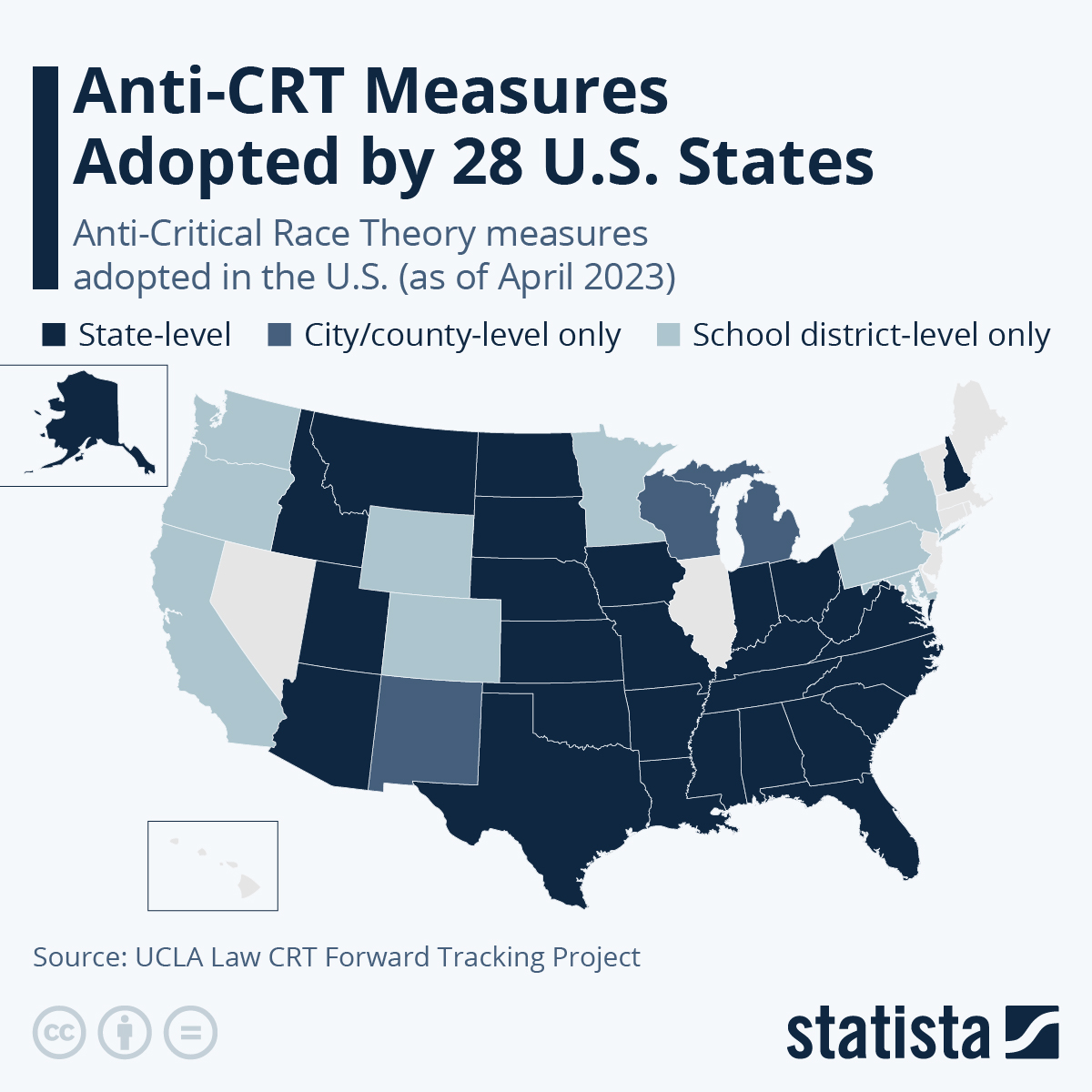
Anti-CRT Measures Adopted by 28 U.S. States

More than half of U.S. states have passed measures against the teaching of critical race theory - for example in schools or government employee trainings. Another dozen have seen successful initiatives on a smaller scale, with single cities, counties or school districts (or both) establishing such laws and directives. This is according to a tracking project at the University of California Los Angeles law school.

Almost all states that haven't yet passed any such measures have seen them proposed on the state level, the exceptions being California, Vermont and Delaware. In California, however, several school districts have already decided to prohibit or limit the teaching of critical race theory, including in Orange county and Paso Robles. A few states with no finalized laws or directives on any level remain: They are Illinois, Nevada, Vermont, Delaware, Maine, Massachusetts, Rhode Island, Connecticut, New Jersey and Hawaii.

The newly released report State of Black America by the National Urban League identifies 567 anti-CRT laws introduced in the U.S. In the opinion of the report, the limitation on CRT are limiting the civil rights of Americans, including Black Americans. Critical Race Theory is a framework that sees race not mainly as a biological factor, but as a social construct and sees racism not only as an individual's biases but as embedded in society.Anti-CRT Measures Adopted by 28 U.S. States

Monday, January 30, 2023

what is your country?

Считаете ли вы свою страну демократической?

Только 46% опрошенных в мае 2022 россиян сказали, что они считают нашу страну демократической - нууу, больше половины жителей нашей страны всё понимают правильно.

Интереснее то, что почти те же цифры во вполне демократических по расхожему мнению и оценкам международных институтов Франции (47%) и даже США (49%)! А в антилидерах в целом - смесь действительно авторитарных стран (Венесуэла и Иран) и стран с как минимум гибридным режимом, типа Греции и Польши

Лидер по доле жителей, считающих свою страну демократической, выглядит ещё "страньше": Китай! 83% его жителей считают, что живут в демократической стране. Во Вьетнаме таких 77%, на Тайване и Филиппинах по 75%. В очевидно свободных и демократических Норвегии и Швейцарии в демократичность собственной страны верят по 74% жителей, в Украине (7 место в мире, между прочим!) - 73%

Очень и очень интересный рейтинг

Tuesday, January 10, 2023

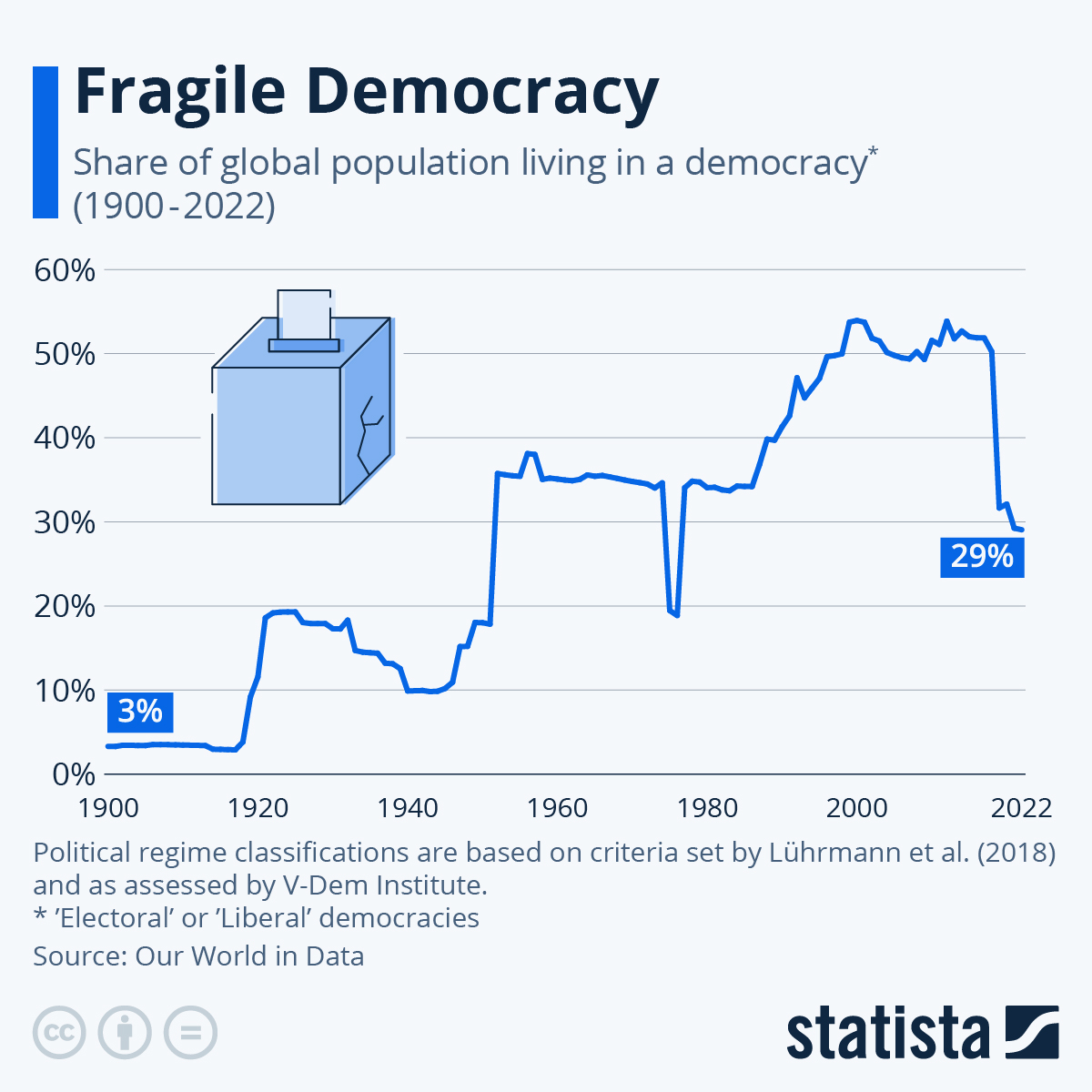
Fragile Democracy

With comparisons to January 6 immediately being drawn, thousands of supporters of Brazil’s far-right former president Jair Bolsonaro forced their way into the country’s congress, presidential palace and supreme court on Sunday. It took roughly three hours for security forces to regain control of the situation, with at least 300 arrests being made. The main motivation behind the riot has been linked to Bolsonaro's followers' refusal to accept the results of October's election, which led to the return to power of leftist Luiz Inácio Lula da Silva.

While democracy has held out in the United States after the Capitol riot and so far in Brazil now too, an analysis collated by Our World in Data highlights how fragile it can be. The share of the world living in either an electoral or liberal democracy was at its highest in the year 2000 when the figure was at 54 percent. As our infographic illustrates, this took a steep dive in 2019, dropping from 50 percent down to just 32. While the fragility of democracy is also plain to see elsewhere in the chart, this is the most dramatic example over the assessed period.

The main cause of this decrease was India and its downgrade by Freedom House to a 'partially free democracy' and to an 'electoral autocracy' by the V-Dem Institute at the University of Gothenburg since Modi's win in the country's 2019 election. The latter downgrade was justified by the alleged "increased pressure on human rights organizations, rising intimidation of academics and journalists, and a spate of bigoted attacks, including lynchings, aimed at Muslims" leading to a "deterioration of political rights and civil liberties".

The rise of democracy has been one of the greatest collective human achievements of the last century, allowing large shares of the world's population to live in relative freedom and have the ability to alter the politics and society of their country. Has this expansion already peaked though?Fragile Democracy

Sunday, November 27, 2022

democracy

Политолог и историк Иван Курилла пишет:

Несколько тезисов (я повторяюсь, я знаю, - но я время от времени возвращаюсь к этим мыслям).


1. Жители России в большинстве своем не знали демократии. В некоторых регионах страны в короткое время в первую половину 1990-х начали формироваться начальные условия и происходила демократическая смена власти (губернаторов и мэров, депутатов Думы и местных законодательных собраний), - но продлилось это недолго, пришлось на самые сложные годы экономического кризиса и, главное, не успело дать результатов. Когда в конце 1990-х и в "нулевые" я наблюдал за тем, как американские политологи изучают с помощью опросов общественного мнения (тогдашний ВЦИОМ, потом Левада) "отношение россиян к демократии", я видел неверно поставленную задачу, - но на эти исследования давали большие гранты. Спрашивать россиян про отношение к тому, чего они не пробовали, про отношение к словам, "пустым означающим" (которые в системе взглядов исследователей означали "демократические ценности") ощущалось как до зубной боли неверное дело. Но мы видим, как те исследования (с выводами про отсутствие демократических ценностей) сегодня аукаются в описаниях российского общества. Даже в документальном фильме, ссылку на который (на интервью автора) я давал вчера, есть этот момент: англичане обнаружили, что к концу 1990-х россияне разочаровались в демократии (и капитализме). Как будто можно разочароваться в том, чего не пробовал. Если для россиянина конца 1990-х слово "демократия" означало тот образ жизни, который он вел в тот момент и то государственное устройство, которое он наблюдал в 1990-е, то разочарование понятно. Но при чем тут демократические ценности?

2. Демократия - это институт смены власти при помощи выборов. Смена власти - это когда имеющий власть ("инкумбент") участвует в выборах, проигрывает их, и уступает рычаги и полномочия победителю. Демократия это НЕ ситуация, когда действующий президент собирает большинство голосов. Это НЕ ситуация, когда на выборах побеждает рекомендованный преемник. Для появления института выборов надо, чтобы хоть раз осуществилась смена власти (и тогда не все гарантировано, - но без такого события демократии не бывает). В России такого события не было ни разу в ее истории.

3. Констатация отсутствия демократии и отсутствия прецедента (и значит института) смены власти в результате выборов делает несправедливыми претензии к ним как к жителям демократий ("сами избрали" - нет, не "сами избрали", даже если голоса считали честно): без прецедента института смены власти голосование не является демократией. Просвещение и рассказ о том, что голосование _может привести_ к демократической смене власти, важно, - но без прецедента рассчитывать на просвещение нельзя, и нельзя возлагать на граждан ответственность за неверие в то, что ранее никогда не работало.

4. Сказанное выше можно прочесть глазами пессимиста, но я предпочитаю другой взгляд. Проблема российского общества не в "антидемократических взглядах" и не в поддержке авторитарного лидера, а в отсутствии каких-либо политических взглядов и в отсутствии массовой поддержки существующих вариантов политической организации или политических программ (а они есть вообще?)

5. Это значит, что то, что происходит с Россией сейчас, плохо, - но не является проявлением ее "авторитарной сущности" или закреплением авторитарных практик, - скорее, работает на их дискредитацию. Демократия как технология смены власти не требует предварительного "воспитания" большинства народа в демократических ценностях. Это институт, механизм, который выглядит привлекательно уже сейчас (потому что теперь есть, с чем сравнивать). Это значит, что у страны есть шансы выкарабкаться уже при жизни нынешних поколений.

Friday, October 14, 2022

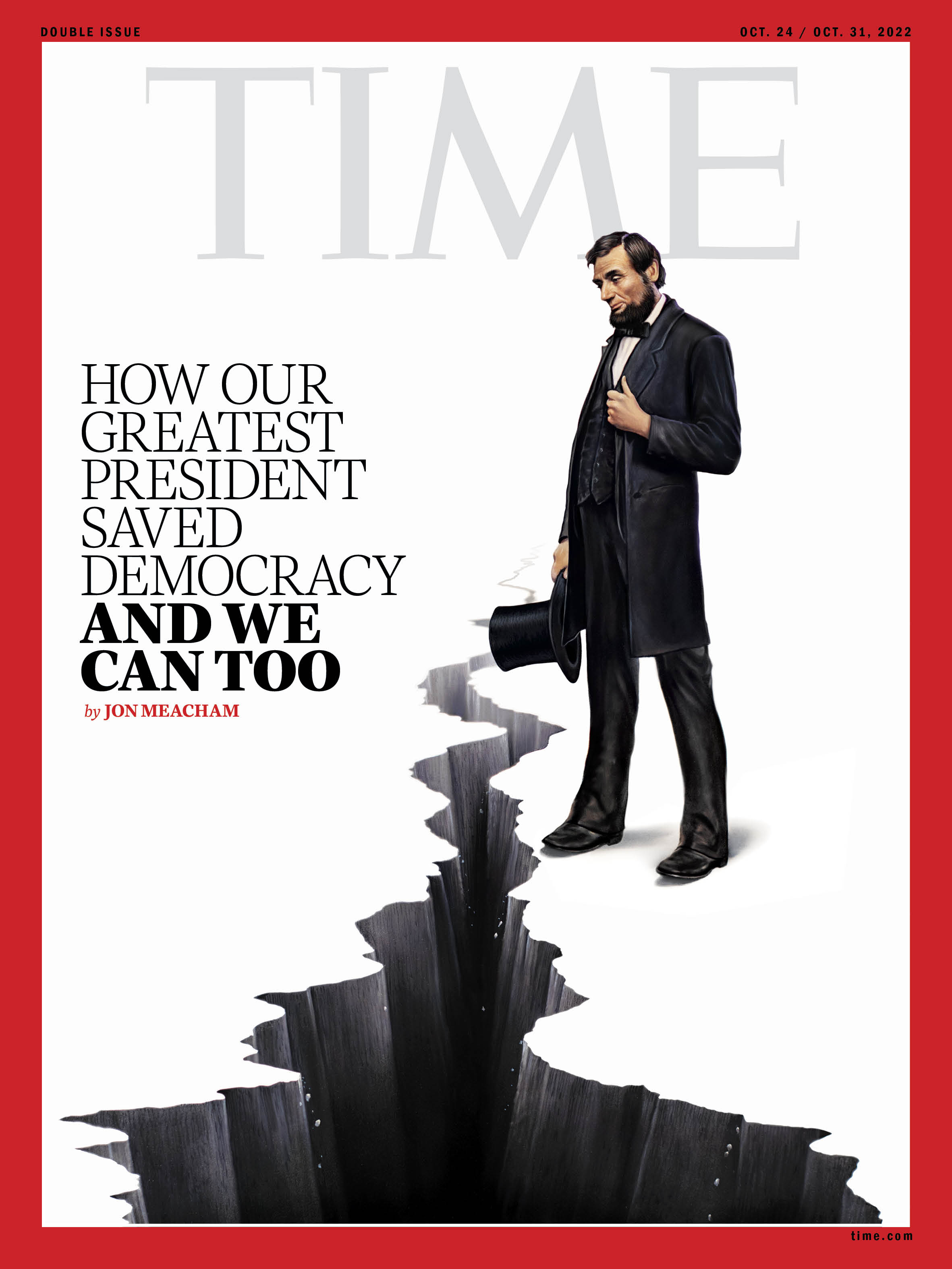
Lincoln Saved American Democracy. We Can Too


BY JON MEACHAM OCTOBER 12, 2022 7:00 AM EDT
Meacham, a Pulitzer Prize-winning biographer and professor at Vanderbilt University, is the author of the new book And There Was Light: Abraham Lincoln and the American Struggle

At noon on Monday, March 4, 1861—a day that observers noted had dawned “cloudy and raw” but turned bright and warm—Abraham Lincoln emerged from the 14th Street NW door of Willard’s Hotel, accompanied by President James Buchanan. The two men rode together in an open carriage up Pennsylvania Avenue, bound for the covered platform that had been erected on the East Front for the presidential Inauguration. Double files of cavalrymen escorted the procession to the Capitol. Cross streets had been closed to secure the route in the event of attack. Sharpshooters were stationed on rooftops along the avenue, “with orders,” an officer recalled, “to watch the windows on the opposite side, and to fire upon them in case any attempt should be made to fire from those windows on the presidential carriage.”

An hour later, hatless and adjusting his eyeglasses, Abraham Lincoln, his Inaugural Address in hand, stood and gazed out across a large audience. Federal artillery was deployed on a nearby hilltop. “Plainly, the central idea of secession, is the essence of anarchy,” the new President said. “Why should there not be a patient confidence in the ultimate justice of the people? Is there any better, or equal hope, in the world? In your hands, my dissatisfied fellow countrymen, and not in mine, is the momentous issue of civil war. The government will not assail you. You can have no conflict, without being yourselves the aggressors. You have no oath registered in Heaven to destroy the government, while I shall have the most solemn one to ‘preserve, protect and defend’ it.”

Hated and hailed, excoriated and revered, Abraham Lincoln served as President of the United States in an existential hour. Other Presidents have been confronted with momentous decisions—of war and peace, of life and death, of freedom and power. Yet it fell to Lincoln to adjudicate whether the nation would, in his phrase, remain “half slave and half free”—and whether the American experiment would survive the treason of a rebellious white South that put its own interests ahead of the Union itself.
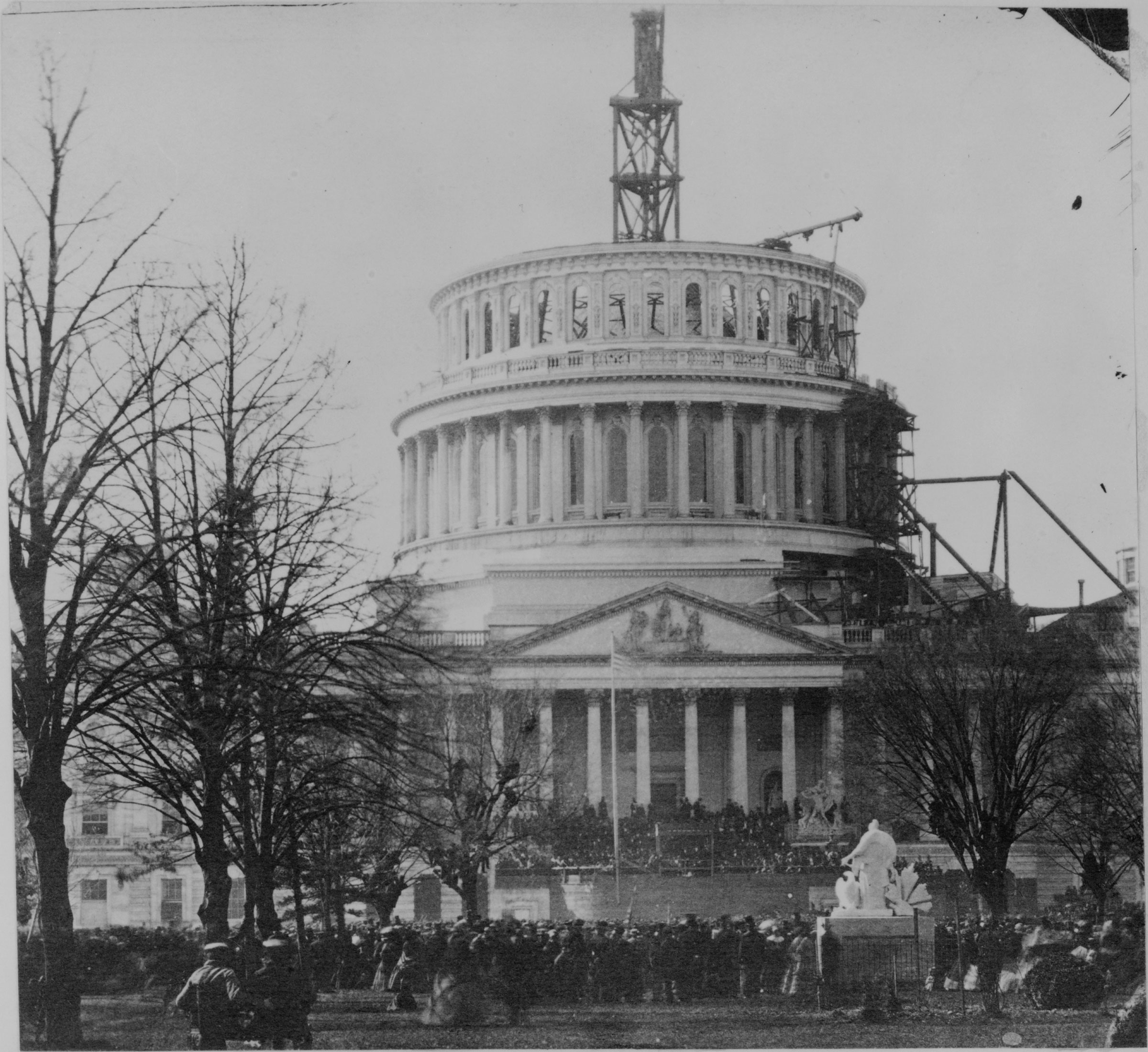
Inauguration of President Lincoln at U.S. Capitol, March 4, 1861.

A President who led a divided country in which an implacable minority gave no quarter in a clash over power, race, identity, money, and faith has much to teach us in our own 21st century moment of profound polarization, passionate disagreement, and differing understandings of reality. Newspaper headlines warn of an impending civil war, and in a recent YouGov­-Economist poll 54% of self-­identified “strong Republicans” thought “a civil war was at least somewhat likely in the next decade.”

Such fears can seem hyperbolic, and the prospect of great armies forming and clashing in the continental U.S. is blessedly remote. Yet honesty compels us to confront this fact: while civil war in the third decade of the 21st century is unlikely—civil chaos, with episodic violence, is already with us—we do ourselves no favors by pretending that somehow everything will just work out. History can inform our struggle over the survival of democratic institutions and, as important, should help us see the imperative of pursuing justice. For while Lincoln cannot be wrenched from the context of his particular times, his story does illuminate the ways and means of politics, the marshaling of power in a democracy, the persistence of racism, and the capacity of conscience to help shape events.

He governed a nation in which a violent and vociferous element was captive to its own visions and controlled by its own interests. “Domestic slavery is the great distinguishing characteristic of the southern states, and is, in fact, the only important institution which they can claim as peculiarly their own,” Abel P. Uphsur, a Virginian who served as Secretary of State under John Tyler, wrote in 1839. White Southerners dreamed of a slave empire headquartered in the American South but stretching to Cuba, to Mexico, to Central and South America. Such a white-­dominated new nation, a Charleston, S.C., newspaper wrote, would ensure slaveholders “a great destiny.”
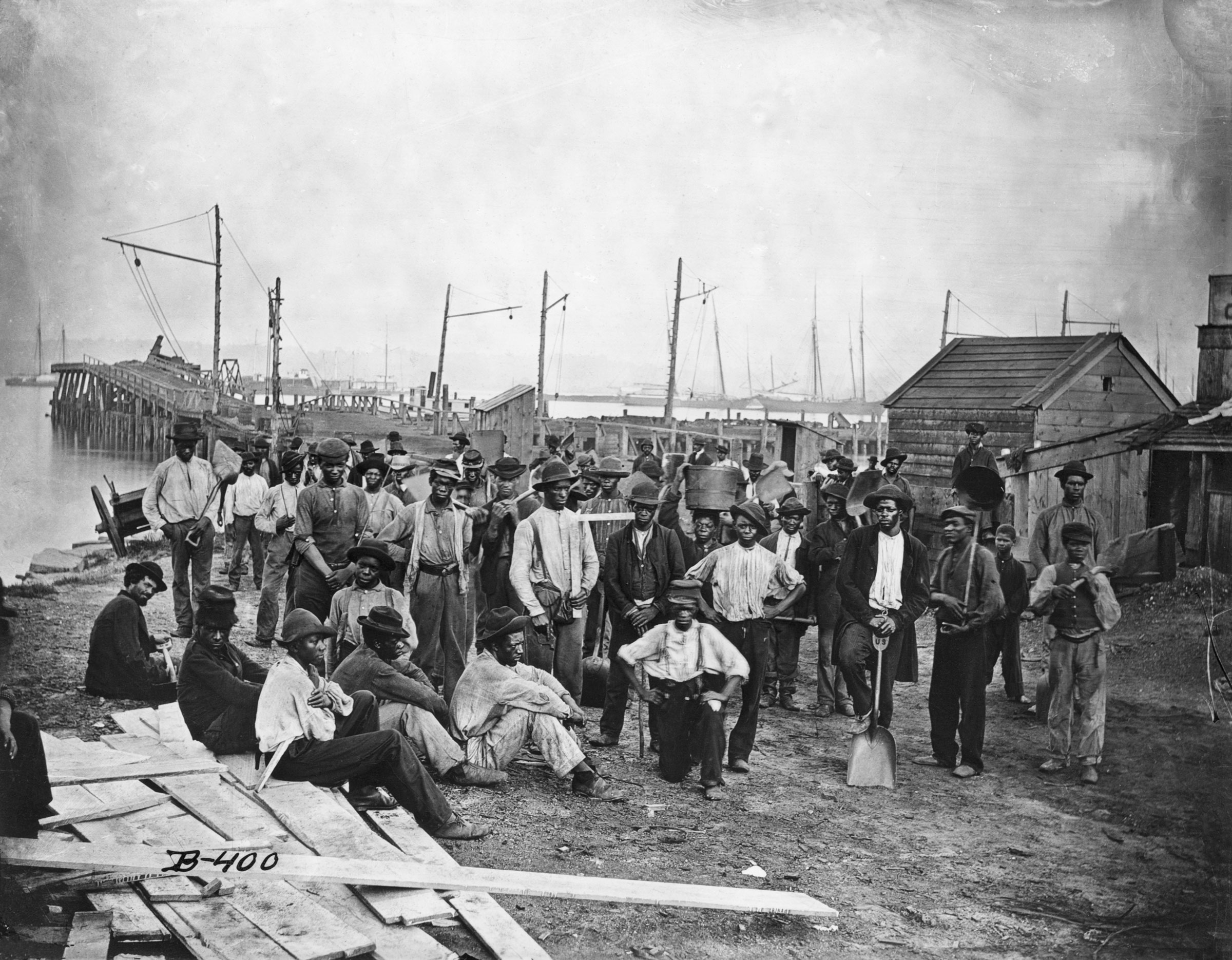
A group of freed African American slaves along a wharf during the United States Civil War.

Lincoln kept the American experiment in self-­government alive when it seemed lost. He did not do so alone. Ordinary people, Black and white, sacrificed to preserve the Union against the designs of the rebel South. But Lincoln was instrumental, and his ultimate vision of the nation—that the country should be free of slavery—was informed by a moral understanding of life. To him, America ought to seek to practice the principles of the Declaration of Independence as fully as possible, for the alternatives were so much worse. What if the constitutional order had failed and the Union permanently divided? A durable oligarchical white Southern slave empire, surely strengthened and possibly expanded, would have emerged from the war; and, as Lincoln saw, the viability of self-government would be in ruins.

Lincoln did not bring about heaven on earth, nor does he stand as a paragon of equality and justice for all. Yet he defended the possibilities of democracy at an hour in which the means of amendment, adjustment, and reform were under prolonged and almost successful assault. Lincoln’s motives were moral as well as political—a reminder that our finest Presidents are those who are committed not only to the pursuit of power but also to bringing a flawed nation closer to justice. Such requires an understanding that politics divorced from conscience is fatal to the American experiment in liberty under law.

This lesson is essential for us in today’s unfolding democratic crisis. The forces of unchecked power are self-­evidently in the ascendant, and they are the controlling element of one of our two major parties. The past is not always prologue, but history suggests that our divisions are as deep as they have been since Lincoln’s time—and thus his experience repays consideration.

When an element within the nation seeks its own power and its own way over and above any other factor, that element must be confronted, or else everything might be lost. In exploring Lincoln’s example we can see how arduous American democracy is, and we can glimpse what must be done to preserve it. An American President must be committed to something larger than his own hold on power. And the American people must be willing to accept the give-and-take of the constitutional order, even when—especially when—events and moral claims call on us to give rather than to take.

Lincoln is often depicted as either a secular saint, the savior of Union, and the Great Emancipator, or as a calculating political creature imprisoned by public opinion and white prejudice. The truth is more complicated. Driven by the convictions that the Union was sacred and that slavery was wrong, Lincoln was instrumental in saving one and in destroying the other.
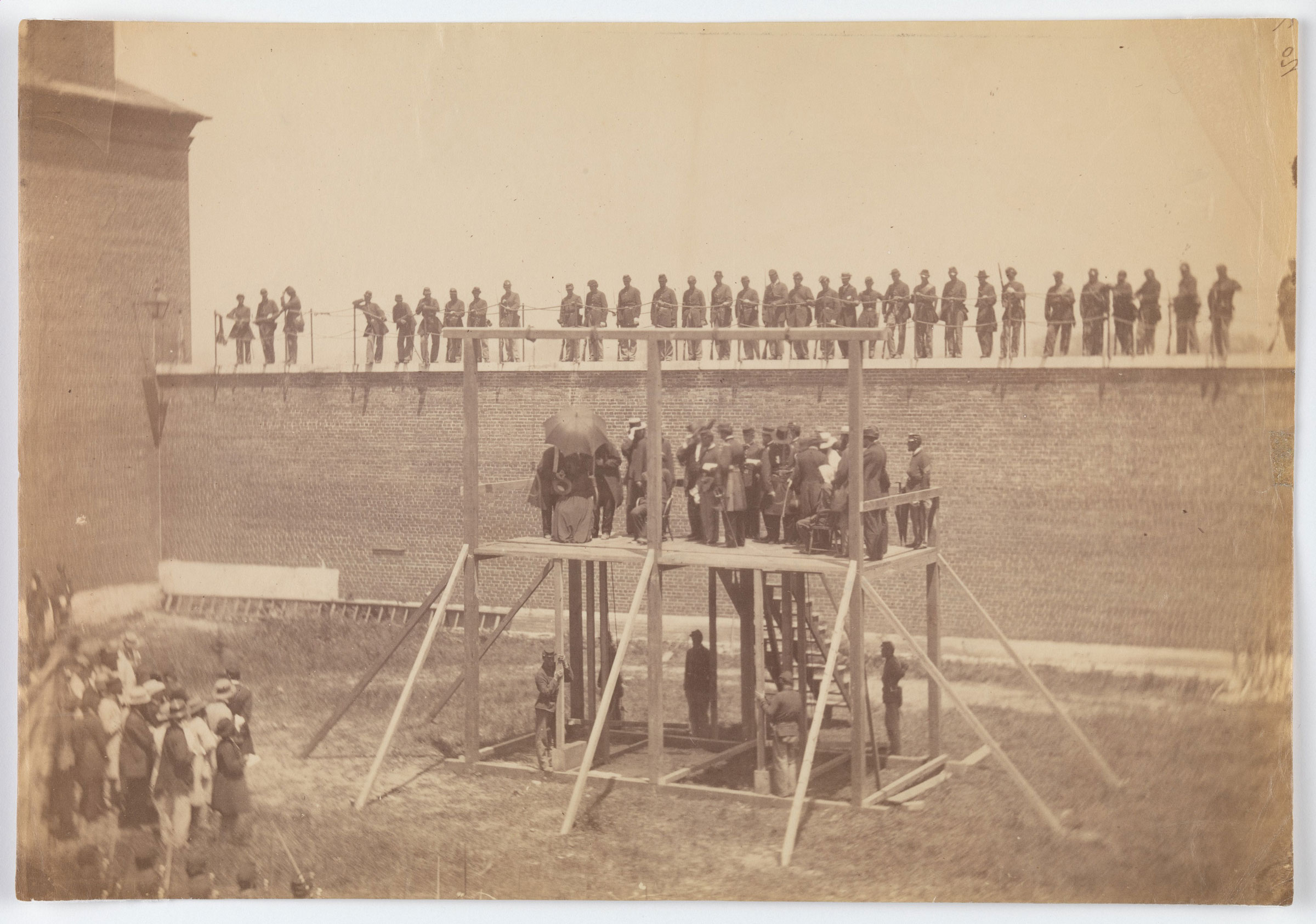
Execution of the conspirators, on July 7, 1865.

A man of power, he ultimately demanded that the nation follow a moral path through the brute physicality of Civil War. His “ancient faith,” Lincoln once said, “teaches me that ‘all men are created equal’ and that there can be no moral right in connection with one man’s making a slave of another.” In common usage, to say something is moral is to say that it is about the degree to which one’s conduct is in harmony with the commandment that one ought to do unto others as we would have them do unto us. From Plato to Kant, the substance of what is known as the Golden Rule—one common to the world’s religious and moral traditions—has occupied philosophers across the ages.

Lincoln’s own sensibility—both moral and political—was founded on this ­injunction. “As I would not be a slave, so I would not be a master,” he once said. “This expresses my idea of democracy.” For Lincoln, a world in which power was all, in which the assertion of a singular will trumped all, in which force dictated all, was not moral but immoral, not democratic but autocratic, not just but unjust.

In the White House, Lincoln defended Black Americans as fellow human beings whose fundamental rights were protected in the Declaration of Independence—hardly the most common of arguments in his time. Yet he sometimes spoke in racist terms, did not immediately press for Black people to be afforded the rights of citizenship enjoyed by white people, and proposed their voluntary removal offshore. And Lincoln portrayed his decision on wartime emancipation as a last resort based on military rather than moral considerations.

This was the pragmatic Lincoln that Frederick Douglass understood. “Viewed from the genuine abolition ground,” he said in 1876, “Mr. Lincoln seemed tardy, cold, dull, and indifferent: but measuring him by the sentiment of his country, a sentiment he was bound as a statesman to consult, he was swift, zealous, radical, and determined.” As Reconstruction gave way to Jim Crow segregation, Douglass’s opinion was less widely shared. “Abraham Lincoln was a Southern poor white … poorly educated and unusually ugly, awkward, ill-dressed … cruel, merciful; peace-­loving, a fighter; despising Negroes and letting them fight and vote; protecting slavery and freeing slaves,” W.E.B. Du Bois wrote in 1922. “He was a man—a big, inconsistent, brave man.”

It is true that Lincoln did not seek immediate abolition; neither was he a radical racial egalitarian. He was, rather, a gradual emancipationist who wanted to compensate slave owners. The antislavery Lincoln was born in, and came to lead, a nation in which anti­-Black prejudice was a fact of life. There was hardly a mighty current of sentiment abroad in the land to emancipate the enslaved and extend citizenship to the newly freed in a Promised Land of racial and civil equality. Yet to depict Lincoln as only a reluctant warrior against slavery fails to do him justice. He did not waver from a morally informed insistence that slavery be put on a path to “ultimate extinction.” He maintained this position to his political detriment throughout the 1850s—he won no major office between a single term in the U.S. House and his election to the presidency in 1860. Vitally, he refused to retreat from his antislavery commitment during the crisis over secession in 1860–61—a time when a purely political man might have done—and he stood by emancipation after 1862, declining to give in to pressure for a negotiated peace with the Confederacy in order to end a devastating war. He campaigned on an abolitionist constitutional amendment in 1864.

Abraham Lincoln, head-and-shoulders portrait, traditionally called "last photograph of Lincoln from life," Feb. 5, 1865.

Anathema to much of the white South and to its allies in the North, Lincoln frustrated abolitionists who were more advanced than he on freedom and ­egalitarianism. He was attacked for defending a Constitution that protected slavery and for fighting to preserve a politics in which ­racial prejudice was a predominant factor. The implication of such criticism was that Lincoln made a fetish of the Union at the expense of pursuing true justice. The problem with such a view, however, is that without Union there could be no freedom for the enslaved. Had Lincoln simply bade the South well and set about creating a separate, free nation, he would have consigned millions of enslaved Black people and their progeny to unrelenting and unrepentant masters. Douglass wrote that he would “prefer the Union even with Slavery than to allow the Slaveholders to go off and set up a Government.” A successful Confederate States of America might well have expanded its reach southward. Thus, after Jan. 1, 1863, Lincoln’s war for Union was simultaneously a war for Union and for emancipation in the seceded states; after congressional passage of the 13th Amendment in early 1865, it became a war for Union and for emancipation for all.

Lincoln understood the magnitude of the issue, and he knew that upon its resolution rested the fate of American democracy, if American democracy was to be the project by which the nation sought to live up to the promise of the Declaration. “Slavery is not a matter of little importance,” Lincoln said in 1858. “It overshadows every other question in which we are interested.” As he confronted the question, he juggled political reality and his own moral convictions—convictions that he hoped the nation would come to share.

The work of a democracy is to lead a sufficient number of individuals to share a moral vision about power, liberty, justice, security, and opportunity in the hope that people—and peoples—might be in closer harmony with the good. As a multitude of individuals, a nation possesses a collective conscience—one that is manifest in how that nation chooses, through the means of politics, to view rights and responsibilities.

In the 1860s, war was required to bend the arc of the moral universe toward justice. That is the great fact of the American story: secessionist white Southerners chose to fight and to die rather than surrender an aristocracy of race. The Civil War, Lincoln told Congress in 1861, “presents to the whole family of man the question whether a constitutional republic, or democracy—a government of the people by the same people—can or cannot maintain its territorial integrity against its own domestic foes.”

The battle of the third decade of the 21st century is, for now, of a different scale. But we have already seen attempted insurrection, and many adherents of one of our two major political parties refuse to accept the legitimacy of the 2020 election, setting the stage for subsequent denials of reality as soon as next month’s midterms. While the Civil War era, therefore, is not a precise analogy, we would be derelict in our duties as citizens if we did not reckon with what Lincoln reckoned with: the often self-sacrificing demands of decency and of democracy.
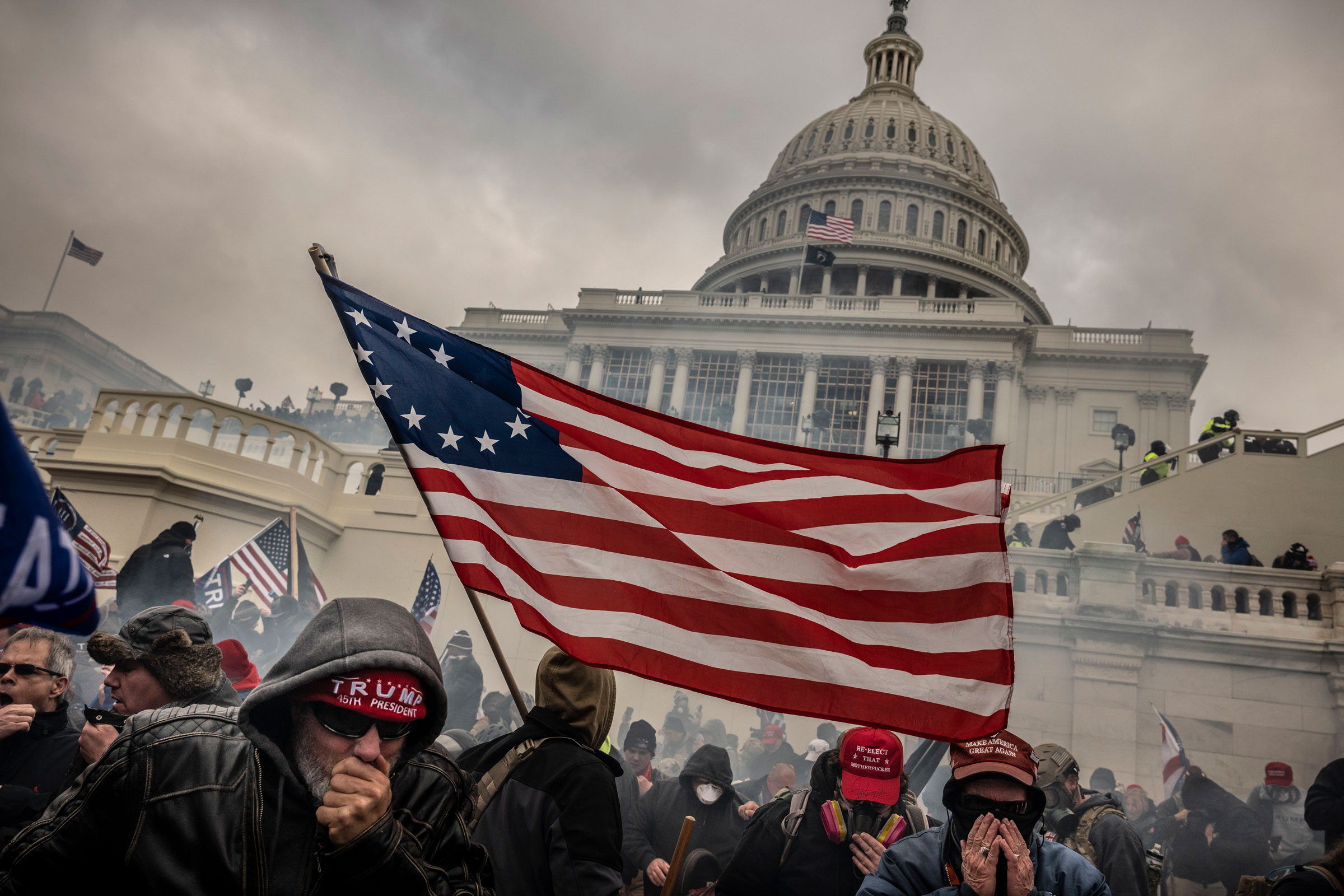
Supporters of President Trump who are trying to overturn the results of the 2020 presidential election clash with police, as the crowd storms up the west side steps of the U.S. Capitol, on Jan. 6, 2021.

On that March Monday in 1861, Lincoln spoke to the ages: “We are not enemies, but friends. We must not be -enemies. Though passion may have strained, it must not break our bonds of affection. The mystic chords of memory, stretching from every battlefield, and patriot grave, to every living heart and hearthstone, all over this broad land, will yet swell the chorus of the Union, when again touched, as surely they will be, by the better angels of our nature.” The words are immortal, as are angels—but Lincoln teaches us even now that those angels will not take up the cause—unless we do too.

Read More: 

Wednesday, September 28, 2022

Is Democracy in Decline?

While it’s true that globally, the citizens of the world enjoy more democratic freedoms than in the past, several indicators seem to suggest that this progress is now under threat. So: is the world becoming less democratic?

One way to approach this question is to look at the evolution of both democratic societies and autocratic regimes around the world. In our chart, we have drawn from the classification and evaluation of political regimes shown by Our World in Data (Lührmann et al. (2018), V-Dem). Here, democracies have been subdivided into two categories, “electoral” and “liberal”. Liberal democracies hold not only free elections but also have equitable laws and processes.

Using this data, we can see that democracy has indeed been on the decline in recent years. After an all-time high in 2016, when there were 97 democracies worldwide (both in terms of liberal and electoral), this figure fell to 89 in 2021. At the same time, the number of autocratic regimes (both electoral and closed) fell from 81 at 88.

The number of people living in democracies has plummeted from 3.9 billion in 2017 to 2.3 billion in 2021. Today, it is estimated that around 70 percent of the world's population lives under autocratic rule.Is Democracy in Decline?

Sunday, June 26, 2022

French constitution

Партия Макрона предложила закрепить право на аборт в Конституции Франции


Социал-либеральная партия «Возрождение» предложила закрепить право на аборт в Конституции Франции и планирует подготовить соответствующий законопроект, сообщает председатель фракции в Национальном собрании Орор Берже

26 ИЮНЯ 2022 14:13

Берже заявила, что законопроект обеспечит граждан правом на добровольное прерывание беременности. Она подчеркнула, что в этом вопросе не стоит рисковать — норму необходимо «начертать на граните» Конституции Франции.

Инициативу поддержала премьер-министр страны Элизабет Борн. Также глава парламентской фракции левой партии «Неподчинившаяся Франция» Матильда Пано сообщила, что в понедельник предложит альянсу «Новый народный экологический и социальный союз» выступить с собственной законодательной инициативой по вопросу закрепления права на аборты в Конституции.

Что еще известно:

По данным France Info, в 2018 году оппозиционные депутаты предлагали включить право на средства контрацепции и аборт во французскую Конституцию, однако экс-министр юстиции Франции Николь Баллубэ тогда указала, что право на аборты во Франции «достаточно гарантированно», и Национальное собрание отклонило инициативу.


Сегодня против абортов, по словам Берже, активно выступают политики «Национального объединения».
Право на аборт в США:

24 июня в США право на аборт перестало быть конституционным. Теперь запрет на прерывание беременности может появиться в 22 штатах.

При это президент США Джо Байден назвал решение «трагической ошибкой» и «реализацией экстремистской идеологии».

Конституция Французской Республики не 200 лет, конечно, но постарше нашей

Thursday, June 16, 2022

The Foreign-Born Congress

Republican Mayra Flores has been called as the winner of a special election in Texas' 34th Congressional District, flipping the seat and making her the first Mexican-born woman ever to be elected to Congress. The health practitioner received significant support from her party, which outspent Democrats 20 to one in the race, according to CNN. The outlet called the campaign "an effort to project growing strength with moderate and conservative Hispanic voters in South Texas." Flores will serve the remainder of the term her predecessor, Democrat Filemon Vela, vacated and would have to run for releection in the midterms this year. Her campaign website describes her as pro-God, pro-life, pro-Second Amendment, pro-law enforcement and pro-border security. According to Rolling Stone and Vice, she has used QAnon-related hashtags in the past.

A report by Pew Research Center shows that those born in Mexico are the biggest group of foreign-born members of the current 117th Congress. It includes three more Representatives who are naturalized citizens from Mexico: Jesús G. "Chuy" García (D-IL), Raul Ruiz (D-CA) and Salud Ortiz Carbajal (D-CA). The report excludes those members who were born abroad to American parents.

According to Wikipedia, there have been some naturalized U.S. citizens from Mexico in former Congresses as well, including one Senator, but all had been men.

The second-biggest group of current foreign-born members of Congress are immigrants from South Korea. Two more immigrant Representative each hail from Cuba and India, the latter including Pramila Jayapal (D-WA). The lone naturalized Senator, Mazie Keiko Hirono of Hawaii, was born in Japan. The member of Congress born in Somalia is Ilhan Omar (D-MN).

Current members of Congress who were born abroad to American parents are actually almost as numerous as those who were naturalized. They include Senator Michael Bennet of Colorado, who was born in India while his parents were posted with the State Department, Senator Tammy Duckworth of Illinois, who was born to an American serviceman and a Thai mother in Bangkok, Thailand, as well as Senator Ted Cruz of Texas, who was born in Canada to an American mother and and a Cuban father, and Rep. Dan Crenshaw (R-TX), who is the child of American parents working abroad in Scotland at the time of his birth. Considering former members of Congress and former cabinet members, the most prominent foreign-born examples are former Senator and presidential candidate John McCain, who was born in Panama (then the Panama Canal Zone) to American parents stationed with the U.S. Navy and former Secretary of State Madeleine Albright, who was born Marie Jana Korbelová in Czechoslovakia before emigrating to the U.S. with her parents and becoming a naturalized citizen around the age of 20.The Foreign-Born Congress

Tuesday, May 3, 2022

This day is non-working

Этот день является нерабочим, но в Польше, в РБ, по-моему, рабочий. Интересно: как в Литве (вроде выходной, не взирая на традиции дружбы и W).

3 мая
1791 года была принята первая конституция современной Европы и вторая в мире после американской. Третьей была Конституция Франции. Конституция была принята Великим Сеймом, который был созван в октябре 1788.
Konstytucja 3 Maja

Tuesday, March 8, 2022

conservatism in an ancient Russia

КОНСЕРВАТОРЫ АЛЕКСАНДРОВСКОЙ ЭПОХИ. 

Мартин А. Романтики, реформаторы...


Тесля А.А. КОНСЕРВАТОРЫ АЛЕКСАНДРОВСКОЙ ЭПОХИ. Рец.: Мартин А. Романтики, реформаторы, реакционеры: Русская консервативная мысль и политика в царствование Александра I / Пер. с англ. Л.Н. Высоцкого; ред. М.С. Белоусов. – СПб.: Academic Studies Press / Библиороссика, 2021. – 447 с. – (серия «Современная западная русистика» = «Contemporary Western Rusistika»).

Автор рецензии – Тесля Андрей Александрович, кандидат философских наук, старший научный сотрудник, научный руководитель (директор) Центра исследований русской мысли Института гуманитарных наук Балтийского федерального университета имени Иммануила Канта (Калининград); E-mail: mestr81@gmail.com

Прежде всего следует заметить, что хотя оригинальное издание работы Александра Мартина вышло еще в 1997 г., однако появление ее русского перевода – не является избыточным: за прошедшую четверть века с момента английского издания появилось немного работ, пытающихся дать более или менее целостный обзор русской консервативной мысли первой четверти XIX века – и для читателя, пытающегося составить общее представление о русском консерватизме александровской эпохи, выбор невелик.

Важно и то, что Мартин рассматривает консервативные идеи этого времени не только в европейском контексте – но и, прежде всего, понимая консерватизм как модерный феномен – и часть круга именно новых идей и политических представлений. Так, Мартин показывает, что в России, «как и в других странах,консерватизм и радикализм возникли в результате глубоких, отнюдь не политических по своей сути течений, следовавших по линиям разлома, которые образовались в культуре и мироощущении европейцев; как якобинцы, так и консерваторы использовали новые идеи в своих интересах» (15). [в круглых скобках, скорее всего, ссылки на книжку, страницы]

Консерваторы и радикалы оказываются не только частями одного общего движения – но и, что намного важнее, оперируют одними и теми же образами, создают и/или воспринимают сходные практики. Формирование публичной сферы «способствовало развитию русского консерватизма и, по сути, сформировало его» (15). Консерваторы александровской эпохи не только предстают разнородными и разнообразными – но и одновременно, именно как идеологи, оказываются по определению в достаточносложных отношениях с существующим государственным порядком, поскольку – даже в тех случаях, где противостоят верховной власти в ее планах перемен – производят/опираются на новую социальную реальность. Так, «Беседа…» Шишкова предстает интересным совмещением старого и нового – поскольку является организацией, созданной для распространения идей (как и Российское библейское общество), возникающим «третьим» – «осторожный шаг от мира, полностью разделенного на частную и официальнуюсферы, к гражданскому обществу, в котором политика реализуется посредством независимых структурированных организаций, не основанных ни на родстве, ни на покровительстве» (210). И при этом она же воплощает идеал единой иерархии, без разделения на автономные сферы («мир литературы», «мир государственной службы») – то, что подвергается насмешкам сторонников «нового слога», находящих комичным это разделение по чинам и летам, где государственные посты означают и место в литературном собрании (212).

Стурдза, уже после Венского конгресса, будет пытаться предложить альтернативу порядку Меттерниха и Талейрана – выстраивая своеобразный идеал политического устройства, строго контролирующего религиозную область, устанавливающего духовный порядок – и потому допускающего политическую свободу. Мартин описывает эту мысль как перевернутый «просвещенный абсолютизм»: Вместо того, чтобы предоставлять религиозную и интеллектуальную свободу обществу, чья жизнь регламентирована “регулярным” государством, он предпочел предоставить обществу право управлять своей жизнью, если оно подчиняется регламенту церкви» (342).

Вслед за Альтшулером (2007) [это не страница, но понятно] Мартин показывает, что различие в споре о «старом» и «новом слоге» - если не целиком, то во многом различие в темпоральных ориентациях: «“старый слог” зародился всего за несколько десятилетий до этого <…>, этот стиль [т.е. Шишкова и его сторонников – А.Т.] черпал вдохновение в воображаемой реальности прошлого и за счет нее пытался утвердиться, а “новый слог” заявлял о себе как о языке будущего, порывающем с традициями» , «историческая реальность сама по себе не имела особого значения – важна была эмоциональная и идеологическая идентификация с прошлым – или отвержение его – в зависимости от позиции, занимаемой к культурным ценностям современности» (57).

Мартин акцентирует поколенческую разницу – как один из значимых моментов, обусловливающих мировоззренческие различия Шишкова и его круга, с одной стороны, и таких авторов, как Ростопчин и Карамзин. Шишков сложился и достиг высоких мест в государственной иерархии еще при «старом порядке», он для него выступал не идиллическим прошлым – а нормой, естественным порядком вещей – прочность которого не поставлена под сомнение, который разрушается в силу целенаправленных воздействий, порочных идей и т.п., не неся в себе самом проблемы. Напротив, для Ростопчина, например,крепостной порядок – то, что требует оправдания, вызывает неуютность мысли, всячески изощряющейся, чтобы то ли доказать, что крепостная зависимость есть благо для крепостных, то ли, что сама идея «свободы» является ложной, то ли что крепостничество – есть зло, но зло меньшее, в сравнении с другими. Для Карамзина нет континуитета русской истории от древности и до Екатерины – если для «старовера» (по выражению Вяземского) Шишкова XVIII век, Ломоносов и Державин – это и продолжение, и следование все той же старине, то для Карамзина XVIII век выступает и веком славы, и вместе с тем держащимся именно за счет того, что различие между образованными, европеизированными слоями, «обществом», и народом – не зашло слишком далеко.

Другой значимый сюжет, который выделяет Мартин – в объяснение своеобразного полу-разрыва между разнообразием подходов 1800–10-х годов и наступающим «затишьем» в сфере политических дебатов в 1820–30-е годы со стороны «консерваторов» - заключается в неопределенности самого положения и направления действий правительства. Формулировка разнородных позиций, явные или скрытые дебаты – оспаривание не только тех или иных действий властей, но и проблематизация всего правительственного курса – связаны не только с процессами формирования общественного пространства, но и с тем, что сама политика государства далека от определенности, верховная власть движется в поле альтернатив – и в этом плане выдвигаемые идеи и подходы выступают в том числе и определенными предложениями политического курса, от антикизирующего патриотизма Глинки, оказывающегося востребованным в 1812 году, до христианского политического порядка, который пытается сформулировать во 2-й половине 1810-х Стурдза. Возможности, не только предоставляемые публичной сферой – но во многом создание последней. Но в 1820-е «концепции, лежавшие в основе александровского консерватизма, утратили смысл» - а в 1830-е и 40-е споры уйдут в область не-политического, чтобы затем, на следующем ходе, уже войти вновь в пространство политического – с новыми смыслами и значениями, в том числе переходя из салонов и обществ – в журналы.

по ссылке больше список цитирования и ссылок

Thursday, February 17, 2022

A new attitude toward the pandemic seems to be taking shape

But we’ve been here before.


Andrew Markert, 39, is pictured in Newland, a soon-to-be-opened restaurant in D.C. that is named after the street that he grew up on in Baltimore. (Sarah L. Voisin/The Washington Post)

By Lenny Bernstein, Marisa Iati, Paulina Firozi and Brittany Shammas

Andrew Markert respects the coronavirus. It has messed with his livelihood, a D.C. pub called Beuchert’s Saloon, forcing him to close, move outdoors and adjust in countless other ways.

But the time has arrived for him to move forward and stick to his plans, come what may in the next round of the pandemic. And he’s betting there are a lot of people like him.

So Markert plans to open not one, but two new restaurants in the next couple of months — Fight Club, a few doors down from Beuchert’s, in February and the upscale Newland around the corner in April.

“I’m cautiously optimistic that we’re at the end of it,” he said as workers scraped and primed Fight Club’s interior last week. “I’m mentally over it, but physically still cautious.”

Fatigued, frustrated, and frazzled by five surges over two years, some parts of the U.S. population have decided to simply live with the coronavirus and move on. And with a triple-shot of vaccine onboard — or protection acquired from prior infection — alongside case numbers falling precipitously, polls show their numbers are increasing.

The Atlantic last month declared some of them the “Vaxxed and done,” and Time magazine this week is exploring “How Covid Ends,” its cover a hopeful portrait of the spiky red virus fading to black.

Some municipalities and schools are shedding mask requirements. Elected officials no longer even talk about conquering the virus, as President Biden did just seven months ago, in the short-lived glow of the vaccine rollout. A bipartisan group of governors told Biden last week at the White House it is time to “move away from the pandemic,” in the words of Arkansas Gov. Asa Hutchinson (R).

“People are striving for a more normal life,” Hutchinson told reporters.

In Seattle, Joe Inglish, 30, isn’t throwing all caution to the wind. He said he’s still avoiding indoor dining and limiting unmasked, indoor gatherings with friends. But as soon as he was vaccinated in March, Inglish was ready to return to attending the concerts he had missed since the pandemic began.

Inglish attended 27 shows in 2019 and none in 2020, a major lifestyle shift. He knows that returning could expose him to covid-19. But with a KN95 mask, he said he feels relatively protected, and he’s no longer willing to give up something so important to him.

“Given all the other precautions I’ve taken,” he said, “I’m allowing myself this one minor risk.”

In a January Monmouth poll, 28 percent of Americans said the country would “never” get the outbreak under control and return to normal — up from 9 percent in March 2021.

An Axios/Ipsos poll taken about the same time found that 61 percent believe the vaccine allowed them to return to something like their pre-covid routine. And a KFF poll found that 77 percent of Americans believe most people will inevitably develop covid-19 anyway, a sentiment that crosses party lines.
Fight Club co-owner, Andrew Markert, front, and Bart Hutchins walk through the restaurant as workers are preparing to paint. (Sarah L. Voisin/The Washington Post)

Polling during the pandemic is volatile, as Ariel Edwards-Levy, a polling and elections analytics editor at CNN has pointed out, since it tends to reflect the state of the pandemic at the moment. But experts said we should not be surprised if these sentiments are growing.

Most people are averse to uncertainty, said Maurice Schweitzer, a behavioral scientist, and professor at the Wharton School of the University of Pennsylvania, and the past two years have seen nothing else. Many people are beyond exhausted.

“We’d like to be done,” Schweitzer said. “The problem is, it’s a virus. It’s not getting tired.”

Omicron broke through our vaccines. How can we adapt?


People realize that “if I keep waiting for the right time, it would be a long wait,” Schweitzer said. “If you’re starting a business or starting a family … you might think, ‘Well let’s do it now, let’s move forward.’” Others arrived at this point long ago.

Of course, we’ve been here before. Several times.

“Today, while the virus hasn’t been vanquished, we know this: It no longer controls our lives. It no longer paralyzes our nation. And it’s within our power to make sure it never does again,” Biden said on July 4.

“It’s going to disappear. One day — it’s like a miracle — it will disappear,” President Donald Trump said on Feb. 27, 2020. “And from our shores, we — you know, it could get worse before it gets better. It could maybe go away. We’ll see what happens. Nobody really knows.”

Today we do know: Predictions of the virus’s demise have been wrong every time. Most experts have given up trying. We are just one variant away from going through it all over again.

Even as case numbers are plummeting, they are still at staggering, record levels for the entire pandemic — a seven-day average of over 300,000 on Sunday, according to data tracked by The Washington Post. The daily death toll has surpassed the total in every other wave but last winter’s. The U.S. death total has reached 900,000.

Only 64 percent of the U.S. population is fully vaccinated, and the proportion that has received booster shots lags well behind that. Children under 5 are not yet able to be vaccinated at all, though the shots could be available by the end of the month.

The same polls that show people exhausted by the pandemic also reveal that many are more worried about infection during the omicron surge than they were during some previous waves.

Kim Hauriel of Naples, Fla., is flummoxed by those who argue it’s time to get back to normal. Two years into the pandemic, the 51-year-old, her husband, and children remain extremely cautious about covid, even after being vaccinated.

They have not gone out to eat, considering even outdoor dining to carry too great a risk. They avoid gatherings of all sizes. And they always wear masks — N95s for Hauriel and her husband and KF94s for the kids.

“It’s not that difficult to lift your pinkie finger and just put on a mask, be a little safer, avoid unnecessary gatherings or have them more safely outdoors, still masked,” she said. “It’s difficult to relate. I’m not giving up.”

Hauriel said she worries about the risk of long covid and the chance of spreading the virus to the vulnerable. And she doesn’t want to take up a hospital bed “just for being careless.”

Once people move on, it will be even more difficult to reverse course if another surge occurs. When Colorado Gov. Jared Polis (D) said in December that “the emergency is over,” because of the widespread availability of vaccines, Colorado Medical Society President Mark Johnson pushed back.

“I think the governor speaks for probably 70 percent of people who say, ‘I’m through with this.’” But hospitals are still seeing an overwhelming number of patients, and although most made the choice not to get vaccinated, health-care workers “don’t have that luxury of saying, ‘It’s your own fault; let’s move on,” he said Thursday.

People respond differently to the stress of the pandemic, said Todd Farchione, a clinical psychologist and associate professor at Boston University. Some may feel comforted by restrictions and mandates and others may be feeling “done” with the pandemic, he said.

“Then there’s everything in between,” he said. In any risk assessment, a person may consider, “‘what are the real risks here relative to what’s important to me in my life, and what I need in terms of caring for and being there for friends and family, being part of life?”

Markert’s step forward came by chance when two spaces for new restaurants opened unexpectedly last year just a few steps from Beuchert’s. He wasn’t looking to expand in the middle of an unpredictable pandemic. But he also didn’t want to let the prolonged upheaval stand in his way.

“What it comes down to is an opportunity,” he said. “The opportunity was there and it’s not every day you get a chance to open a restaurant four doors or five doors down from your current restaurant. … And obviously, when we started going down this path, omicron wasn’t even a thing. Cases were dropping. Delta variant wasn’t that prominent in the area.”

“Just sort of exhausted by it,” added Bart Hutchins, chef and co-owner of Fight Club, “and hoping that we’re at the tail end of it.”

Kevin Volpp, director of the Center for Health Incentives and Behavioral Economics at the University of Pennsylvania, noted that before the omicron wave, some workplaces were encouraging employees to return to pre-pandemic in-office work schedules.

“It’s a little bit like riding a roller coaster and everyone is wondering: Are we going to be going up or are we going to be going down?” Volpp said. “Omicron kind of threw everything out of the window at least temporarily. But things are starting to recalibrate — people are starting to make plans again.”

Unless a new variant arrives, current conditions are “leading to an opening up again in a way that I think will probably continue to evolve steadily in the coming weeks,” he said. “I feel like people collectively have been carrying around this huge burden of worrying about covid, and it affects their lives, their performance in lots of ways. People are really worn out by that.”

Мне кажется: я спокойно переношу, но, я — домосед. Рвущихся гулять не понимаю.