Showing posts with label Афганистан. Show all posts

Sunday, January 12, 2025

afghani stan

Военно-статистическія свѣдѣнія по Афганистану


город Мейнем (Современное название неизвестно, но на севере, возможно Кундуз)
Военная Типографія ИМПЕРАТРИЦЫ ЕКАТЕРИНЫ ВЕЛИКОЙ (въ зданіи Главнаго Штаба). 1914
Военно-статистическія свѣдѣнія по Афганистану. 

Свѣдѣнія о г. Мейменe и его гарнизонѣ за 1910 годъ.

Wednesday, December 7, 2022

Afghans' Views on International Leadership

It’s been over a year since the United States withdrew its military from Afghanistan. A recent survey conducted by Gallup has captured a snapshot of the sentiments of residents on the ground. Conducted through face-to-face interviews in Dari and Pashto, a random sample of 1,000 adults were spoken to in Afghanistan between July 20 and August 27, 2022.

When asked about the job performance of the leadership of a number of different foreign governments, approval ratings were low overall. Less than one in five respondents approved of the U.S. government’s leadership. This is up 4 percentage points from one year ago, when it hit a record low. Germany, also involved in the withdrawal, saw equally low ratings of 18 percent, with a fall of 7 percentage points from one year prior. Meanwhile China, the main trading partner to engage in trade with the Taliban alongside Pakistan, also saw a fall in approval, dropping by 7 percentage points to only 14 percent.

By comparison, the Islamic countries Saudi Arabia and neighboring Iran, had higher ratings as of August, at 40 percent and 25 percent approval, respectively. Since the question was not asked in these countries in 2021, we do not know if this has increased or decreased since the time of the withdrawal.

In the most recent series of surveys conducted by Gallup, Afghans rated their lives worse than any population has since the first publication of the World Poll. Gallup writer Jay Loschky explains: “Afghans didn’t always view the leadership of other countries unfavorably, but they now find themselves in a seemingly hopeless situation and failed by the international community.”

It is important to note here this chart’s limitations in so far that the data hides details such as the disparities in approval ratings between different ethnic communities within Afghanistan. For instance, where 53 percent of ethnic Hazaras approved of the U.S., only 8 percent of Pashtuns stated the same.Afghans' Views on International Leadership

Thursday, September 8, 2022

The Cost of Taking Away Girls’ Education

It’s been just over one year since the Taliban took control of Kabul and reinstated laws that have restricted the rights of women, including stopping girls over the age of 12 from going to school. While the cost to individuals’ freedoms and livelihoods are immense, so are the financial implications for the country as a whole.

UNICEF has released estimates that the country will lose a $5.4 billion contribution to its economy as a result of stopping girls from attending secondary education in Afghanistan. That’s the equivalent to 2.5 percent of the country’s GDP. The UN body warns that by preventing young women from completing their studies and entering the job market, the government is cutting down the future working population.

According to the latest report, each year of education amounts to an increased salary of 3.9 percent. This rises to an increase of 4.7 percent for those who have completed tertiary education.

The Taliban government has said that the school closures are only “temporary”, while a new rollout plan in line with Islamic law and Afghan culture is decided, as reported by the government’s Bakhtar News Agency. Schools briefly opened again in March 2022, but it was short lived, as they shut their doors once more just a few hours later, backtracking on the decision.

The country hit lows of only six percent of girls being enrolled in secondary education when the Taliban last took control of Kabul between 1996 and 2001, according to the World Bank. In the nearly two decades since, this figure steadily grew to reach around 40 percent in 2018. The administration has said that this time round, girls and women will have opportunities for education and employment, albeit with female and male students segregated.

Despite the restrictions, some students are finding ways to continue their studies. According to a report by The Telegraph, some 300 secret schools are reported as operating within the country, serving thousands of girls.The Cost of Taking Away Girls’ Education

Wednesday, August 25, 2021

Who Bears Responsibility For the Taliban Takeover?

A poll by CBS and YouGov shows that most Americans think the Afghan government and army carry a great share of the responsibility for the Taliban takeover, but many survey participants also put considerable blame on Presidents Biden and Trump.

A quarter of Americans believe that former President Donald Trump carries a lot of the responsibility for Afghanistan falling back to the Taliban before the withdrawal of U.S. troops was even complete. In February 2020, Trump and the Taliban had signed an agreement to withdraw all U.S. and NATO troops in 2021. Current President Joe Biden, who followed through with the commitment, was seen as having a lot of responsibility for the developments in Afghanistan by 36 percent of respondents, signaling that a good amount of people believe he shouldn’t have heeded his predecessor’s pledge.

In total, 86 percent and 72 percent of respondents said that Biden and Trump, respectively, carried any of the blame for the Taliban takeover.

Only 37 percent of survey participants said that they disapproved of the 2021 U.S. withdrawal from Afghanistan - out of these, 55 percent said that troops should have stayed, while 70 percent said that the removal should have been handled better. Furthermore, 67 percent believed Joe Biden has no clear plan for evacuating American civilians from the country. 81 percent of respondents said interpreters and other local employees of the U.S. military and government should be aided in coming to the U.S.Infographic: Who Bears Responsibility For the Taliban Takeover? | Statista
имхо: опшенов на самом деле побольше будет

Saturday, March 14, 2020

The US War In Afghanistan

After 18 years, America's longest war might be coming to an end. The United States and the Taliban signed a deal in Doha on Saturday which is expected to end the conflict in Afghanistan, though the agreement remains fragile and was made without the involvement of the Afghan government. The U.S. and its NATO allies will withdraw all troops within 14 months if the Taliban uphold their side of the deal. For the Taliban, that involves agreeing to prevent al-Qaeda and other militant groups from operating in areas under their control.

U.S. troop numbers peaked between 2010 and 2012 when over 100,000 were in Afghanistan and the current number stands at about 12,000. Over the course of the war, 2,309 U.S. service members lost their lives while another 20,662 were wounded. It is estimated that the war has cost U.S. taxpayers $2 trillion which was spent on military operations, training Afghan security forces, economic development, reconstruction, and counternarcotics. That could eventually rise considerably in the future, according to experts, primarily due to medical and disability care for veterans.

Afghan security forces have experienced a far greater toll with a November 2019 estimate from Brown University claiming that just over 64,000 members of the military and national police were killed during the war, in addition to 42,000 civilians. The civilian toll has been rising amid a surge in coalition bombing since Trump took office. Some 58,602 bombs were dropped on Afghanistan since 2001 (the statistics were first compiled in 2006) and 2019 was the latest record year for the number of munitions dropped. Last summer, the UN announced that Afghan and U.S. forces killed more civilians in the first half of the year than militants.

One of the most poignant statistics about the conflict comes from the Long War Journal who maintains a map of the districts under government and Taliban control. The government currently controls 133 of the country's nearly 400 districts or 33 percent. The Taliban is in full control of 74, or 19 percent. The remaining 190 or 48 percent are contested.
Infographic: Key Numbers Behind The War In Afghanistan | Statista

Sunday, May 12, 2019

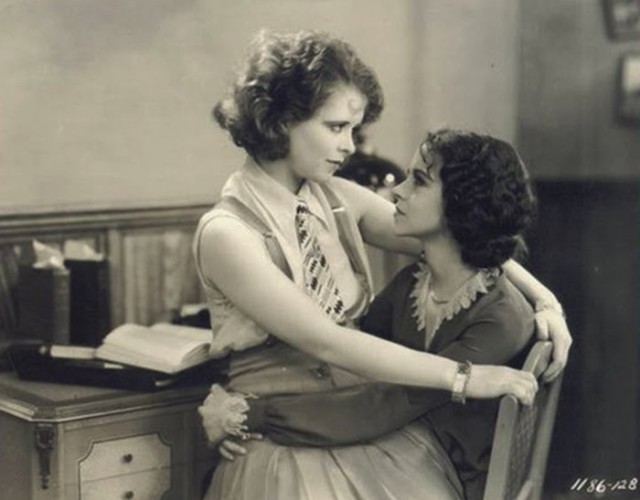
Tomboyism of Bacha Posh

More Than Words: Tomboys R Us

Female Masculinity and Power Relation in Patriarchic System: Case Study Tomboyism of Bacha Posh in Afghanistan

By Made Fitri Maya Padmi

The biological/essentialist theory of gender assumes that biological sexes determine the behavior patterns and roles of males and associates them with masculinity and females and associates them with femininity. However, there is debate to determine whether genders are biological or socially and culturally constructed. Feminist critique of the  power relation between masculinity and femininity defined as the power to give privilege to the position of masculinity and men, and acknowledge the subordination of femininity and women. People also guided to conform to gender norms in society as identity. Female masculinity emerged as part of a resistance to the gender norms where females should adopt and perform feminine values and ways of life. This paper analyze the position of female masculinity, which is distinct from masculinity in patriarchic systems. This paper also analyze the early stage of female masculinity, tomboyism called Bacha Posh as experienced by many girls in Afghanistan. This paper showed to us that the  phenomena of Bacha Posh reflect the gender trait was not flexible. It was decided by the need to fulfill patriarchy system in Afghan society.

Nation State: Journal of International Studies, 2018.

Sunday, March 30, 2014

Russian history has warned

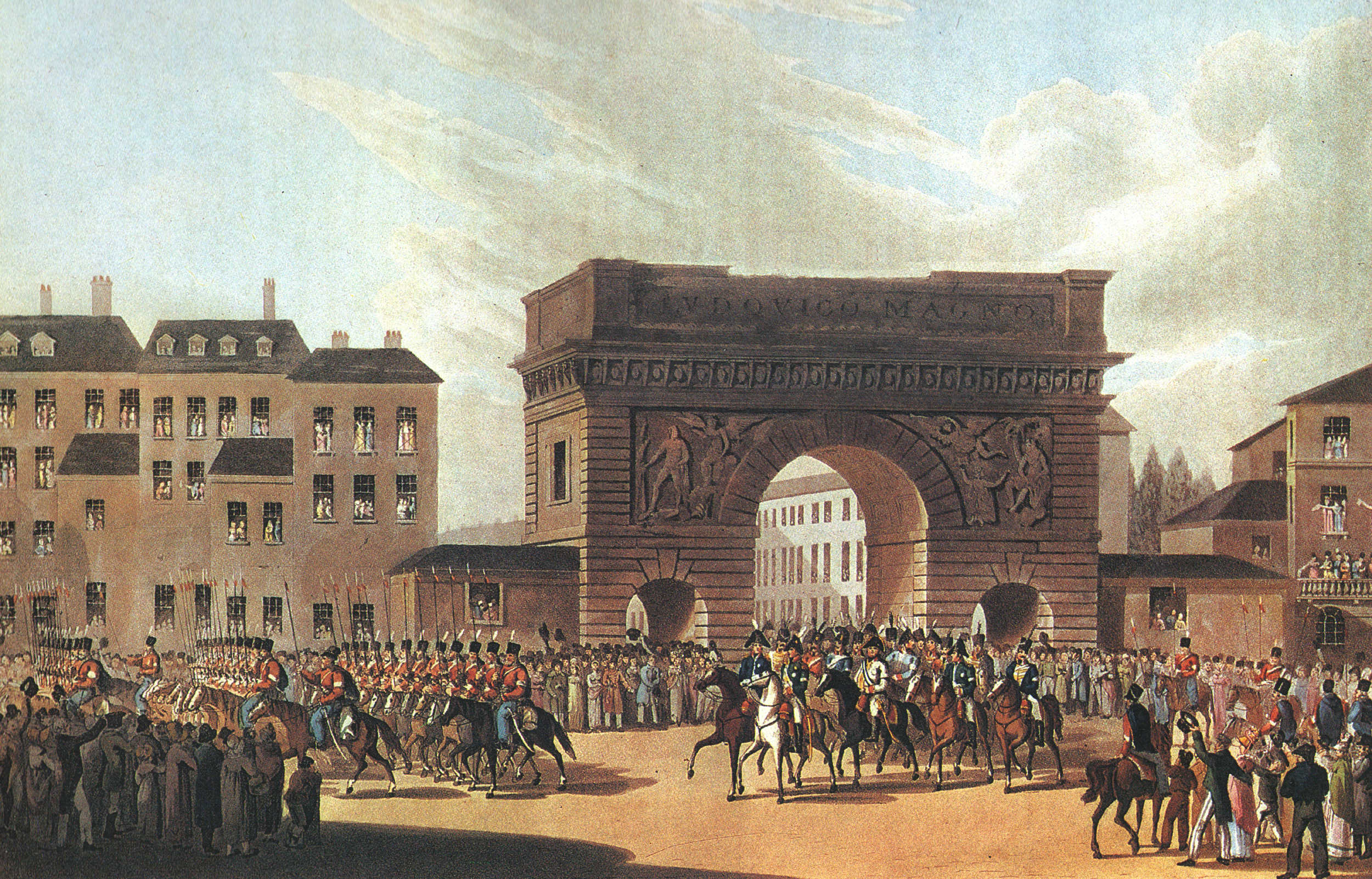
30 марта (18 марта по ст. стилю) 1814 года союзные армии фельдмаршалов Блюхера и Шварценберга (главным образом русские корпуса) атаковали и после ожесточённых боёв захватили подступы к Парижу. Столица Франции капитулировала на следующий день, прежде чем Наполеон успел перебросить войска для её спасения. Сражение за Париж стало в кампании 1814 года одним из самых кровопролитных для союзников, потерявших за один день боёв более 8 тысяч солдат (из них более 6 тыс. русских), но в результате окончило эпоху Наполеоновских войн.
Русские входят в Париж, а выходить не хотят

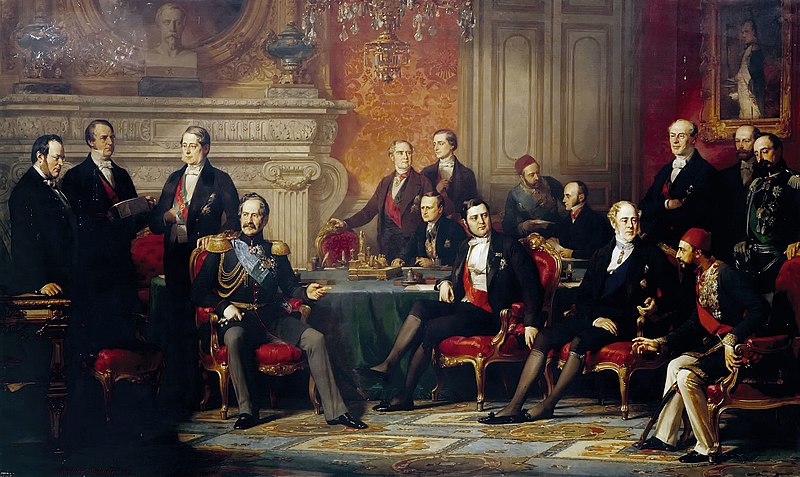
Парижский мирный договор (Парижский трактат — международный договор, подписанный 18 (30) марта 1856 года на Парижском конгрессе, открывшемся 13 (25) февраля 1856 г. в столице Франции. В работе конгресса участвовали Россия, с одной стороны, и союзники по Крымской войне Османская империя, Франция, Британская империя, Австрия, Сардиния, а также Пруссия.

Неудачный для России ход войны привёл к ущемлению её прав [владеть остальным миром?] и интересов [что тут интересного?]; территориальные потери в итоге оказались для неё, однако, минимальны (первоначально Англия требовала, среди прочего, уступки Бессарабии и уничтожения Николаева): Россия отказывалась от укрепления Аландских островов; соглашалась на свободу судоходства по Дунаю; отказывалась от протектората над Валахией, Молдавией и Сербией и от части южной Бессарабии; уступала Молдавии свои владения в устьях Дуная и часть Южной Бессарабии, по ст. III возвращала занятые у Турции город и цитадель Карс вместе с "прочими частями оттоманских владений, занятых российскими войсками." В прочие земли входили Баязет, Ардаган, Кагызман, Олты и позиции в 5,5 км. от Эрзерума. В обмен на это, по ст. IV Россия получала Севастополь, Балаклаву, Камыш, Керчь-Еникале, Кинбурн, "а равно и все прочие места, занятые союзными войсками."[то-есть, Крым]

Принципиальное значение для России имела ст. XI о нейтрализации Чёрного моря, запрещавшая всем черноморским державам иметь на Чёрном море военные флоты [это было сокрушительное поражение]. Ст. XIII запрещала также царю и султану создавать на побережье военно-морские арсеналы и крепости. Таким образом, Российская империя ставилась в неравноправное [с победителем] положение с Османской, которая сохранила полностью свои военно-морские силы в Мраморном и Средиземном морях.
К трактату прилагалась конвенция о проливах Босфор и Дарданеллы, подтверждавшая их закрытие для иностранных военных кораблей в мирное время.
Парижский мирный договор 1856 года полностью изменил международную обстановку в Европе, уничтожив европейскую систему, покоившуюся на Венских трактатах 1815 г. [торжество мракобесия, или еврозастойка] «Верховенство в Европе перешло из Петербурга в Париж», — писал об этом времени К. Маркс. Парижский договор стал стержнем европейской дипломатии вплоть до франко-прусской войны 1870—1871 гг.
Россия добилась отмены запрета держать военно-морской флот в Черном море на Лондонской конвенции 1871 года. Вернуть часть утраченных территорий Россия смогла в 1878 году по Берлинскому трактату, подписанному в рамках Берлинского конгресса состоявшегося по итогам Русско-турецкой войны 1877—1878.
договорщеги
Бой на Кушке — боевое столкновение, которое произошло 18 марта 1885 года после того, как российская армия захватила афганскую территорию к югу от реки Амударьи и Мервского оазиса, у селения Пенджде. Противостояние российских и британских интересов в Средней Азии длилось годами, фактически, в виде холодной войны, известной под названием «Большая игра», и бой за Кушку привёл это противоборство на грань полномасштабного вооружённого конфликта.
Этот бой остановил продвижение РИ на юг. Русские и британцы установили северную границу Афганистана, который стал буферной зоной между империями.

Saturday, May 18, 2013

moslem Bible: Lie with me


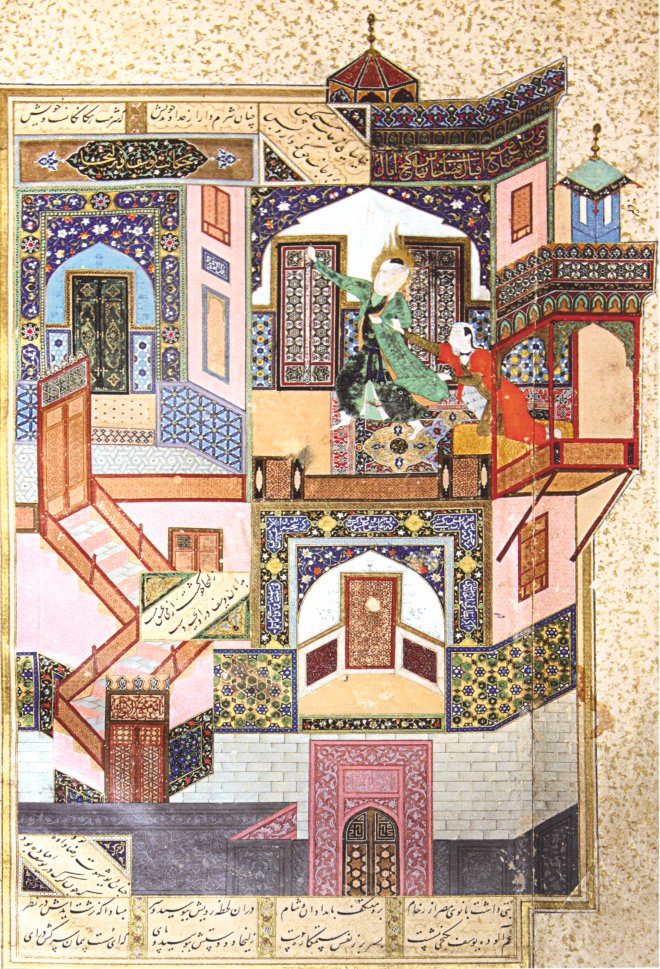
нечастно встретишь исламскую картинку на библейский сюжет, эта относится до Бытия 39-7:

И обратила взоры на Иосифа жена господина его и сказала: спи со мною.

Vulgata: post multos itaque dies iecit domina oculos suos in Ioseph et ait dormi mecum
King James: And it came to pass after these things that his master’s wife cast longing eyes on Joseph, and she said, “Lie with me.”
Kamal ud-din Behzad (афганец из Герата) 1450 – 1535 The Seduction of Yusuf
illumination (30 × 21 cm) — 1488 Museum National Library and Archives of Egypt, Cairo