I've been using B-splines a lot in my research to do curve fitting, so I put together a notebook where you can play around with them interactively to see how they work: https://t.co/ao8s2Vxo7d pic.twitter.com/cqQ0WMCtSO
— Herb Susmann (@herbps10) July 16, 2021
Showing posts with label линька. Show all posts
Showing posts with label линька. Show all posts
Sunday, July 18, 2021
useful link

Friday, March 19, 2021
LJ on Soviet myths
хорошая статейка про советские мифы (выдержки):
... На самом деле Ленин был обычным лысым прощелыгой-эмигрантом, который пользуясь лояльным царским законодательством вёл свою подрывную деятельность, время от времени получая заграничный паспорт и уезжая от страшного царского режима за границу.
... В пятидесятые годы рассказывали сказки о том, сколько в стране прибавилось танков. В шестидесятые — сколько появилось ракет и сколько гектаров советского Космоса уже освоено. В семидесятые годы опять вспомнили про чугун, так как новых достижений особо не было.
... «Ударники-безбожники на деле показывают, как надо бороться за промфинплан и строить новый безбожный быт».
"Мимо барака проходили многие люди, но никто не пришел проведать заболевшую Настю, потому что каждый нагнул голову и непрерывно думал о сплошной коллективизации. Иногда вдруг наставала тишина, но затем опять пели вдалеке сирены поездов, протяжно спускали пар свайные копры, и кричали голоса ударных бригад, упершихся во что-то тяжкое, кругом беспрерывно нагнеталась общественная польза."
(с) Котлован Платонова

Friday, January 22, 2021
The BIRTH Special Collection
 |
| Supporting women on their journey to motherhood |
August 5, 2020 Soo Downe, Jean Calleja Agius, Marie-clare Balaam, Lucy Frith
Understanding childbirth as a complex salutogenic phenomenon: the EU COST BIRTH Action Special Collection – PLOS Collections
July 29, 2020 Lucy Frith, Marie-Clare Balaam, Soo DowneCOLLECTION ARTICLES
Birth as a neuro-psycho-social event: an integrative model of maternal experiences and their relation to neurohormonal events during childbirth.
July 28, 2020Ibone Olza, Kerstin Uvnäs-Moberg, Anette Ekström-Bergström, Patricia Leahy-Warren, Sigfridur Inga Karlsdottir, Marianne Nieuwenhuijze, Stella Villarmea, Eleni Hadjigeorgiou, Maria Kazmierczak, Andria Spyridou, Sarah BuckleyMaternal plasma levels of oxytocin during breastfeeding – a systematic review
August 5, 2020Kerstin Uvnäs-Moberg, Anette Ekström-Bergström, Sarah Buckley, Claudia Massarotti, Zada Pajalic, Karolina Luegmair, Alicia Kotlowska, Luise Lengler, Ibone Olza, Susanne Grylka-Baeschlin, Patricia Leahy-Warren, Eleni Hadjigeorgiu, Stella Villarmea, Anna DenckerA computational fluid dynamics modelling of maternal-fetal heat exchange and blood flow in the umbilical cord
July 28, 2020Dorothea Kasiteropoulou, Anastasia Topalidou, Soo DowneThermal imaging of the fetus: An empirical feasibility study
July 28, 2020Anastasia Topalidou, Garik Markarian, Soo DowneHow do midwives facilitate women to give birth during physiological second stage of labour? A systematic review
July 28, 2020Maria Healy, Viola Nyman, Dale Spence, René Otten, Corine VerhoevenHow much synthetic oxytocin is infused during labour? A review and analysis of regimens used in 12 countries
July 28, 2020Deirdre Daly, Karin CS Minnie, Alwiena Blignaut, Ellen Blix, Anne Britt Vika Nilsen, Anna Dencker, Katrien Beeckman, Mechthild Gross, Jessica Pehlke-Milde, Susanne Grylka-Baeschlin, Martina Koenig-Bachmann, Jette Clausen, Eleni Hadjigeorgiou, Sandra Morano, Laura Iannuzzi, Barbara Baranowska, Iwona Kiersnowska, Kerstin Uvnäs MobergEconomic implications of reducing caesarean section rates – analysis of two health systems
July 28, 2020Patrick Moran, Charles Normand, Patricia Gillen, Francesca Wuytack, Michael Turner, Cecily Begley, Deirdre DalySunday, January 10, 2021
save the link
Сохраните себе этот полезный список, и вы всегда будете знать, где законно брать книги для чтения.

1. Библиотека Максима Мошкова (www.lib.ru) - одна из первых и самых популярных русскоязычных электронных библиотек, она открылась в 1994 году. Авторы и читатели ежедневно пополняют библиотеку на добровольной основе. Сервис не берёт денег, читать бесплатно можно абсолютно всё.
2. Библиотека «Альдебаран» (aldebaran.ru) предлагает скачать книгу бесплатно в любом из удобных электронных форматов (epub, fb2, rtf, mobi, pdf), а перед этим шагом ознакомиться с её отрывком. Сервис на уровне!
3. Весь Толстой в один клик (www.readingtolstoy.ru) - волонтёры из 49 стран мира создали электронную версию 90-томного собрания сочинений Толстого. Все книги можно скачать в любом удобном формате бесплатно. Более 700 произведений от классика!
4. Фёдор Михайлович Достоевский (www.fedordostoevsky.ru) - энтузиаст Сергей Рублёв решил на одном сайте собрать всю информацию о писателе. Это не просто книги писателя (кстати, оцифрованы прижизненные издания), но и последние новости об экранизациях и телепостановках, исследования, а также список музеев и фотоархив.
5. Библиотека TarraNova (tarranova.lib.ru/about.htm) - просит называть себя не электронной библиотекой, а архивом. Руководство сайта говорит, что главное отличие – в том, что все тексты размещены официально, с согласия авторов. Однако TarraNova размещает не только авторские тексты, но и переводы (с фамилиями переводчиков).
6. Президентская библиотека им. Ельцина (prlib.ru/Lib/pages/collections.aspx) - оцифровывает редкие книги из российских публичных библиотек и собирает их по тематическим коллекциям. Интересного очень много. Например, к Году литературы сервис подготовил подборку «Факт и образ российской истории в произведениях русских писателей», где «Ода» Державина – оцифровка журнала «Новости» за июнь 1799 года.
7. Libereya.com (www.libereya.com) - пользоваться бесплатной онлайн-библиотекой «Либерейя» можно только после регистрации. У пользователей много обязанностей (публикации книг, общение), зато подборка книг хорошая.
8. Артефакт (artefact.lib.ru/library) - в библиотеке более 8 тысяч текстов. Её преимущество в том, что книги здесь не только на русском, но и на 32 других языках мира. Все файлы доступны для скачивания только в формате doc.
9. Электронная библиотека «Литмир» (www.litmir.info) - содержит более 200 000 книг. Их удобно читать онлайн, а вот при скачивании сайт просит установить специальную программу, которая отпугивает многих новых пользователей. В разделе «Форум» на сайте идёт довольно оживлённое общение пользователей друг с другом. В конце 2015 - го года сайт пережил несколько судебных процессов с издательством ЭКСМО и министром культуры РФ Владимиром Мединским, которые настаивали на закрытии сайта, указывая на находящийся на нем нелегальный контент. В 2016-м году сайт сменил владельца и встал на путь исправления. Книг стало заметно меньше, ведутся активные работы по исключению нелегального контента.
10. Litres.ru (www.litres.ru) - несмотря на то что Litres – магазин электронных книг, кое-что (в основном классику и периодику) там можно взять бесплатно в специальном разделе.
11. Bookland.com (www.bookland.com/rus) - магазин электронных книг, который также предлагает коллекцию бесплатных произведений в удобных форматах на 18 языках.
12. Библиоклуб (biblioclub.ru) - электронная библиотека и интернет-магазин, который предлагает интересные условия: приобретя 10 книг, можно стать обладателем статуса «Книгочея» и получить в бесплатное пользование половину контента магазина. На платформе предусмотрен еще статус «Гения» - это когда у вас есть бесплатный доступ ко всем книгам на сайте. Хороший вариант, особенно если вас интересует литература о бизнесе и саморазвитии, образовательные коллекции.
13. «Русская фантастика» (www.rusf.ru) - Книжная полка сайта содержит более 10 000 текстов 180 авторов.
14. Проект Гутенберг (www.gutenberg.org) - электронная библиотека, которая порадует любителей читать на иностранных языках. Более 46 тысяч электронных книг, преобладающий язык – английский.
15. ThankYou.ru (thankyou.ru/lib) - портал музыки и литературы, предоставляемой бесплатно. Неплохой выбор книг в электронном формате fb2, а также возможность для начинающих авторов опубликовать свою книгу бесплатно.
16. Библиотека иностранной литературы им. Рудомино (hyperlib.libfl.ru/rubr.php) - оцифровала часть своих фондов. В основном это редкие книги.
17. «Книжный шкаф» (www.detisite.ru/gorodok/book) - уютная детская библиотека оцифровала множество хороших детских книг, однако в 2009-м подверглась хакерской атаке и потеряла почти все свои архивы. Но кое-что сохранилось. Почитать детские произведения можно, кликнув на иконку книги в нарисованном шкафу.
18. Институт этнологии и антропологии (iea-ras.ru) - на своей книжной полке делится профильными книгами в формате PDF. Выборку профессионалы оценивают как отличную.
19. Журнальный зал (magazines.russ.ru/about) - электронная библиотека современных литературных журналов России. Здесь можно найти свежие номера самых известных отечественных "толстых журналов". База пополняется достаточно быстро, а читать - интересно, ведь многие большие произведения сначала публикуются здесь, а потом перекочевывают в отдельные книги.
20. Электронная библиотека Института мировой литературы РАН (biblio.imli.ru/) - в конце 2015 года на сайта ИМЛИ РАН появился раздел "Электронная библиотека". Сейчас в ней около 400 отсканированных научных изданий, для удобства пользователей разделенных по направлениям. Это "Теория литературы", "Русская литература", "Литература народов России и стран СНГ", "Зарубежная литература", "Фольклористика" и другие. Библиотека пополняется, на сайте можно не регистрироваться.
Отсюда
2. Библиотека «Альдебаран» (aldebaran.ru) предлагает скачать книгу бесплатно в любом из удобных электронных форматов (epub, fb2, rtf, mobi, pdf), а перед этим шагом ознакомиться с её отрывком. Сервис на уровне!
3. Весь Толстой в один клик (www.readingtolstoy.ru) - волонтёры из 49 стран мира создали электронную версию 90-томного собрания сочинений Толстого. Все книги можно скачать в любом удобном формате бесплатно. Более 700 произведений от классика!
4. Фёдор Михайлович Достоевский (www.fedordostoevsky.ru) - энтузиаст Сергей Рублёв решил на одном сайте собрать всю информацию о писателе. Это не просто книги писателя (кстати, оцифрованы прижизненные издания), но и последние новости об экранизациях и телепостановках, исследования, а также список музеев и фотоархив.
5. Библиотека TarraNova (tarranova.lib.ru/about.htm) - просит называть себя не электронной библиотекой, а архивом. Руководство сайта говорит, что главное отличие – в том, что все тексты размещены официально, с согласия авторов. Однако TarraNova размещает не только авторские тексты, но и переводы (с фамилиями переводчиков).
6. Президентская библиотека им. Ельцина (prlib.ru/Lib/pages/collections.aspx) - оцифровывает редкие книги из российских публичных библиотек и собирает их по тематическим коллекциям. Интересного очень много. Например, к Году литературы сервис подготовил подборку «Факт и образ российской истории в произведениях русских писателей», где «Ода» Державина – оцифровка журнала «Новости» за июнь 1799 года.
7. Libereya.com (www.libereya.com) - пользоваться бесплатной онлайн-библиотекой «Либерейя» можно только после регистрации. У пользователей много обязанностей (публикации книг, общение), зато подборка книг хорошая.
8. Артефакт (artefact.lib.ru/library) - в библиотеке более 8 тысяч текстов. Её преимущество в том, что книги здесь не только на русском, но и на 32 других языках мира. Все файлы доступны для скачивания только в формате doc.
9. Электронная библиотека «Литмир» (www.litmir.info) - содержит более 200 000 книг. Их удобно читать онлайн, а вот при скачивании сайт просит установить специальную программу, которая отпугивает многих новых пользователей. В разделе «Форум» на сайте идёт довольно оживлённое общение пользователей друг с другом. В конце 2015 - го года сайт пережил несколько судебных процессов с издательством ЭКСМО и министром культуры РФ Владимиром Мединским, которые настаивали на закрытии сайта, указывая на находящийся на нем нелегальный контент. В 2016-м году сайт сменил владельца и встал на путь исправления. Книг стало заметно меньше, ведутся активные работы по исключению нелегального контента.
10. Litres.ru (www.litres.ru) - несмотря на то что Litres – магазин электронных книг, кое-что (в основном классику и периодику) там можно взять бесплатно в специальном разделе.
11. Bookland.com (www.bookland.com/rus) - магазин электронных книг, который также предлагает коллекцию бесплатных произведений в удобных форматах на 18 языках.
12. Библиоклуб (biblioclub.ru) - электронная библиотека и интернет-магазин, который предлагает интересные условия: приобретя 10 книг, можно стать обладателем статуса «Книгочея» и получить в бесплатное пользование половину контента магазина. На платформе предусмотрен еще статус «Гения» - это когда у вас есть бесплатный доступ ко всем книгам на сайте. Хороший вариант, особенно если вас интересует литература о бизнесе и саморазвитии, образовательные коллекции.
13. «Русская фантастика» (www.rusf.ru) - Книжная полка сайта содержит более 10 000 текстов 180 авторов.
14. Проект Гутенберг (www.gutenberg.org) - электронная библиотека, которая порадует любителей читать на иностранных языках. Более 46 тысяч электронных книг, преобладающий язык – английский.
15. ThankYou.ru (thankyou.ru/lib) - портал музыки и литературы, предоставляемой бесплатно. Неплохой выбор книг в электронном формате fb2, а также возможность для начинающих авторов опубликовать свою книгу бесплатно.
16. Библиотека иностранной литературы им. Рудомино (hyperlib.libfl.ru/rubr.php) - оцифровала часть своих фондов. В основном это редкие книги.
17. «Книжный шкаф» (www.detisite.ru/gorodok/book) - уютная детская библиотека оцифровала множество хороших детских книг, однако в 2009-м подверглась хакерской атаке и потеряла почти все свои архивы. Но кое-что сохранилось. Почитать детские произведения можно, кликнув на иконку книги в нарисованном шкафу.
18. Институт этнологии и антропологии (iea-ras.ru) - на своей книжной полке делится профильными книгами в формате PDF. Выборку профессионалы оценивают как отличную.
19. Журнальный зал (magazines.russ.ru/about) - электронная библиотека современных литературных журналов России. Здесь можно найти свежие номера самых известных отечественных "толстых журналов". База пополняется достаточно быстро, а читать - интересно, ведь многие большие произведения сначала публикуются здесь, а потом перекочевывают в отдельные книги.
20. Электронная библиотека Института мировой литературы РАН (biblio.imli.ru/) - в конце 2015 года на сайта ИМЛИ РАН появился раздел "Электронная библиотека". Сейчас в ней около 400 отсканированных научных изданий, для удобства пользователей разделенных по направлениям. Это "Теория литературы", "Русская литература", "Литература народов России и стран СНГ", "Зарубежная литература", "Фольклористика" и другие. Библиотека пополняется, на сайте можно не регистрироваться.
Отсюда
Wednesday, September 23, 2020
a week of the fb ban
fb personal
тут написано, за что забанили, за hate speech, btw — такшта: шутки в сторону
лучше бы дома сидели, но этто не только их касается
про хотелку, вместо которой растёт страшылка — как всегда и как лучше
про счёт пандемии, кто, как и что считает (из Nature, аднака)
пох оже, что таки единственная, куда перепись записана, и проводят уже больше 200 лет — самая длинная переписная история, Новый Свет btw
а у разнополых, практично у всех
завидуют все, но в тряпочку
про нехту и РБ
про смертность от ковида, но не в Швеции, а под оккупацией
тоже в связи с пандемией и гриппом.ру
влияние эпидемии на обращене к врачам, в частности. беременных
Researchers highlight ‘questionable’ data in Russian coronavirus vaccine trial results
и даже в области балета вакцины, да, чоуштам — ва всех
теплеет Восток и Север заодно
но нам нет приград, ни в суши, Нина Море
запишите на Ваш магнитофон: пенсии будут повышены выше инфляции
не пей кололоку, думай об Африке
хочешь мира — готовься к борьбе за него
с чего начали, туда же и вернулись: как нам обустроить РабКрИн
Tuesday, July 28, 2020
Forecasts of Total Deaths
Observed and forecasted cumulative reported COVID-19 deaths as of July 20, 2020.
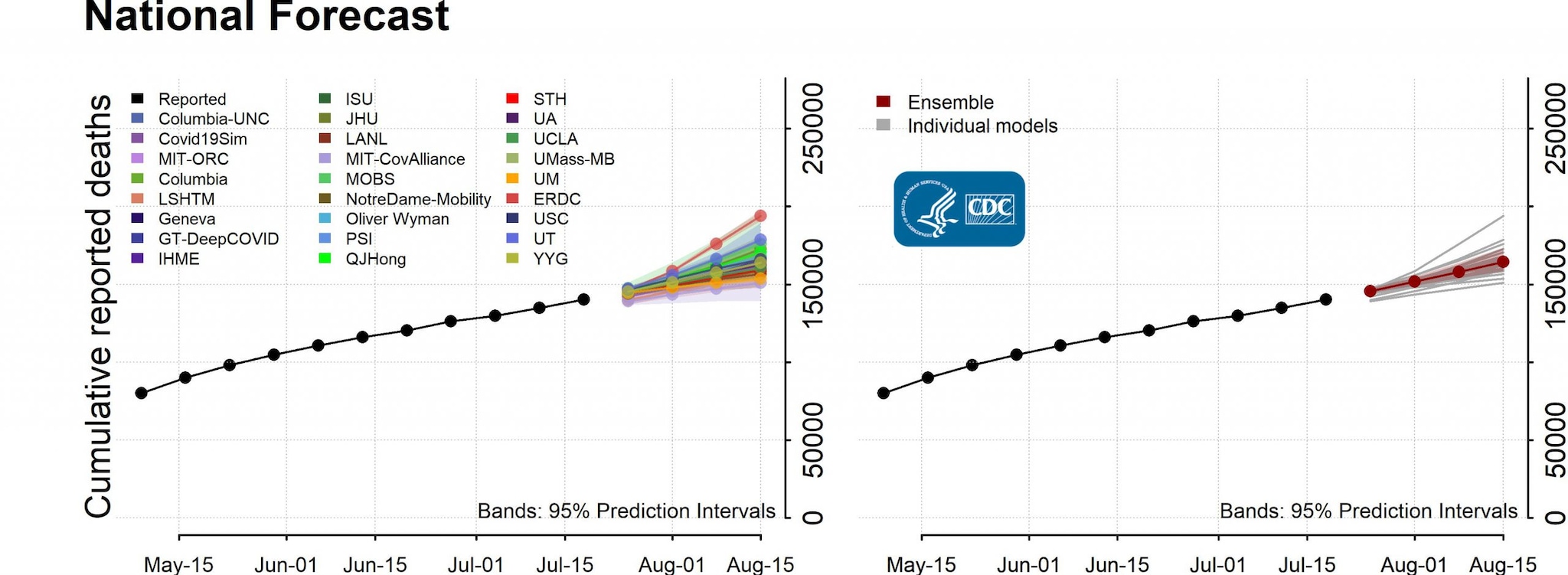
Interpretation of Cumulative Death Forecasts
- This week CDC received 26 individual national forecasts.
- This week’s national ensemble forecast predicts there will likely be between 160,000 and 175,000 total reported COVID-19 deaths by August 15th.
- National and state-level ensemble forecasts suggest that the number of new deaths over the next 4 weeks will likely exceed the number reported over the last 4 weeks for the US overall, as well as in 25 states and 1 territory. The jurisdictions with the greatest likelihood of a larger number of deaths include Alabama, Florida, Georgia, Idaho, Nevada, Oklahoma, South Carolina, Texas, and Utah.
- The figure shows cumulative reported COVID-19 deaths and forecasted deaths for the next four weeks in the United States.
- Models make various assumptions about the levels of social distancing and other interventions, which may not reflect recent changes in behavior. See model descriptions below for details.
со списком прогонозистов полезно познакомиться (линька в самом начале)
Wednesday, October 30, 2019
auto matic calendar method

“Gynodate” clock and calculator, c.1960
Swiss clockmaker Jaquet introduced the “Gynodate” in 1958. It combined a regular alarm clock and a gauge to calculate the “safe period” as directed by Hermann Knaus. Jaquet claimed it “indispensable for every woman for natural birth control.”


Once back at the Dittrick, “gynodate” in hand, I did some preliminary google searching. Now if you put that word in google, the results are predictable: either porn, or something about making an appointment at the gynecologist’s office – equally uninformative for us, however. I did run across a true hit, mentioning the item in the New York Times in June, 1965. At that date, Hammacher Schlemmer, New York’s premier gift, gadget, and hardware store since 1848, offered the 'gynodate' for sale “to help married couples plan their families.” And the next day “one hundred ‘planned parenthood’ clocks were reported sold yesterday at Hammacher-Schlemmer…for $19.95.” Nothing more of substance, however.
As a last stab at finding out more about the "gynodate" I emailed colleagues at the Museum of contraception and abortion in Vienna, Austria. We’d been in touch before they opened and had hosted museum founder Christian Fiala and his associate Susanne Kresje in Cleveland in 2007. We stayed in touch and I’ve visited the museum in Vienna on two occasions. So I dropped an email to Susanne and Christian, inquiring if they had a "gynodate" clock. Paydirt, kinda. No, they didn’t have the item in question, but would love to get one should I happen to encounter another in my travels (slim chance of that). But they did have some associated ephemera that they freely shared and is posted here.


The thing that I like best about the "gynodate" is its stylish concealment of its function. Looks like a nice, if simple, alarm clock when the decorative bezel is closed. But lift the hinged cover and you reveal adjustable dials to set for the onset and end of the monthly period, and hence gauge the days of fertility. Reminds me of oral contraceptive dispensers in the form of lipstick containers or dialpak dispensers disguised as facial powder compacts.
Certainly not the first, nor the last, time that designers strived to camouflage the purpose of a medical device. Sometimes this was done to conceal an object's function from unwitting patients (as in the case of medical furniture in the 1880s), while at other times it was done to safeguard personal dignity, as in the concealment of contraceptive purpose of the object at hand, the "gynodate".
Jim Edmonson
Monday, March 4, 2019
Public health training centers

Northwest Center for Public Health Practice http://www.nwcphp.org/training search for epidemiology or program planning and evaluation http://www.nwcphp.org/training/training-search#b_start=0&c5=course&c7=epidemiology&c7=program-planning-evaluation comes up with many statistics, data analysis, evaluation type classes
North Carolina Center for Public Health Preparedness Training Web Site http://nciph.sph.unc.edu/tws/index.php has training on epidemiology, statistics, gis. The topic list is here, including data analysis, epidemiology, evaluation https://nciph.sph.unc.edu/tws/training_list/
Region 6 South Central Public Health Training Center http://r6phtc.sph.tulane.edu/ has on line classes here http://lms.southcentralpartnership.org/ has on line classes on needs assessment and evaluation.
American Evaluation Association
American Evaluation Association a tips blog http://aea365.org/blog/ with short entries.
Others
On line classes
Action Research and Action Learning http://www.aral.com.au/ has an on line learning class http://www.aral.com.au/areol/areolind.html This on line class is a 14-week public courseoffered twice a year as a public service by ALARA (Action Learning Action Research Association Inc). Teacher is Bob Dick.
Boston University School of Public Health http://sphweb.bumc.bu.edu/otlt/mph-modules/menu/
Online learning modules about many topics, statistics, research methods, program evaluation, etc
CDC http://www2a.cdc.gov/TCEOnline/ has this Training and Continuing Education Online. However, you can't see what the classes are, unless you log on, which I haven't so I don't know whats there. This is part of CDC's Competencies for Applied Epidemiologists in Governmental Public Health Agencies (AECs) http://www.cdc.gov/AppliedEpiCompetencies/ which lists one class, Principles of Epidemiology in Public Health Practice.
Carnegie Mellon has an Open Learning Initiative http://oli.cmu.edu/ with a couple of statistics classes.
DataOne has a set of modules on data management, data quality, other data issues https://www.dataone.org/education-modules These are in powerpoint. DataOne is about environmental data. The modules last updated October 2016.
EvalPartners has this e-Learning programme in Development Evaluation http://elearning.evalpartners.org/elearning free for anyone
The Global Health Learning Center http://www.globalhealthlearning.org/ Prepared by some folks at Measure. This site is partly from USAID. Has a section on monitoring and evaluation http://www.globalhealthlearning.org/program/monitoring-and-evaluation
Khan academy has a section on high school statistics https://www.khanacademy.org/math/probability and statistics and probability https://www.khanacademy.org/math/statistics-probability
MEASURE https://www.measureevaluation.org/resources/training/online-courses-and-resources/ "Evaluation makes available free training materials and tools on M&E topics for use by researchers, program managers, trainers, policy makers, students, and other public health professionals." Present and past webinars are here https://www.measureevaluation.org/resources/webinars
U Minnesota has online courses http://learning.umn.edu/publicViewHome.do?method=load no credit or certificate. Can get certificate for $10. I found a couple of classes for statistics, and one for program evaluation.
MIT has open courseware http://ocw.mit.edu/index.htm some of which appear to be just class notes, sometimes videos. Search for "statistics" for example. I found this class on introduction to statistics: https://ocw.mit.edu/courses/mathematics/18-650-statistics-for-applications-fall-2016/lecture-videos/lecture-1-introduction-to-statistics/
Open University has free online classes http://www.open.edu/openlearn/free-courses/full-catalogue I found one on epidemiology in the Health, Sports and Psychology section, and the Science and Math section has at least one on data: graphs and tables.
School of Data http://schoolofdata.org/ From the Open Knowledge Foundation and Peer to Peer University.
Has a few related classes, such as data cleaning, and data presentation.
Standford University has Stanford Online https://lagunita.stanford.edu/ some statistics classes. It looks like you sign up for classes and take classes (vs just watching videos or just reading class notes).
Udacity https://www.udacity.com/ has many statistics or data science classes
Unicef http://www.ceecis.org/remf/Service3/unicef_eng/index.html monitoring and evaluation training module, in English, and http://www.ceecis.org/remf/Service3/unicef_rus/index.html in Russian.
Links to classes elsewhere
Edx https://www.edx.org/ From Harvard, MIT and others. Has current and archived classes. Topics include data analysis and statistics https://www.edx.org/course/subject/data-analysis-statistics A few specific classes are Evaluating Social Programs https://www.edx.org/course/evaluating-social-programs-mitx-jpal101x-4 (archived) and Designing and running randomized evaluations https://www.edx.org/course/designing-running-randomized-evaluations-mitx-jpal102x
Open Education Database http://oedb.org/open/ these are the open courses. This site lists sites from other universities and educational institutions. There are two classes on surveys in the Health and Medical section, and lots of statistics classes in science and in math.
TRAIN https://www.train.org/main/welcome A free service of the Public Health Foundation. This site lists classes offered elsewhere. You can find classes on stats, epi, evaluation and related. They generally list classes from UNC and other public health training centers. I'm not exactly clear on whether anyone can take these classes.
http://alison.com/ "ALISON enables anyone, anywhere, to educate themselves via interactive multimedia for FREE." Alison.com is the provider of classes. Trainers and organizations pay a small fee to provide classes for their people, but people can take classes for free. Search for "statistics" or "evaluation" and there are a few.
Others
On line classes
Action Research and Action Learning http://www.aral.com.au/ has an on line learning class http://www.aral.com.au/areol/areolind.html This on line class is a 14-week public courseoffered twice a year as a public service by ALARA (Action Learning Action Research Association Inc). Teacher is Bob Dick.
Boston University School of Public Health http://sphweb.bumc.bu.edu/otlt/mph-modules/menu/
Online learning modules about many topics, statistics, research methods, program evaluation, etc
CDC http://www2a.cdc.gov/TCEOnline/ has this Training and Continuing Education Online. However, you can't see what the classes are, unless you log on, which I haven't so I don't know whats there. This is part of CDC's Competencies for Applied Epidemiologists in Governmental Public Health Agencies (AECs) http://www.cdc.gov/AppliedEpiCompetencies/ which lists one class, Principles of Epidemiology in Public Health Practice.
Carnegie Mellon has an Open Learning Initiative http://oli.cmu.edu/ with a couple of statistics classes.
DataOne has a set of modules on data management, data quality, other data issues https://www.dataone.org/education-modules These are in powerpoint. DataOne is about environmental data. The modules last updated October 2016.
EvalPartners has this e-Learning programme in Development Evaluation http://elearning.evalpartners.org/elearning free for anyone
The Global Health Learning Center http://www.globalhealthlearning.org/ Prepared by some folks at Measure. This site is partly from USAID. Has a section on monitoring and evaluation http://www.globalhealthlearning.org/program/monitoring-and-evaluation
Khan academy has a section on high school statistics https://www.khanacademy.org/math/probability and statistics and probability https://www.khanacademy.org/math/statistics-probability
MEASURE https://www.measureevaluation.org/resources/training/online-courses-and-resources/ "Evaluation makes available free training materials and tools on M&E topics for use by researchers, program managers, trainers, policy makers, students, and other public health professionals." Present and past webinars are here https://www.measureevaluation.org/resources/webinars
U Minnesota has online courses http://learning.umn.edu/publicViewHome.do?method=load no credit or certificate. Can get certificate for $10. I found a couple of classes for statistics, and one for program evaluation.
MIT has open courseware http://ocw.mit.edu/index.htm some of which appear to be just class notes, sometimes videos. Search for "statistics" for example. I found this class on introduction to statistics: https://ocw.mit.edu/courses/mathematics/18-650-statistics-for-applications-fall-2016/lecture-videos/lecture-1-introduction-to-statistics/
Open University has free online classes http://www.open.edu/openlearn/free-courses/full-catalogue I found one on epidemiology in the Health, Sports and Psychology section, and the Science and Math section has at least one on data: graphs and tables.
School of Data http://schoolofdata.org/ From the Open Knowledge Foundation and Peer to Peer University.
Has a few related classes, such as data cleaning, and data presentation.
Standford University has Stanford Online https://lagunita.stanford.edu/ some statistics classes. It looks like you sign up for classes and take classes (vs just watching videos or just reading class notes).
Udacity https://www.udacity.com/ has many statistics or data science classes
Unicef http://www.ceecis.org/remf/Service3/unicef_eng/index.html monitoring and evaluation training module, in English, and http://www.ceecis.org/remf/Service3/unicef_rus/index.html in Russian.
Links to classes elsewhere
Edx https://www.edx.org/ From Harvard, MIT and others. Has current and archived classes. Topics include data analysis and statistics https://www.edx.org/course/subject/data-analysis-statistics A few specific classes are Evaluating Social Programs https://www.edx.org/course/evaluating-social-programs-mitx-jpal101x-4 (archived) and Designing and running randomized evaluations https://www.edx.org/course/designing-running-randomized-evaluations-mitx-jpal102x
Open Education Database http://oedb.org/open/ these are the open courses. This site lists sites from other universities and educational institutions. There are two classes on surveys in the Health and Medical section, and lots of statistics classes in science and in math.
TRAIN https://www.train.org/main/welcome A free service of the Public Health Foundation. This site lists classes offered elsewhere. You can find classes on stats, epi, evaluation and related. They generally list classes from UNC and other public health training centers. I'm not exactly clear on whether anyone can take these classes.
http://alison.com/ "ALISON enables anyone, anywhere, to educate themselves via interactive multimedia for FREE." Alison.com is the provider of classes. Trainers and organizations pay a small fee to provide classes for their people, but people can take classes for free. Search for "statistics" or "evaluation" and there are a few.
I just found this class on psychology research methods https://alison.com/course/research-methods-in-psychology
On line pdfs, slideshows
Johns Hopkins Bloomberg School of Public Health's OPENCOURSEWARE http://ocw.jhsph.edu/ has classes on statistics and a couple of classes about program evaluation. Have to search for classes. But these are basically pdf files of the lectures used in classes.
Pitt's Supercourses http://www.pitt.edu/~super1/ has hundreds of on line slideshow lectures. A lot are about epidemiology, and a few about evaluation. For example:
Introduction to program evaluation, Evaluation and Evaluative Research in Healthcare, A primer in surveys, Survey sample size, Surveillance
This page http://www.pitt.edu/~super1/assist/topicsearch.htm lists a bunch in epi
However, the good, the bad, the ugly of the Supercourses:
The good:
1. All the slideshows list the authors so you can check up on them.
2. Many of the slideshows are on epi and research methods, and are easy to find.
The bad:
3. Many pages on the Pitt supercourse brings up some pop up and pop under ad.
Slideshare http://www.slideshare.net/ has some slideshows about evaluation and social research
http://www.slideshare.net/jtneill/slideshows James Neill has 22 slideshows about research, survey research, social psychology
http://www.slideshare.net/colinquinton/slideshows Colin Quinton has 2 slideshows: Survey Research Methods, and Interview, Ethnography and Action Research
Measurement and evaluation http://www.slideshare.net/Brett509/measurement-evaluation
Program evaluation http://www.slideshare.net/missan/programme-evaluation-in-open-and-distance-learning
On line surveys http://www.slideshare.net/guestfc78ad/survey-research-02
Market research http://www.slideshare.net/kkjjkevin03/marketing-research
Quantitative data basic analysis http://www.slideshare.net/DrKevinMorrell/quantitative-data-a-basic-introduction
Make surveys, send results to google.docs http://www.slideshare.net/sukhi/conduct-research-and-surveys-online-design-send-and-get-results-directly-in-spreadsheet-using-google-docs
Rick Davies lists evaluation slideshows from slideshare here, but this list is from 2008. http://mande.co.uk/2008/media/presentations/slideshare-presentations-on-monitoring-and-evaluation/
However, the good, the bad, the ugly of slideshare:
The good:
1. Many of the slideshows are very nice looking.
2. No pop ups.
3. There are tons of slideshows on all sorts of topics.
The bad:
4. Many of the slideshows have no information about the authors.
5. Again, there are tons of slideshows on all sorts of topics. The problem is its hard to find stuff related to research methods.
Uncollege has links to other sites http://www.uncollege.org/resources/ i'm working my way through them.
Videos, Webinars
The Analysis Factor has some webinars http://thecraftofstatisticalanalysis.com/home/ about a few statistical topics. You have to give your name and email address in order to see them.
On line pdfs, slideshows
Johns Hopkins Bloomberg School of Public Health's OPENCOURSEWARE http://ocw.jhsph.edu/ has classes on statistics and a couple of classes about program evaluation. Have to search for classes. But these are basically pdf files of the lectures used in classes.
Pitt's Supercourses http://www.pitt.edu/~super1/ has hundreds of on line slideshow lectures. A lot are about epidemiology, and a few about evaluation. For example:
Introduction to program evaluation, Evaluation and Evaluative Research in Healthcare, A primer in surveys, Survey sample size, Surveillance
This page http://www.pitt.edu/~super1/assist/topicsearch.htm lists a bunch in epi
However, the good, the bad, the ugly of the Supercourses:
The good:
1. All the slideshows list the authors so you can check up on them.
2. Many of the slideshows are on epi and research methods, and are easy to find.
The bad:
3. Many pages on the Pitt supercourse brings up some pop up and pop under ad.
Slideshare http://www.slideshare.net/ has some slideshows about evaluation and social research
http://www.slideshare.net/jtneill/slideshows James Neill has 22 slideshows about research, survey research, social psychology
http://www.slideshare.net/colinquinton/slideshows Colin Quinton has 2 slideshows: Survey Research Methods, and Interview, Ethnography and Action Research
Measurement and evaluation http://www.slideshare.net/Brett509/measurement-evaluation
Program evaluation http://www.slideshare.net/missan/programme-evaluation-in-open-and-distance-learning
On line surveys http://www.slideshare.net/guestfc78ad/survey-research-02
Market research http://www.slideshare.net/kkjjkevin03/marketing-research
Quantitative data basic analysis http://www.slideshare.net/DrKevinMorrell/quantitative-data-a-basic-introduction
Make surveys, send results to google.docs http://www.slideshare.net/sukhi/conduct-research-and-surveys-online-design-send-and-get-results-directly-in-spreadsheet-using-google-docs
Rick Davies lists evaluation slideshows from slideshare here, but this list is from 2008. http://mande.co.uk/2008/media/presentations/slideshare-presentations-on-monitoring-and-evaluation/
However, the good, the bad, the ugly of slideshare:
The good:
1. Many of the slideshows are very nice looking.
2. No pop ups.
3. There are tons of slideshows on all sorts of topics.
The bad:
4. Many of the slideshows have no information about the authors.
5. Again, there are tons of slideshows on all sorts of topics. The problem is its hard to find stuff related to research methods.
Uncollege has links to other sites http://www.uncollege.org/resources/ i'm working my way through them.
Videos, Webinars
The Analysis Factor has some webinars http://thecraftofstatisticalanalysis.com/home/ about a few statistical topics. You have to give your name and email address in order to see them.
Monday, November 26, 2018
(UN)sexual linx

- СайнтификАмерикен: A new study released Tuesday by security software firm McAfee titled "Love, Relationships, and Technology" details just how many people send risque photos or intimate texts to people they know or strangers.
- teenVogue: Anal Sex: What You Need to Know
- CDC pdf: Trends in the Prevalence of Sexual Behaviors and HIV Testing National YRBS: 1991—2015
- TheAtlantic: Have Smartphones Destroyed a Generation?
- More comfortable online than out partying, post-Millennials are safer, physically, than adolescents have ever been. But they’re on the brink of a mental-health crisis.
- site: Singles in America - 2018
- Arch Sex Behav (2007) 36:477–507 Why Humans Have Sex (pdf)
- GQ: Meet the Hardest Working Man in Porn
- The Economist: Japan’s sex industry is becoming less sexual. An ageing population and a protracted economic slump have changed the face of the business
- New Yorker: Hands Off. are a bunch of men quitting masturbation? So they can be better men
- fightthenewdrug.org Kansas City Royals Becomes First MLB Team To Take A Stand Against Porn
- NYT: Internet Porn Nearly Ruined His Life. Now He Wants to Help.
- New Yorker: Head Case. How one man’s enduring obsession with pleasing women orally led to a mind-numbingly thorough how-to guide
- The Cut: Pornhub Is the Kinsey Report of Our Time The streaming sex empire may have done more to expand the sexual dreamscape than Helen Gurley Brown, Masters and Johnson, or Sigmund Freud
- Journal of Population Economics: Offline effects of online connecting: the impact of broadband diffusion on teen fertility decisions
- Alexandra Solomon: THE MARRIAGE 101 COURSE AT NORTHWESTERN UNIVERSITY
- Chicago Tribune: Marriage, as a course of study
- NYT: Tinder, the Fast-Growing Dating App, Taps an Age-Old Truth
- The Washington Post: How well online dating works, according to someone who has been studying it for years
- Freakonomics: What You Don’t Know About Online Dating
- The Washington Post: Americans are having less sex. And that's just fine
- BMJ: Anal heterosex among young people and implications for health promotion: a qualitative study in the UK
- Bloomberg: These Luxury Home Mainstays May Be Gone in 20 Years
- Think open kitchens and huge master suites will always be desirable? Think again

Wednesday, April 4, 2018
Respondent Driven Sampling
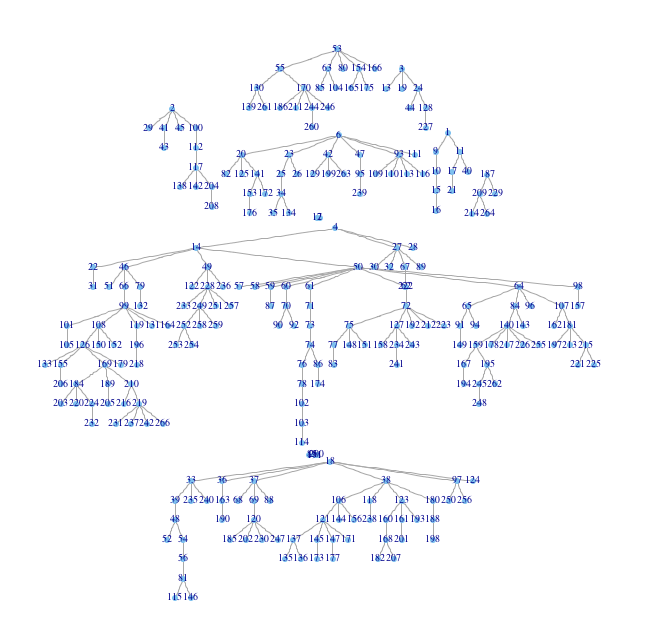
Respondent-driven sampling (RDS), combines "snowball sampling" (getting individuals to refer those they know, these individuals in turn refer those they know and so on) with a mathematical model that weights the sample to compensate for the fact that the sample was collected in a non-random way.
RDS represents an advance in sampling methodology because it resolves what had previously been an intractable dilemma, a dilemma that is especially severe when sampling hard-to-reach groups, that is, groups that are small relative to the general population, and for which no exhaustive list of population members is available. This includes groups relevant to public health, such as drug injectors, prostitutes, and gay men, groups relevant to public policy such as street youth and the homeless, and groups relevant to arts and culture such as jazz musicians and other performance and expressive artists.
Tuesday, November 28, 2017
cat goes to inverse cultural matrix

[кот сам решит отойти или остацо]
Несправедливость по отношению к мужчинам проистекает из трех факторов, установленных еще в 1986 году Томпсоном и Плеком. Это:
1) ожидание от «сильного» пола постоянной битвы за свой статус,
2) ожидание большей твердости в умственном, эмоциональном и физическом плане и
3) табу на традиционную женскую деятельность.
В западной социологии гендерное ограничение мужского поведения получило название «мужская коробка» (man box).
«Гетеросексистский мужчина должен быть сильным, потому его жизнь стала цирковым представлением с целью показать всем свою сильность. В погоне за образом силы мужчина стал бесчувственным роботом, машиной для сношений, добычи и убийства. Тем, чем его на самом деле хотело видеть гетерастское общество».

Значительная часть русских маскулистов — радикальные левые, хотя среди них можно встретить и сторонников анархо-капитализма.
Но все они согласны в одном: чтобы достичь цели, подлинного гендерного равенства, нужно уничтожить в первую очередь предрассудки в отношении мужчин.
Пока их деятельность исключительно теоретическая: переводы, написание статей и обмен мнениями. Но они уверены, что когда-нибудь выражение «Не служил — не мужик» исчезнет из русского лексикона.
Противник MGTOW — это не патриархальное общество, угнетающее и мужчин, и женщин, и не современный мир с феминизмом, хотя критика идет и в их адрес. Главный враг для них — это гиноцентризм [этто 5].
Из-за эмансипации женщины появился демографический кризис, исчезла классическая семья, наконец, она поставила мужчину в унизительное положение.
Помимо страниц вконтакте мужское движение сопровождают несколько блог-сайтов: mentales и masculist плюс отдельные авторские блоги. На Западе такое кольцо мужских ресурсов, где веселый сторонник пикапа может соседствовать с угрюмым традиционалистом, получила название «Маносфера».
Перспективы мужского движения туманны: на фоне массовой коммерческой моды на феминизм оно смотрится весьма бледно и даже за рубежом, не говоря уже о России, пока не стало заметной силой. Сейчас подобные объединения мужчин выглядят разрозненными группировками, занимающимися преимущественно троллингом в интернете. Все они видят свои конечные цели по-разному. Но их объединяет взгляд на нынешнее время, и возможно, они смогут использовать перегибы в идущей на данный момент борьбе с харассментом для того, чтобы стать выразителями альтернативной точки зрения на вопрос, действительно ли оба пола сейчас равны.
главная линька в верь Ху
Men Going Their Own Way — читайте, пока не удалили (тут 2 линьки)
The MenoSpere: The only winning move is not to play
главная линька в верь Ху
Saturday, November 4, 2017
data visualization exercises in R
Поскольку LinkedIn запрещён, а полезен вынесу сюда:
- https://software-carpentry.org/lessons/
- https://github.com/swirldev/swirl_courses/tree/master/Exploratory_Data_Analysis
- the exercises in Hadley Wickham's "R for Data Science", in the chapter on visualization, were really helpful. I believe the book is on his site, here: http://r4ds.had.co.nz
- by Griffith Lab: http://genviz.org/course/#module-2.
Thursday, June 29, 2017
How Geography Structures Punishment
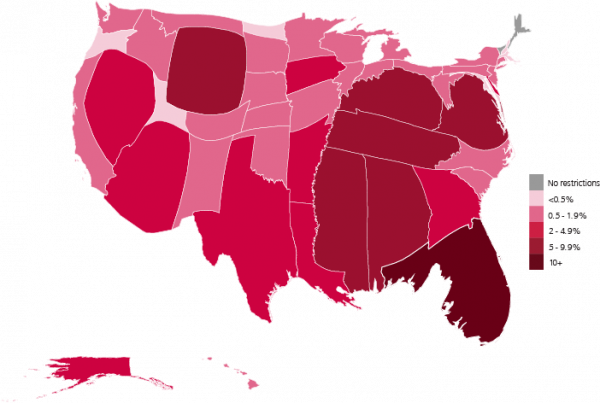
Sociologists who study punishment have long recognized the importance of geography in structuring disadvantage, at multiple levels. For instance, there are tremendous differences between states in the scope and impact of felon voting restrictions. Florida, for instance, contains 27% of all disenfranchised felons in the United States—in large part due to its policy of disenfranchising people after they have completed their sentences.. On the other end of the spectrum, Vermont and Maine allow even prisoners to vote. Another way that geography structures punishment is through children’s experiences of parental incarceration, which varies substantially by region. Moreover, the extent of racial disparity also varies regionally, with African American children experiencing the highest risks in all regions, and Latinos experiencing the most disadvantage in the West and Northeast.
про дробнозде см истошнег в верь ху, др ссылки:
- Christopher Muller and Christopher Wildeman. 2016. “Geographic Variation in the Cumulative Risk of Imprisonment and Parental Imprisonment in the United States.” Demography 53(5): 1499-1509.
- Hyojong Song, Michael Lynch, and John Cochran. 2016. “A Macro-Social Exploratory Analysis of the Rate of Interstate Cyber-Victimization.” American Journal of Criminal Justice 41(3): 583-601.
- Daniel Nagin and Cody Telep. 2017. “Procedural Justice and Legal Compliance.” Annual Review of Law and Social Science.
- John Hagan and Valerie Hans. 2017. “Procedural Justice Theory and Public Policy: An Exchange.” Annual Review of Law and Social Science.
- Chris Uggen, Ryan Larson, and Sarah Shannon. 2016. “6 Million Lost Voters: State-level Estimates of Felony Disenfranchisement.” The Sentencing Project.
Tuesday, June 13, 2017
SAS University Edition

Professors and teachers, SAS® University Edition has a lot to offer!
Free SAS software to use in statistics and quantitative methods classes in a variety of areas: economics, psychology and other social sciences, computer science, business, medical/health sciences, engineering, etc. For academic, noncommercial use only.
Statistical software that students can either download or launch in the cloud via Amazon Web Services. It's easy-to-get and easy-to-use, so traditional barriers to students are a thing of the past.
An online community for SAS academic users where you can interact, get support, share information, access SAS resources, etc.
Software and resources for developing students' analytical knowledge to fill the analytic skills gap in tomorrow's problem solvers and decision makers.
We are serious about our educational commitments. It’s important for all of us to stay relevant and up-to-date on the latest analytical developments. SAS will be with you to support your success.
Jim Goodnight
CEO, SAS
Powerful statistical software. And it's free.
SAS University Edition includes SAS Studio, Base SAS, SAS/STAT, SAS/IML, SAS/ACCESS and several time series forecasting procedures from SAS/ETS. It's the same world-class analytics software used by more than 83,000 business, government and university sites around the world, including 94 of the top 100 companies on the Fortune Global 500®. That means you'll be using the most up-to-date statistical and quantitative methods. And did we mention it's free?
Saturday, May 20, 2017
Applied Demography Toolbox
This Applied Demography Toolbox is a collection of applied demography programs, scripts, spreadsheets, databases and texts. If you would like to use, share or reproduce information or ideas from the linked files, be sure to cite the respective source. If you have questions, recommendations or additions for the site, or any comments, please send a message to me (Eddie Hunsinger) at edyhsgr@gmail.com. Acknowledgments.
проблема по жызни
проблема по жызни
Monday, March 27, 2017
European Journal of Population

European Journal of Population
Does Living in a Fatherless Household Compromise Educational Success? A Comparative Study of Cognitive and Non-cognitive Skills
This study addresses the relationship between various family forms and the level of cognitive and non-cognitive skills among 15- to 16-year-old students. We measure cognitive skills using standardized scores i...
Download PDF (675 KB) View Article
Family Trajectories and Well-being of Children Born to Lone Mothers in the UK
We investigate how lone mothers’ heterogeneity in partnership trajectories is associated with children’s well-being. We use data from the Millennium Cohort Study, which follows a large sample of children born ...
Elena Mariani, Berkay Özcan, Alice Goisis in European Journal of Population (2017) Download PDF (624 KB) View Article
Parental Separation and School Performance Among Children of Immigrant Mothers in Sweden
Immigration and family change are two demographic processes that have changed the face of European societies and are associated with inequalities in child outcomes. Yet there is little research outside the USA...Jeylan Erman, Juho Härkönen in European Journal of Population (2017)
Download PDF (649 KB) View Article
Explaining Conflicting Results in Research on the Heterogeneous Effects of Parental Separation on Children’s Educational Attainment According to Social Background
In recent years, researchers have become increasingly interested in how the effects of parental separation on children’s educational attainment vary with social background. On the one hand, parents with more r...Fabrizio Bernardi, Diederik Boertien in European Journal of Population (2017)
Download PDF (527 KB) View Article
Changes in Employment Uncertainty and the Fertility Intention–Realization Link: An Analysis Based on the Swiss Household Panel
How do changes in employment uncertainty matter for fertility? Empirical studies on the impact of employment uncertainty on reproductive decision-making offer a variety of conclusions, ranging from gender and ...Doris Hanappi, Valérie-Anne Ryser, Laura Bernardi… in European Journal of Population (2017)
Download PDF (582 KB) View Article
Choosing to Remain Childless? A Comparative Study of Fertility Intentions Among Women and Men in Italy and Britain
Pathways to childlessness may differ not only between individuals but also at the population level. This paper investigates differences in childlessness by comparing two countries—Britain and Italy—where level...Francesca Fiori, Francesca Rinesi, Elspeth Graham in European Journal of Population (2017)
Download PDF (677 KB) View Article
Influence of Heterogamy by Religion on Risk of Marital Dissolution: A Cohort Study of 20,000 Couples
Heterogamous marriages, in which partners have dissimilar attributes (e.g. by socio-economic status or ethnicity), are often at elevated risk of dissolution. We investigated the influences of heterogamy by rel...David M. Wright, Michael Rosato, Dermot O’Reilly in European Journal of Population (2017)
Download PDF (443 KB) View Article
Surviving the Holocaust: Socio-demographic Differences Among Amsterdam Jews
This study determined the victimisation rate among Amsterdam Jews and socio-demographic differences in surviving the Holocaust. After linking a registration list of over 77,000 Jewish inhabitants in 1941 to po...Peter Tammes in European Journal of Population (2017)
Download PDF (812 KB) View Article
Saturday, March 25, 2017
What has Europe ever done for health?

March 25, 2017, marks the 60th anniversary of the signing of the Treaties of Rome—two treaties that gave birth to the European Economic Community (EEC) and to the European Atomic Energy Community (EURATOM). The treaty establishing the EEC affirmed in its preamble that signatory states were “determined to lay the foundations of an ever closer union among the peoples of Europe”. Security, solidarity, and freedom are protected in the Charter of Fundamental Rights of the European Union (EU). The 1992 Maastricht Treaty placed the health mandate of the EU centre stage and although delivery of health care remains a national competence, EU law governs many areas, such as medicines regulation. Yet with the UK Brexit vote last year, and rising support for extremist anti-EU parties across Europe, closer union and solidarity in the 28 EU member states appears to be at risk. The global refugee crises, with European countries absorbing more than 2 million asylum applications since January, 2015, shows no sign of abating. With important elections in France and Germany imminent, now is the time to ask: what has Europe ever done for health?
 The 2013 Lancet series on Europe, led by Martin McKee of the London School of Hygiene & Tropical Medicine, UK, reported that most European countries have made impressive (although uneven) progress in population health in the past two decades, showing how Europe offers a natural learning community enabling each country to benchmark itself against others.
The EU has been especially effective in certain areas. In tobacco control, it resisted powerful industry lobbying by mandating changes to the packaging of tobacco products, including graphic photographs that must cover 65% of the front and back covers of packs. In the development of European guidelines, professional bodies with EU support have promoted evidence-based management of a wide range of conditions. The newly established European Reference Networks connecting 900 medical teams across Europe tackle complex or rare diseases and conditions that require highly specialised treatment knowledge and resources.
EU institutions have concentrated expertise and ensured harmonised decision making. The European Medicines Agency (EMA), established in London, UK, provides a single pathway for new drug approval. The European Commission's Directorate General for Health and Food Safety Consumer Protection (DG SANTE), with its mission to protect and promote the wellbeing of its citizens through public health, food safety, and consumer protection, continues to provide leadership to implement the Health in All Policies initiative towards greater recognition of how health contributes to economic growth and social cohesion. The European Centre for Disease Prevention and Control, in Stockholm, Sweden, provides invaluable infectious disease surveillance and, among other tasks, was mandated by DG SANTE to produce scientific advice on the main health needs of migrant populations. The European Food Safety Agency, in Parma, Italy, contributes to evidence-based standards by providing rapid responses to threats to food safety from chemical or infectious agents, such as melamine or Escherichia coli. Finally, the European Court of Justice has consistently upheld public health principles, such as rejecting challenges to tobacco legislation.
Despite these successes, there is still much to do. Engagement with younger generations, intersectoral collaboration, and investment in primary health care are key to addressing the double challenge of epidemiological and demographic transitions and the multimorbidity of chronic mental and physical ill-health. DG SANTE has done little about the Sustainable Development Goals, while the EMA has not progressed on drug pricing, arguably because cooperation with industry influences the health research and policy agenda. Yet Jan De Maeseneer, Chair of the independent EC Expert Panel on Effective Ways of Investing in Health, says, “This is an opportunity to build a social Europe—politicians need a viable social cohesion project using health systems as the direct interface to improving quality of life and sustainable development.” McKee, also a panel member, agrees, but warns that recent comments by the European Commission President, Jean-Claude Juncker, suggest that he fails to recognise the great contribution that the EU has made to health, with the risk that health's role could be weakened in a streamlined future EU.
The dawn of the next 60 years in Europe heralds an opportunity to tackle all these challenges. EU collaboration and investment in health can build a visibly cohesive European community based on founding values of solidarity, freedom, sustainability, and wellbeing—which remain even more relevant today than 60 years ago.
Monday, February 27, 2017
linked generations
Поколенческие цепочки научных школ
это название, а на самом деле про визуализацию разных связей простыми линиями, можно со стрелками (ударение нае)
по ссылке много картинок и любопытный текст
у меня тоже есть пара идей

Tuesday, February 14, 2017
Map of Russia
Статья про карты РФ
Maxim Osowski February 12, 2017
это эпиграф к ней:
карты и ссылки + некоторое понимание: для чего
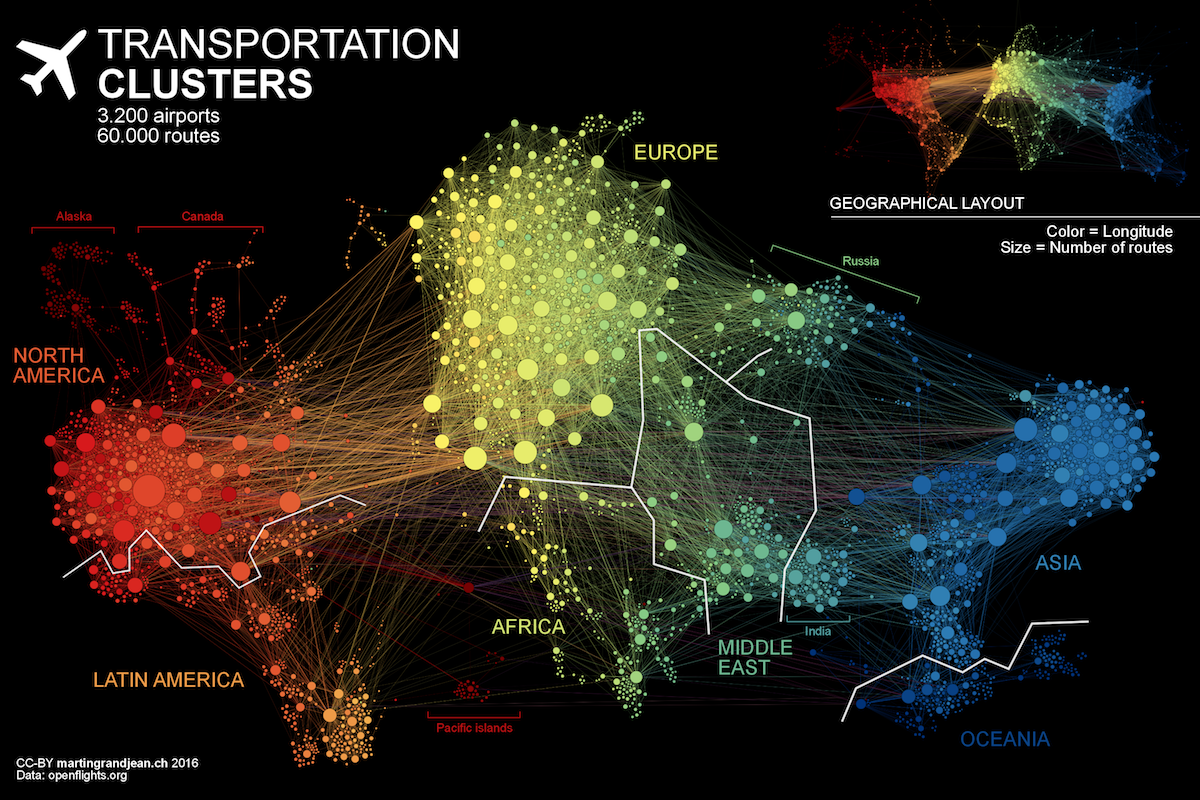
авиатранспорт, к примеру, на коленях пака, но круче Африки
 вот давно уже корячусь с гуглем, никак не могу разобраться
теперь нашол ещё — будду пробовать
Maxim Osowski February 12, 2017
это эпиграф к ней:
Для нашей страны нет реальных карт. Есть топографические карты, но нет карт реального обитаемого пространства. Это не та ситуация, что карты лежат в столах, и их некому напечатать. Нет, они не разработаны. Зияющая дыра. В очень узком кругу географов известна замечательная работа Е. Е. Лейзеровича (1927-2014), который выделил для России 423 (только 423!) района , потому что это делал один человек, хотя и сорок лет. Ничего большего нет. Вся региональная (пространствоведческая) социология или экономика базируется непонятно на каких основаниях. Налицо невероятная гордость и сакрализация размера России (17 млн.км²), а с другой стороны, нет даже сколько-нибудь подробного географического или комплексного описания России. Нет ни одного хорошего учебника географии! В этом отношении наша страна не изучена.что хорошего в статье?
Владимир Каганский, географ
карты и ссылки + некоторое понимание: для чего
авиатранспорт, к примеру, на коленях пака, но круче Африки
теперь нашол ещё — будду пробовать
Thursday, February 2, 2017
historical demography
 |
| лекция о Джоне Гронте, отце-основателе |
Can anyone recommend useful online resources for historical demography?демографы — народ отзывчивый и накидали разных ссылок, которые тут вос-про-из веду, для пользы телу
I would like to find good models for making historical demographic data available online and information about organisations with an interest in historical demography
кто хочет ориганально, ссылка в верь ху
- ALA Sources of Demographic Data on the Web
- European Historical Population Samples Network и их журнал Historical Life Course Studies is the electronic journal of the European Historical Population Samples Network (EHPS-Net). The journal is the primary publishing outlet for research involved in the conversion of existing European and non-European large historical demographic databases into a common format, the Intermediate Data Structure, and for studies based on these databases. The journal publishes both methodological and substantive research articles.
- DC : About historical demography the recently published book on The future of historical demography will be the best ressource for you. You will find here enclosed this volume edited by Koen Matthijs, Saskia Hin, Jan Kok, and Hideko Matsuo, in which historical demographers develop the new tools and new appraoches for this science. I was one of them and wrote a paper on Dead ends and new paths in historical demography.
- Коллекция данных (Historical Statistics of the World Economy: 1-2008 AD by (C) Angus Maddison)
- Growth of the population per country in a historical perspective, including their administrative divisions and principal towns by Jan J. Lahmeye
Subscribe to:
Posts (Atom)