— Gender Studies for Men (@JohnDavisJDLLM) December 12, 2022
Showing posts with label сексплорация. Show all posts
Showing posts with label сексплорация. Show all posts
Monday, December 12, 2022

Wednesday, December 7, 2022
live in New York State
 |
| тут ссылка |
What happened to me at the DMV could be described as a mundane instance of what T. Benjamin Singer called the “transgender sublime.” During this transaction, the gender disorientation my application created was transposed onto confusion about medical credentials. Years ago, the presentation of a transgender figure — in a text, in person — would often induce a certain vertigo. In these moments, people unexpectedly confronted with a gendered figure who confounded everything they thought they knew about sex would find themselves at the edge of a precipice beyond which cognition fails: “the sheer variety of trans bodies and genders exceeds providers’ cognitive capacity to comprehend them.” To illustrate this point, Singer — who spent years studying the provision of health care to transgender people, as well as training health care professionals about trans issues in the 1990s — recounted an incident involving a medical resident working in the emergency room of a large urban hospital. When a transgender woman with a broken arm came into the hospital’s emergency room, the resident took one look at her and announced that he could not set her arm because he hadn’t received any medical training on transsexuality. For this resident, who undoubtedly had set and put casts on many broken limbs during his tenure in the ER [?], the gendered category crisis the patient triggered was so unsettling that it threw all that he knew into confusion, including the most routine of treatments. A broken arm is a broken arm regardless of a patient’s gender presentation or genitalia or secondary sex characteristics, but the perplexed MD had lost — one hopes only momentarily — his ability to see that.
Sunday, June 19, 2022
clamps are coming

Россияне стали менее терпимы к курортным романам
Каждый второй россиянин считает, что супругам лучше проводить отпуск вместе и лишь изредка отдыхать друг от друга. Курортные романы сегодня одобряют реже, чем в 2014 году. При этом тех, кто не имеет ничего против новых отношений в отпуске, втрое больше среди мужчин, чем среди женщин. В опросе сервиса по поиску высокооплачиваемой работы SuperJob приняли участие представители экономически активного населения из всех округов страны.
В том, что муж и жена должны проводить отпуск только вместе, твердо убеждены 43% россиян. Каждый второй опрошенный (50%) не столь категоричен: лучше отдыхать вместе, а поодиночке — лишь изредка. Только 5% считают, что супругам лучше проводить отпуск раздельно, но и иногда можно и вместе. Еще 2% уверены в пользе исключительно отдельного отдыха супругов: «Надо отдыхать не только от работы, но и друг от друга».
Возможный результат раздельного отдыха — курортный роман. Его одобряют 19% россиян, тогда как 45% настроены по отношению к курортным романам негативно.
При этом тех, кто не имеет ничего против новых отношений в отпуске, втрое больше среди мужчин (29% против 10% среди женщин), особенно холостых (33%) [это не роман, имхо]. Кроме того, сторонники исключительно раздельного отдыха одобряют курортные романы втрое чаще, чем те, кто выступает за совместный отпуск супругов (44% против 16% соответственно).
За 8 лет, прошедших с момента проведения аналогичного исследования SuperJob, россияне стали придерживаться более строгих взглядов: число сторонников курортных романов снизилось на 9 процентных пунктов.
Место проведения опроса: Россия, все округа
Населенных пунктов: 387
Время проведения: 7—15 июня 2022 года
Исследуемая совокупность: экономически активное население России старше 18 лет
Размер выборки: 1600 респондентов
Подробнее (с отключением впн)
Wednesday, January 12, 2022
Soviet nudity
Советская нагота против буржуазной,
или
Обличитель "советского разврата"

Иван Владимиров. На бесстыжем пляже. 1930-е
Нет, эта парочка на пляже не фотографируется на планшет... Она читает книгу
10 января (29 декабря) — день рождения художника Ивана Владимирова (1869/1870-1947). Он считается признанным советским живописцем и заслуженным художником РСФСР. Однако львиная доля его произведений пропитана такой лютой, буквально пещерной ненавистью к революции, что неподготовленного зрителя может взять оторопь.
10 января (29 декабря) — день рождения художника Ивана Владимирова (1869/1870-1947). Он считается признанным советским живописцем и заслуженным художником РСФСР. Однако львиная доля его произведений пропитана такой лютой, буквально пещерной ненавистью к революции, что неподготовленного зрителя может взять оторопь.
Как-то я уже останавливался подробно на его творчестве. Сочувствие художника — всецело на стороне «бывших»: помещиков, генералов, офицеров, собственников, духовенства (священником, кстати, был и его отец)... У них — несчастные, умные, одухотворённые, страдающие лица. Защитники революции, матросы, красноармейцы изображены с нескрываемой ненавистью и предстают сплошь как хамы с неизменной папироской в зубах и спесиво задранным скошенным подбородком.
Но и в 30-е годы художник не уставал клеймить наследие революции. Это видно по заглавной картине.
Но и в 30-е годы художник не уставал клеймить наследие революции. Это видно по заглавной картине.
Нагота, подобная изображённой на ней, ужасна, бесстыдна, и художник категорически против неё. (Есть и другая картина Владимирова с советского пляжа, которая больше напоминает карикатуру). А вот такая нагота, старого порядка, наоборот, прекрасна, это — воплощение красоты, и очевидно, что художник от души осуждает юных советских невоспитанных дикарей-варваров.

Иван Владимиров. «Развлечения подростков в императорском саду Петрограда». 1921
В общем, по Владимирову, получается, что есть две наготы: прекрасная, возвышенная нагота старого порядка, и грубая, вульгарная, бесстыжая нагота нового. Которую художник всем сердцем ненавидит и презирает...
Иван Владимиров. «Развлечения подростков в императорском саду Петрограда». 1921
В общем, по Владимирову, получается, что есть две наготы: прекрасная, возвышенная нагота старого порядка, и грубая, вульгарная, бесстыжая нагота нового. Которую художник всем сердцем ненавидит и презирает...
Что тут сказать? Только повторить старое марксистское положение, что эстетический вкус человека всегда неразрывно связан с его классовым самоопределением. Об этом написал много страниц Троцкий, но не он один. Художник Евгений Кацман, о беседе 8 июля 1933 года:
«Я спросил у Сталина:
— Связан ли вкус с мировоззрением?
— Kонечно, связан, — сказал Сталин. — Это для меня очень важное замечание. Так как я убежден, что не может быть разрыва между мыслями и чувствами. И я часто в своих речах на это указывал».
Tuesday, December 14, 2021
Sex Is as Sex Does

Governing Transgender Identity
What the evolving fight for transgender rights reveals about government power, regulations, and the law
Every government agency in the United States, from Homeland Security to your state’s Department of Motor Vehicles to your local elementary school, has the authority to make its own rules for sex classification. Many transgender people find themselves in the bizarre situation of having different sex classifications on different documents. Whether you can change your legal sex to “F” or “M” (or more recently “X”) depends on what state you live in, what jurisdiction you were born in, and what government agency you’re dealing with. In Sex Is as Sex Does, noted transgender advocate and scholar Paisley Currah explores this deeply flawed system, showing why it fails transgender and non-binary people. Providing examples from different states, government agencies, and court cases, Currah explains how transgender people struggle to navigate this confusing and contradictory web of legal rules, definitions, and classifications. Unlike most gender scholars, who are concerned with what the concepts of sex and gender really mean, Currah is more interested in what the category of “sex” does for governments. What does “sex” do on our driver’s licenses, in how we play sports, in how we access health care, or in the bathroom we use? Why do prisons have very different rules than social service agencies? Why is there such resistance to people changing their sex designation? Or to drop it from identity documents altogether?In this thought-provoking and original volume, Sex Is as Sex Does reveals the hidden logic that has governed sex classification policies in the United States and shows what the regulation of transgender identity can tell us about society’s approach to sex and gender writ large. Ultimately, Currah demonstrates that, because the difficulties transgender people face are not just the result of transphobia but also stem from larger injustices, an identity-based transgender rights movement will not, by itself, be up to the task of resolving them.
ISBN: 978-0814717103
Saturday, September 4, 2021
many names

Феминистки за ведьм и против науки? Что не так в статье из «The Village»
Недавно в The Village вышла статья «Как гадания на Таро стали модной феминистской практикой. И почему в этом нет ничего плохого». Эта публикация – не просто прекрасный пример антинаучных рассуждений и оправдания обмана. Статья – ещё и отличный пример – ах, какая ирония – сексизма. Давайте разбираться.
Начнём мы с сексизма (простите, но доказывать антинаучность гадания на Таро в XXI веке – всё равно, что объяснять, почему Луна не сделана из зелёного сыра). Итак, авторы пишут:
«Феминистская философия науки критикует такое противопоставление рационального знания иррациональному, указывая на его гендерную подоплеку: рациональное, оно же мужское, становится позицией власти и силы. Согласно фем-исследовательницам, прямым последствием андроцентричной научной парадигмы является не только гендерный дисбаланс в науке (нам известно совсем немного женщин-ученых в сравнении с их коллегами мужчинами), но и оскудение научного метода».
«Рациональное, оно же мужское». Да, вы всё правильно прочитали. Авторы на полном серьёзе исходят из того, что женщины по своей природе обделены в неких интеллектуальных качествах, свойственных мужчинам. Не думаю, что такая точка зрения вместе с агитацией за «деколонизацию западного научного мышления» вдохновит девушек идти в науку. Скорее заставит читательниц «The Village» задуматься, не пойти ли им раскладывать Таро? Да, это тот самый сексизм, в котором нередко обвиняют мужчин. И к тому же – полная ерунда.
Поверьте: тот факт, что отдельные журналистки, пишущие сомнительные статьи, не в ладах с логикой, не значит, что рациональность – свойство мужчин, а иррациональность – свойство женщин.
Самый популярный в России астролог — Павел Глоба. Мужчина. Президент национального совета по гомеопатии — Алексей Карпеев. Мужчина. Философ, которого авторы цитируют, как основателя исповедуемого ими антисциентизма, — Пол Фейрабенд. Мужчина. На Премию Гудини, организаторы которой обещали миллион за научную демонстрацию паранормальных способностей, приходили тарологи — и мужчины, и женщины. Результат у них был одинаковый (нулевой).
Да, среди нобелевских лауреатов больше мужчин. Но среди мужчин больше и великих мракобесов. Кто продвинул теорию, что ВИЧ не вызывает СПИД? Питер Дусберг. Кто придумал гомеопатию? Самуэль Ганеман. Президент общества плоской Земли — Дэниел Шентон. Автор идеи о путешествующем во времени порно — Дэрил Бэм. О волновой генетике поведал Петр Гаряев. О ДНК-телепортации — Люк Монтанье. Про связь вакцин с аутизмом заявил Эндрю Уэйкфилд. Про память воды — Жак Бенвенист. С великой тайной воды нас познакомил Масару Эмото. Главный по рептилоидам в нашей стране — Игорь Прокопенко. То, что люди произошли от дельфинов доказывает Виктор Тен. За релиз-активность скажем спасибо Олегу Эпштейну. Без Руперта Шелдрейка мир не узнал бы о морфогенетическом поле. Самые известные креационисты — мужчины. Разве что соционику придумала женщина - и то не без вдохновения Юнга, который, кстати, известен не только как психолог, но и как автор псевдонаучной концепции синхронистичности. Из великих в антинаучном креативе дам на ум приходит разве что Ирина Ермакова, которая пишет: мужчины произошли от амазонок-гермафродитов.
Автором иррациональной чуши может быть как мужчина, так и женщина. История лженауки это доказывает.
И нет, «иррациональные методы познания», сколь бы приятными они иногда не были, не являются надежными методами познания окружающего мира. Покажу на примере. Недавно я ходил в бар с подругой. После нескольких коктейлей мы затеяли игру: кто возьмет в уме более сложный интеграл. Победила девушка, хотя за вечер я выпил вдвое меньше. Научный метод говорит, что выборка невелика (надо бы повторить), а эксперимент ненадежный. Из моего личного опыта не следует, что девушки больше пьют, а мужчины хуже берут интегралы. Однако, если следовать заветам Фейерабенда и отбросить научный метод, то очень даже следует.
А что? Статистический анализ заменяем на гадание на кофейной гуще. Слепой эксперимент заменяем глухим, когда экспериментатор затыкает уши, чтобы не слышать критики. Научный метод убираем, но добавляем личностный опыт веры, как завещал нам один кандидат теологии (кстати, мужчина). Осталось перенести такие методы, например, на изучение вакцин и конструирование самолетов. Пусть крылья проектируют по раскладу Таро, а не на основе знаний из области аэродинамики, а топливо для двигателей пусть заменят на БАДы с iHerb, купленные по специальному промокоду. Все обойдется, ведь самолет благословят представители дружественных женщинам религий. Ну и заговор ведьмы не подведет.
Не допустим «оскудение научного метода», ведь Фейерабенд критиковал «объективность научного знания», а человек с такой фамилией, к тому же мужчина, не может быть не прав! А если серьёзно, я уже разбирал весь спектр заблуждений философа в статье «Пол Фейерабенд и Методы Иррационального Мышления».
И нет ничего хорошего в том, что некоторые психотерапевты используют или одобряют гадание, астрологию и Таро. Это лишь говорит о низком уровне их компетенции и сложившемся кризисе научных репутаций. Это как врачи, назначающие гомеопатию и прочие фуфлофероны [фуфломицины встречал]. Такие «специалисты» дискредитируют свою профессию и, видя это, многие пациенты, которым нужна помощь, не обратятся за ней, полагая, что это равносильно тому, чтобы просить помощи у гадалки.
Аналогично статьи в духе «смотрите, как феминистки увлекаются Таро, и это здорово» лишь дискредитируют движение за права женщин, выставляя его на всеобщее посмешище. Надеюсь, рациональные читатели понимают, что не стоит судить обо всем движении со всем его многообразием по отдельным его представителям и представительницам. Как и наверно можно простить в целом неплохому изданию The Village столь странную и антинаучную публикацию, пока это единичное явление, а не тренд.
Напоследок хочу поговорить о ведьмах. Авторы цитируют коллегу по перу: «Как можно не поддерживать угнетенные группы, когда ведьмы на протяжении многих веков сжигались на кострах и не могли практиковать свои религии?» Обращаю внимание, что для сожжения ведьм, помимо довольно печальных сложившихся социальных обстоятельств, необходимо одно маленькое условие: люди должны всерьез верить, что ведьмы существуют, что дьявол реален, что магия работает и может навредить людям. Ведьмы, которых сжигали на кострах, были жертвами именно что иррациональных верований других людей. История демонстрирует, что потакание иррациональности опасно и легко выходит из-под контроля.
Хотите косплеить ведьм, устраивать ночные оргии на капище, танцевать обнаженными под Луной, призывая Дьявола — да я всеми руками за, дайте мне зрительский билет в первый ряд. Но если вы решите, что это на самом деле работает и магия реальна, у меня для вас плохие новости. Вы только что обманули себя. И хорошо бы вам никто не поверил.
Начнём мы с сексизма (простите, но доказывать антинаучность гадания на Таро в XXI веке – всё равно, что объяснять, почему Луна не сделана из зелёного сыра). Итак, авторы пишут:
«Феминистская философия науки критикует такое противопоставление рационального знания иррациональному, указывая на его гендерную подоплеку: рациональное, оно же мужское, становится позицией власти и силы. Согласно фем-исследовательницам, прямым последствием андроцентричной научной парадигмы является не только гендерный дисбаланс в науке (нам известно совсем немного женщин-ученых в сравнении с их коллегами мужчинами), но и оскудение научного метода».
«Рациональное, оно же мужское». Да, вы всё правильно прочитали. Авторы на полном серьёзе исходят из того, что женщины по своей природе обделены в неких интеллектуальных качествах, свойственных мужчинам. Не думаю, что такая точка зрения вместе с агитацией за «деколонизацию западного научного мышления» вдохновит девушек идти в науку. Скорее заставит читательниц «The Village» задуматься, не пойти ли им раскладывать Таро? Да, это тот самый сексизм, в котором нередко обвиняют мужчин. И к тому же – полная ерунда.
Поверьте: тот факт, что отдельные журналистки, пишущие сомнительные статьи, не в ладах с логикой, не значит, что рациональность – свойство мужчин, а иррациональность – свойство женщин.
Самый популярный в России астролог — Павел Глоба. Мужчина. Президент национального совета по гомеопатии — Алексей Карпеев. Мужчина. Философ, которого авторы цитируют, как основателя исповедуемого ими антисциентизма, — Пол Фейрабенд. Мужчина. На Премию Гудини, организаторы которой обещали миллион за научную демонстрацию паранормальных способностей, приходили тарологи — и мужчины, и женщины. Результат у них был одинаковый (нулевой).
Да, среди нобелевских лауреатов больше мужчин. Но среди мужчин больше и великих мракобесов. Кто продвинул теорию, что ВИЧ не вызывает СПИД? Питер Дусберг. Кто придумал гомеопатию? Самуэль Ганеман. Президент общества плоской Земли — Дэниел Шентон. Автор идеи о путешествующем во времени порно — Дэрил Бэм. О волновой генетике поведал Петр Гаряев. О ДНК-телепортации — Люк Монтанье. Про связь вакцин с аутизмом заявил Эндрю Уэйкфилд. Про память воды — Жак Бенвенист. С великой тайной воды нас познакомил Масару Эмото. Главный по рептилоидам в нашей стране — Игорь Прокопенко. То, что люди произошли от дельфинов доказывает Виктор Тен. За релиз-активность скажем спасибо Олегу Эпштейну. Без Руперта Шелдрейка мир не узнал бы о морфогенетическом поле. Самые известные креационисты — мужчины. Разве что соционику придумала женщина - и то не без вдохновения Юнга, который, кстати, известен не только как психолог, но и как автор псевдонаучной концепции синхронистичности. Из великих в антинаучном креативе дам на ум приходит разве что Ирина Ермакова, которая пишет: мужчины произошли от амазонок-гермафродитов.
Автором иррациональной чуши может быть как мужчина, так и женщина. История лженауки это доказывает.
И нет, «иррациональные методы познания», сколь бы приятными они иногда не были, не являются надежными методами познания окружающего мира. Покажу на примере. Недавно я ходил в бар с подругой. После нескольких коктейлей мы затеяли игру: кто возьмет в уме более сложный интеграл. Победила девушка, хотя за вечер я выпил вдвое меньше. Научный метод говорит, что выборка невелика (надо бы повторить), а эксперимент ненадежный. Из моего личного опыта не следует, что девушки больше пьют, а мужчины хуже берут интегралы. Однако, если следовать заветам Фейерабенда и отбросить научный метод, то очень даже следует.
А что? Статистический анализ заменяем на гадание на кофейной гуще. Слепой эксперимент заменяем глухим, когда экспериментатор затыкает уши, чтобы не слышать критики. Научный метод убираем, но добавляем личностный опыт веры, как завещал нам один кандидат теологии (кстати, мужчина). Осталось перенести такие методы, например, на изучение вакцин и конструирование самолетов. Пусть крылья проектируют по раскладу Таро, а не на основе знаний из области аэродинамики, а топливо для двигателей пусть заменят на БАДы с iHerb, купленные по специальному промокоду. Все обойдется, ведь самолет благословят представители дружественных женщинам религий. Ну и заговор ведьмы не подведет.
Не допустим «оскудение научного метода», ведь Фейерабенд критиковал «объективность научного знания», а человек с такой фамилией, к тому же мужчина, не может быть не прав! А если серьёзно, я уже разбирал весь спектр заблуждений философа в статье «Пол Фейерабенд и Методы Иррационального Мышления».
И нет ничего хорошего в том, что некоторые психотерапевты используют или одобряют гадание, астрологию и Таро. Это лишь говорит о низком уровне их компетенции и сложившемся кризисе научных репутаций. Это как врачи, назначающие гомеопатию и прочие фуфлофероны [фуфломицины встречал]. Такие «специалисты» дискредитируют свою профессию и, видя это, многие пациенты, которым нужна помощь, не обратятся за ней, полагая, что это равносильно тому, чтобы просить помощи у гадалки.
Аналогично статьи в духе «смотрите, как феминистки увлекаются Таро, и это здорово» лишь дискредитируют движение за права женщин, выставляя его на всеобщее посмешище. Надеюсь, рациональные читатели понимают, что не стоит судить обо всем движении со всем его многообразием по отдельным его представителям и представительницам. Как и наверно можно простить в целом неплохому изданию The Village столь странную и антинаучную публикацию, пока это единичное явление, а не тренд.
Напоследок хочу поговорить о ведьмах. Авторы цитируют коллегу по перу: «Как можно не поддерживать угнетенные группы, когда ведьмы на протяжении многих веков сжигались на кострах и не могли практиковать свои религии?» Обращаю внимание, что для сожжения ведьм, помимо довольно печальных сложившихся социальных обстоятельств, необходимо одно маленькое условие: люди должны всерьез верить, что ведьмы существуют, что дьявол реален, что магия работает и может навредить людям. Ведьмы, которых сжигали на кострах, были жертвами именно что иррациональных верований других людей. История демонстрирует, что потакание иррациональности опасно и легко выходит из-под контроля.
Хотите косплеить ведьм, устраивать ночные оргии на капище, танцевать обнаженными под Луной, призывая Дьявола — да я всеми руками за, дайте мне зрительский билет в первый ряд. Но если вы решите, что это на самом деле работает и магия реальна, у меня для вас плохие новости. Вы только что обманули себя. И хорошо бы вам никто не поверил.
Wednesday, July 7, 2021
sexual technology vs technological sex

Любовь, секс, роботы. Технологии сексуального удовольствия
By Ольга Нечаева • July 7, 2021
Многомиллиардная индустрия секс-тека неоднородна: здесь медицина и порнография, образование и виртуальный секс. Автор подкаста «Будущее секса» (Future of Sex) Бриони Коул делит ее на следующие основные направления: дистанционный секс, роботы, виртуальная реальность, иммерсивные удовольствия и биохакинг.
Дистанционный секс
Teledildonics (или cyberdildonics) — технологии, которые используются для секса между партнерами, находящимися на расстоянии друг от друга. Секс-игрушки работают через wifi или bluetooth и чаще всего используются для взаимной мастурбации. Как одни из самых простых в реализации, игрушки с возможностью удаленного управления заполонили рынок. И вместе с массовым потреблением пришли массовые риски, связанные прежде всего с безопасностью данных. Так, в 2018 году суд обязал канадскую компанию We-Vibe выплатить пользователям 4 миллиона канадских долларов — она собирала пользовательские данные, такие как частота и режимы использования вибратора, и привязывала их к электронному адресу пользователя.
Производители предлагают поддерживать связь с любимыми людьми не только непосредственно через секс. Например, подушка Pillow Talk содержит встроенную колонку, а связанный с ней браслет позволяет слушать сердцебиение партнера в любом конце мира и засыпать «вместе». Еще одна разработка в этом направлении — Kissenger — позволяет с помощью латексной насадки на телефон почувствовать поцелуй любимого человека на любом расстоянии. Правда, на этапе запуска приложение провалилось.
Виртуальный секс
Когда-то порнография сделала популярными видеокассеты и стриминг, теперь то же самое происходит с VR, отмечает The Wall Street Journal. Начавшаяся всего с 30 роликов в 2016 году, сегодня категория виртуальной реальности на платформе Pornhub насчитывает 2600 видео и полмиллиона просмотров в день.
Развитие этого направления индустрии показывает, насколько широки возможности его участия в нашей сексуальной жизни. Мы можем полностью уйти в виртуальную жизнь: на социальной платформе Utherverse пользователь может выбрать себе один из тысяч аватаров и отправиться знакомиться с другими пользователями для любых видов интимных приключений.
Еще одно применение VR — секс-образование и виртуальная сексология. Например, созданное психологом и телесным терапевтом приложение BadoinkVR предлагает женщинам серию сессий «Виртуальная сексология», где они могут познакомиться с собственным телом и его реакциями и научиться получать от секса больше удовольствия; приложение PillowTalk VR придумано для подростков и помогает им исследовать свою сексуальность в виртуальной стране, где они становятся sexplorer и отправляются в путешествие на ва-гондоле по луб-реке —изучая различные секс-игрушки, способы получения удовольствия и заодно такие вещи, как сексуальное здоровье, согласие и многое другое.
Роботы и искусственный интеллект
Одна из первых разработок подобного рода — японская кукла Kokeshi. С ней можно вступить в виртуальные отношения по цене от 80 евро в час, или завести ее как подружку на пять дней всего за 100 евро, либо встретиться с ней лично в ее собственной «квартире».
Компания RealDoll, выпустившая секс-куклу с искусственным интеллектом Harmony AI, пошла дальше: робота с 12 личностями на выбор уже можно приобрести от 12–15 тысяч долларов, и к выпуску готовится новый робот с бионическим пенисом, которого можно запрограммировать на гомосексуальный или гетеросексуальный контакт.
Еще одна интересная разработка — Gatebox AI, программа по типу виртуального ассистента, японский ответ Алексе. Ассистент Gatebox выглядит как голограмма девочки с голубыми волосами из хентай, которая не только управляет светом и температурой в доме, но и становится «виртуальной женой», iwife. Подружка-голограмма ждет своего хозяина, бесконечно скучает и готова слушаться и говорить о сексе сколько угодно. Компания-производитель даже получила разрешение выдавать свидетельства о браке (впрочем, не имеющие юридической силы) с виртуальной помощницей, которые пользуются большим спросом. За первые два года связать себя узами брака с голограммой пожелали 3700 японских мужчин.
Биохакинг
В этой области, кроме успешной биоинженерии пениса и опытов по трансплантации искусственно созданной матки, индустрия создала такие новшества, как вживляемый в область над гениталиями вибрирующий чип Lovetron 9000, который, по словам авторов, повышает удовольствие от секса для себя и для партнера, кольцо для вагины Ohnut, разработанное для женщин, переживающих болезненный секс, или кольцо для пениса «Эдди» — альтернативу виагры для страдающих эректильной дисфункцией мужчин.
В этом направлении есть и такие инновации, как Rape Axe — диафрагма для женщин, которая по сути представляет собой «капкан» в вагине, не приносящий вреда женщине, но причиняющий острейшую боль насильнику. Он позволяет женщине убежать и рассчитывать на то, что насильник будет пойман, ведь удалить острый, как лезвия, капкан может только врач.
Иммерсивные удовольствия
Это настоящее царство разработок женщин для женщин. Например, сайт OMG YES использует тач-скрин интерактивные видеосимуляции, обучающие женщин мастурбации и получению оргазма. По словам разработчиков, они провели первое в своем роде исследование, как женщины — более 2000 в возрасте от 18 до 95 лет — достигают оргазма сами. Результаты легли в основу создания сначала 12, а потом 24 скриптов оргазма.
Стартап Dipsea, который разрабатывает «порноподкаст для женщин» —эротические аудиоистории в приложении по подписке, получил 5,5 миллиона долларов финансирования.
Приложение Mend — AI чат-бот, который помогает пережить разрыв с любимым человеком, — стало настолько успешным, что разработчики решили расширить функционал. Теперь приложение охватывает темы измен, выгорания, усталости, депрессии и многого другого.
Какие тенденции высвечиваются в этом многообразии технологий? Ярко виден «побег в виртуальный мир» — во многом логичное явление, учитывая современные тренды. Желание «чтобы меня хотели и любили, как мне надо» никуда не девается, и технологии помогают удовлетворить его просто и безопасно. С другой стороны, «большой брат» в мире виртуальном вездесущ и от него мы никуда не можем скрыться: наши фантазии и пристрастия, режимы вибратора и длина пениса остаются в базах данных навсегда, и если мы убегаем в цифровой мир ради свободы, то именно ее мы не обретем.
Вместе с развитием технологий растет и количество голосов, поднимающих вопросы этики и нормализации насилия и сексуального принуждения через использование реалистичных роботов. Организаторы движения против секс-роботов требуют запретить использование андроидов, которые выглядят как девочки, женщины и дети, для удовлетворения сексуальных потребностей, и разрабатывать «этические технологии». Так что этой индустрии явно еще предстоит пройти через боль рождения этики и определения границ допустимого.
Но, пожалуй, самое важное — с помощью футуристических решений или без них, мы пытаемся удовлетворить все те же человеческие потребности: в безопасности, в свободе, в близости. Мы изобретаем iwife, потому что нуждаемся в близком. Друг в друге.
Больше текстов об обществе — в нашем телеграм-канале «Проект “Сноб” — Общество». Присоединяйтесь
Sunday, June 20, 2021
Sperm Parameters Before and After COVID-19 mRNA Vaccination
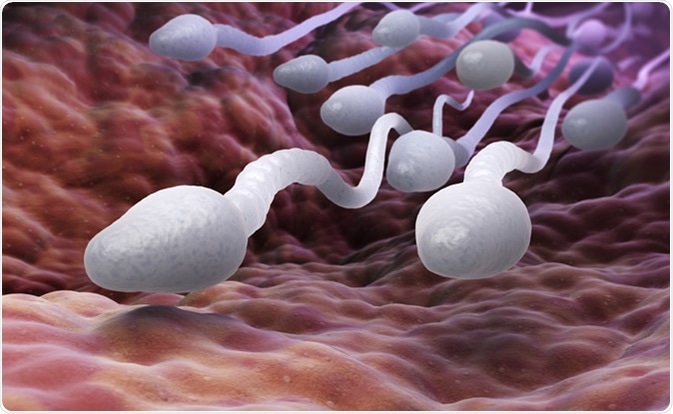
JAMA. Published online June 17, 2021. doi:10.1001/jama.2021.9976
Two mRNA vaccines, BNT162b2 (Pfizer-BioNTech) and mRNA-1273 (Moderna), received Emergency Use Authorization from the US Food and Drug Administration. Despite high efficacy and few adverse events found in clinical trials, only 56% of individuals in the US reported wanting to receive the vaccine. One of the reasons for vaccine hesitancy is the potential negative effect on fertility. Because reproductive toxicity was not evaluated in the clinical trials and SARS-CoV-2 has been associated with decreases in sperm parameters, we assessed sperm parameters before and after mRNA vaccine administration.
This single-center prospective study at the University of Miami recruited healthy volunteers aged 18 to 50 years scheduled for mRNA COVID-19 vaccine through flyers posted throughout the university hospital and internal listserve emails. The University of Miami institutional review board approved the study and written informed consent was obtained from all participants.
Men were prescreened to ensure they had no underlying fertility issues. Those with COVID-19 symptoms or a positive test result within 90 days were excluded. Participants provided a semen sample after 2 to 7 days of abstinence, prior to receiving the first vaccine dose and approximately 70 days after the second. Semen analyses were performed by trained andrologists per World Health Organization guidelines and included semen volume, sperm concentration, sperm motility, and total motile sperm count (TMSC). Individuals with oligospermia (sperm concentration <15 million/mL) were included. After calculating data distribution on normality test, medians and interquartile ranges (IQRs) were reported for all variables. Wilcoxon rank sum test was used to compare pre- and postvaccination semen parameters. Change in TMSC is presented graphically. Statistical analysis was performed with SPSS version 24 (IBM). A 2-tailed P value less than .05 was considered statistically significant.
Results
Between December 17, 2020, and January 12, 2021, 45 men volunteered (median age, 28 years [IQR, 25-31]); follow-up samples were obtained at a median of 75 days (IQR, 70-86) after the second dose. The study ended on April 24, 2021. Baseline samples were obtained after a median abstinence period of 2.8 days (IQR, 2-3) and follow-up samples after a median of 3 days (IQR, 3-4). Of the 45 men, 21 (46.7%) received BNT162b2 and 24 (53.3%) received mRNA-1273. Baseline sperm concentration and TMSC were 26 million/mL (IQR, 19.5-34) and 36 million (IQR, 18-51), respectively. After the second vaccine dose, the median sperm concentration significantly increased to 30 million/mL (IQR, 21.5-40.5; P = .02) and the median TMSC to 44 million (IQR, 27.5-98; P = .001). Semen volume and sperm motility also significantly increased (Table).
Eight of the 45 men were oligospermic before the vaccine (median concentration, 8.5 million/mL [IQR, 5.1-12]). Of these 8, 7 men had increased sperm concentration to normozoospermic range at follow-up (median concentration, 22 million/mL [IQR, 17-25.5]), and 1 man remained oligospermic. No man became azoospermic after the vaccine.
The waterfall plot shows the within-participant change in TMSC from baseline (range, −22 million to 93 million) for each man (Figure).
Methods
This single-center prospective study at the University of Miami recruited healthy volunteers aged 18 to 50 years scheduled for mRNA COVID-19 vaccine through flyers posted throughout the university hospital and internal listserve emails. The University of Miami institutional review board approved the study and written informed consent was obtained from all participants.
Men were prescreened to ensure they had no underlying fertility issues. Those with COVID-19 symptoms or a positive test result within 90 days were excluded. Participants provided a semen sample after 2 to 7 days of abstinence, prior to receiving the first vaccine dose and approximately 70 days after the second. Semen analyses were performed by trained andrologists per World Health Organization guidelines and included semen volume, sperm concentration, sperm motility, and total motile sperm count (TMSC). Individuals with oligospermia (sperm concentration <15 million/mL) were included. After calculating data distribution on normality test, medians and interquartile ranges (IQRs) were reported for all variables. Wilcoxon rank sum test was used to compare pre- and postvaccination semen parameters. Change in TMSC is presented graphically. Statistical analysis was performed with SPSS version 24 (IBM). A 2-tailed P value less than .05 was considered statistically significant.
Results
Between December 17, 2020, and January 12, 2021, 45 men volunteered (median age, 28 years [IQR, 25-31]); follow-up samples were obtained at a median of 75 days (IQR, 70-86) after the second dose. The study ended on April 24, 2021. Baseline samples were obtained after a median abstinence period of 2.8 days (IQR, 2-3) and follow-up samples after a median of 3 days (IQR, 3-4). Of the 45 men, 21 (46.7%) received BNT162b2 and 24 (53.3%) received mRNA-1273. Baseline sperm concentration and TMSC were 26 million/mL (IQR, 19.5-34) and 36 million (IQR, 18-51), respectively. After the second vaccine dose, the median sperm concentration significantly increased to 30 million/mL (IQR, 21.5-40.5; P = .02) and the median TMSC to 44 million (IQR, 27.5-98; P = .001). Semen volume and sperm motility also significantly increased (Table).
Eight of the 45 men were oligospermic before the vaccine (median concentration, 8.5 million/mL [IQR, 5.1-12]). Of these 8, 7 men had increased sperm concentration to normozoospermic range at follow-up (median concentration, 22 million/mL [IQR, 17-25.5]), and 1 man remained oligospermic. No man became azoospermic after the vaccine.
The waterfall plot shows the within-participant change in TMSC from baseline (range, −22 million to 93 million) for each man (Figure).
Discussion
In this study of sperm parameters before and after 2 doses of a COVID-19 mRNA vaccine, there were no significant decreases in any sperm parameter among this small cohort of healthy men. Because the vaccines contain mRNA and not the live virus, it is unlikely that the vaccine would affect sperm parameters. While these results showed statistically significant increases in all sperm parameters, the magnitude of change is within normal individual variation and may be influenced by regression to the mean. Additionally, the increase may be due to the increased abstinence time before the second sample. Men with oligospermia did not experience further decline.
The limitations of the study include the small number of men enrolled; limited generalizability beyond young, healthy men; short follow-up; and lack of a control group. In addition, while semen analysis is the foundation of male fertility evaluation, it is an imperfect predictor of fertility potential. Despite this, the study’s time frame encompasses the full life cycle of sperm.
Friday, June 4, 2021
naked science
кусок отсюда
Конец XIX – начало XX века стали эрой не только промышленной, но и частично вытекающей из нее сексуальной революции. Набирало обороты движение суфражисток: женщину, наконец, объявляют «человеком» [таки: другом человека] и предоставляют ей права. Вместе с правами на свободу слова она получает право на свободу проявления своей сексуальности. Особенно ярко это проявляется в революционной России.
Идеолог сексуальной свободы Александра Коллонтай считает, что сексуальные потребности отныне должны удовлетворяться подобно жажде – не стоит делать из них «священную корову». На основе этой идеологии сразу после государственного переворота в России появляется общество «Долой стыд» и знаменитая теория стакана воды. Большевики объявляют любовь условностью, а брак и флирт – пережитками буржуазной эпохи. Гомосексуалы и лесбиянки более не считаются изгоями. Выступление общества «Долой стыд» / ©ex-press.by
Но очень скоро, особенно с приходом к власти Сталина, нравы ужесточаются. До крайностей не доходит: женщина все же «остается» человеком (по крайней мере, на уровне деклараций), но сексуальная распущенность пресекается. После смерти вождя народов ситуация немного смягчается, но не сильно – нетрадиционный секс вроде орального и гомосексуального порицаются, как и соитие до брака. В конце 1980-х в обиход даже входит фраза (искаженная от первоначальной) из советско-американского телемоста Владимира Познера и Фила Донахью – «в СССР секса нет», – которая будто бы характеризует ту эпоху.
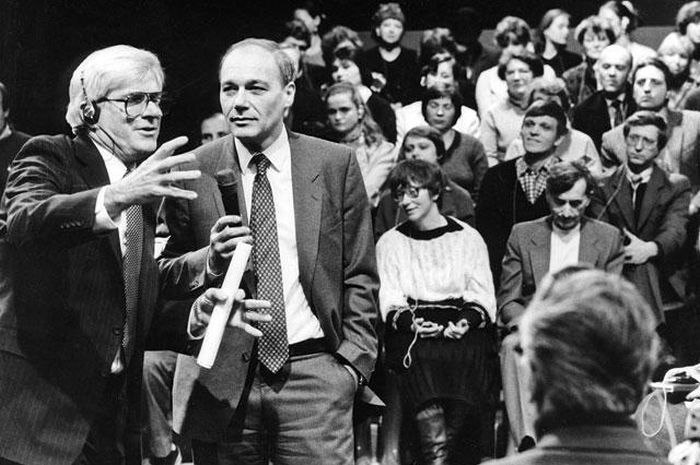
Cоветско-американский телемост Владимира Познера и Фила Донахью / ©pozneronline.ru
Развал Страны Советов сорвал последнюю крышку с бурлящего котла освобожденных нравов советских людей. Сексуальность отныне льется отовсюду – прежде всего с экранов телевизоров. Взоры обращаются на «вольный духом» Запад (где в 1970-х сексуальность одержала сокрушительную победу над строгой моралью), и в 1990-х в России проходит волна тотальной сексуальной революции, частично продолжающаяся поныне. Правда, до конца она в нашей стране и государствах бывшего СССР все же не победила: это выражается в общественном порицании гомосексуальности и периодических возгласах о запрете абортов и «моральной распущенности».
XXI век: назад в будущее

Движение маятника закономерно – история циклична, в том числе, как видим, история сексуальных революций. Если в 1990-х был взрыв – по логике должно наступить постепенное снижение интереса к сексу в обществе. И отчасти мы уже наблюдаем такую тенденцию, в том числе в женской моде, которую, как известно, диктует Европа. Моду, кстати, нельзя недооценивать: она служит выражением настроений в обществе, а также свободы или, наоборот, закрепощенности нравов. Так, уже несколько лет «в тренде» не короткие и яркие наряды «в облипку», столь популярные в 1990-е, а женская одежда свободного и широкого кроя сдержанных цветов. Историки моды даже ассоциируют ее с восточным колоритом, подразумевая под этим и пуританские нравы Востока [новая городская легенда?].
Сексуальная контрреволюция, как ни странно, выражается и в настроениях феминисток (не говоря уже об ультраправых движениях). Последние призывают к запрету проституции, а с ней и к тому, чтобы перестать видеть в женщине объект (секс-машину или кухарку), а не субъект (человека, личность). Такие тенденции уже добрались до России и становятся весьма популярными среди молодежи, а также более взрослого поколения.
У истории под юбкой: почему происходят сексуальные революции
автор = Ольга ИвановаКонец XIX – начало XX века стали эрой не только промышленной, но и частично вытекающей из нее сексуальной революции. Набирало обороты движение суфражисток: женщину, наконец, объявляют «человеком» [таки: другом человека] и предоставляют ей права. Вместе с правами на свободу слова она получает право на свободу проявления своей сексуальности. Особенно ярко это проявляется в революционной России.
Идеолог сексуальной свободы Александра Коллонтай считает, что сексуальные потребности отныне должны удовлетворяться подобно жажде – не стоит делать из них «священную корову». На основе этой идеологии сразу после государственного переворота в России появляется общество «Долой стыд» и знаменитая теория стакана воды. Большевики объявляют любовь условностью, а брак и флирт – пережитками буржуазной эпохи. Гомосексуалы и лесбиянки более не считаются изгоями.
Выступление общества «Долой стыд» / ©ex-press.byНо очень скоро, особенно с приходом к власти Сталина, нравы ужесточаются. До крайностей не доходит: женщина все же «остается» человеком (по крайней мере, на уровне деклараций), но сексуальная распущенность пресекается. После смерти вождя народов ситуация немного смягчается, но не сильно – нетрадиционный секс вроде орального и гомосексуального порицаются, как и соитие до брака. В конце 1980-х в обиход даже входит фраза (искаженная от первоначальной) из советско-американского телемоста Владимира Познера и Фила Донахью – «в СССР секса нет», – которая будто бы характеризует ту эпоху.
Cоветско-американский телемост Владимира Познера и Фила Донахью / ©pozneronline.ru
Развал Страны Советов сорвал последнюю крышку с бурлящего котла освобожденных нравов советских людей. Сексуальность отныне льется отовсюду – прежде всего с экранов телевизоров. Взоры обращаются на «вольный духом» Запад (где в 1970-х сексуальность одержала сокрушительную победу над строгой моралью), и в 1990-х в России проходит волна тотальной сексуальной революции, частично продолжающаяся поныне. Правда, до конца она в нашей стране и государствах бывшего СССР все же не победила: это выражается в общественном порицании гомосексуальности и периодических возгласах о запрете абортов и «моральной распущенности».
XXI век: назад в будущее
Движение маятника закономерно – история циклична, в том числе, как видим, история сексуальных революций. Если в 1990-х был взрыв – по логике должно наступить постепенное снижение интереса к сексу в обществе. И отчасти мы уже наблюдаем такую тенденцию, в том числе в женской моде, которую, как известно, диктует Европа. Моду, кстати, нельзя недооценивать: она служит выражением настроений в обществе, а также свободы или, наоборот, закрепощенности нравов. Так, уже несколько лет «в тренде» не короткие и яркие наряды «в облипку», столь популярные в 1990-е, а женская одежда свободного и широкого кроя сдержанных цветов. Историки моды даже ассоциируют ее с восточным колоритом, подразумевая под этим и пуританские нравы Востока [новая городская легенда?].
Сексуальная контрреволюция, как ни странно, выражается и в настроениях феминисток (не говоря уже об ультраправых движениях). Последние призывают к запрету проституции, а с ней и к тому, чтобы перестать видеть в женщине объект (секс-машину или кухарку), а не субъект (человека, личность). Такие тенденции уже добрались до России и становятся весьма популярными среди молодежи, а также более взрослого поколения.
Monday, April 12, 2021
Plaisir et fidélité : la sexualité de la génération du millénaire en Italie
Published on N-IUSSP.ORG April 12, 2021
Gianpiero Dalla Zuanna, Daniele Vignoli
Sexual intercourse is starting earlier than before among Italian adolescents, whose behaviour is converging towards the norms of their European peers. As noted by Gianpiero Dalla Zuanna and Daniele Vignoli, this precocity and the growing importance attached to romantic love are not affected by either the intense material and symbolic exchanges with parents or the (increasingly) delayed transition to adulthood.
Recent studies comparing different aspects of youth sexuality between countries and over time are relatively rare. In Italy, for instance, the latest national research based on a large statistical sample dates back to 2006 (Barbagli et al. 2010). The Sexual and Emotional Life of Youths (SELFY) survey—coordinated by Marcantonio Caltabiano, Gianpiero Dalla Zuanna, Alessandra Minello and Daniele Vignoli—aims to fill this gap, at least in part (Minello et al. 2020).
In 2017, a questionnaire was administered to 8,000 economics and statistics undergraduates, born around 1998, at 28 Italian universities. SELFY replicates an identical survey, Sexuality of Italian Students (SIS), conducted in 2000, in which 5,000 economics and statistics students born around 1980 self-completed the same closed-ended questionnaire during an hour of class time. The comparison between SIS and SELFY sheds light on many aspects of the emotional and sexual behaviour of contemporary Italian youth. The main findings are presented in a recent publication (Dalla Zuanna and Vignoli 2021), and summarized below.
Sex is more important in the lives of millennials than it was among their parents and older siblings, and the emotional experiences of adolescents have become sexualized. For half of the students in all Italian regions, first sexual intercourse takes place before their 18th birthday, one or two years earlier than their parents, and only a small fraction of students are still virgins on their 21st birthday. The frequency of sexual intercourse has also increased. Discussing sex with friends and exchanging explicit erotic images via smartphone or computer is more common, and fewer young people consider virginity and chastity to be important values. It is also likely that all these behaviours and attitudes are more strongly sexualized in the population as a whole, as the students of the SIS and SELFY surveys are less sexually precocious and have less intense sexual lives than their peers (Minello et al. 2020).
These changes are consistent with the trends observed in the generations of the millennials’ grandparents, parents, and older siblings, and in Northern and Central Europe (Barbagli et al. 2010, 297; Kontula 2009; Mercer 2013). The sexual debut of Italian youth no longer occurs at a later age than their European peers, and differences between the Italian regions have narrowed considerably. Other internal differences within the Italian population have also diminished, starting with religiosity, until recently a strongly discriminating factor (Barbagli et al. 2010, chap. 9). Not only has the religious practice of young people decreased drastically over the last twenty years, but many millennials close to the church also behave similarly to non-religious people, no longer attaching importance to chastity or seeing sexuality solely in terms of its reproductive function. This process of convergence—across the countries of Europe and across different social groups and territories within Italy—is similar to that observed for other components of the Second Demographic Transition such as nonmarital cohabitation and childbearing (Lesthaeghe 2020).
Less obvious is the revival of romantic love in the context of intimate relationships. There are several signs of this new trend. Being unfaithful is rarer among millennials than among previous generations, and the vast majority of surveyed students believe that infidelity is incompatible with being in a couple. Frequency of sexual intercourse is much higher among couples than among singles. Both single men and women who are no longer virgins practice casual intercourse, but only a small minority of singles adopt casual sex as a lifestyle. Compared to previous generations, the average annual number of partners has decreased in the first stages of sexual life.
While single non-virgins are, on average, sexually dissatisfied, almost all of those in a relationship report being sexually satisfied. In short, in the first years of sexual life, millennials do not assign a predominantly hedonistic meaning to sexuality as may have been the case among older male generations (Barbagli et al. 2010, 296). On the contrary, in their emotional lives, sex and love are closely interrelated from the moment of first sexual intercourse.
Both in Italy and elsewhere in Europe (Kontula 2009, chap. 8), the revival of romantic love seems to be part of a more general revolution in intimacy. One of the key changes in contemporary intimate life is the emphasis placed on attraction between partners as the constitutive basis of the couple relationship, which goes hand in hand with the de-institutionalization of the relationship itself (Van de Kaa 1987). This emphasis is also the basis of other features of the Second Demographic Transition, such as the disappearance of arranged marriages, the spread of cohabitation, extra-nuptial births, and union dissolution. If mutual attraction is a precondition for the very existence of a couple relationship, everything else takes a back seat: “If we love each other, what is the point of getting married?” “If we don’t love each other anymore, what’s the point of being together?” and so on. Even if marriage represents a distinct arrangement as compared to cohabitation due to its higher level of commitment, infidelity becomes difficult to justify, irrespective of the type of union, because it testifies to a weakening or lack of mutual attraction. Sex with occasional partners also loses much of its charm because physical attraction is only one of the components of attraction between partners, necessary but not sufficient to achieve complete sexual satisfaction.
What is the place of sexuality in the larger context of emerging adulthood in Italy (Arnett 2014)? In many ways, the sexual behavior of young Italians is converging with that of their European peers, similarly to what is happening in other aspects of the Second Demographic Transition, such as the practice of living together before (or instead of) getting married, or having children outside marriage (Pirani and Vignoli 2016).
In our book (Dalla Zuanna and Vignoli 2021), we also show that the sexuality and attachment to romantic love of Italian adolescents, whose behavior is converging towards the norms of their European peers, is not affected by either the tradition of strong material and symbolic family bonds, which persists, or the postponement of independent living that characterizes emerging adulthood in the Bel Paese. любопытно: в РФ (и др.местах) ситуёвина противо по ложная
Pleasure and fidelity: Italian millennials and sex
Gianpiero Dalla Zuanna, Daniele Vignoli
Sexual intercourse is starting earlier than before among Italian adolescents, whose behaviour is converging towards the norms of their European peers. As noted by Gianpiero Dalla Zuanna and Daniele Vignoli, this precocity and the growing importance attached to romantic love are not affected by either the intense material and symbolic exchanges with parents or the (increasingly) delayed transition to adulthood.
Recent studies comparing different aspects of youth sexuality between countries and over time are relatively rare. In Italy, for instance, the latest national research based on a large statistical sample dates back to 2006 (Barbagli et al. 2010). The Sexual and Emotional Life of Youths (SELFY) survey—coordinated by Marcantonio Caltabiano, Gianpiero Dalla Zuanna, Alessandra Minello and Daniele Vignoli—aims to fill this gap, at least in part (Minello et al. 2020).
In 2017, a questionnaire was administered to 8,000 economics and statistics undergraduates, born around 1998, at 28 Italian universities. SELFY replicates an identical survey, Sexuality of Italian Students (SIS), conducted in 2000, in which 5,000 economics and statistics students born around 1980 self-completed the same closed-ended questionnaire during an hour of class time. The comparison between SIS and SELFY sheds light on many aspects of the emotional and sexual behaviour of contemporary Italian youth. The main findings are presented in a recent publication (Dalla Zuanna and Vignoli 2021), and summarized below.
The sexualization of adolescence
Sex is more important in the lives of millennials than it was among their parents and older siblings, and the emotional experiences of adolescents have become sexualized. For half of the students in all Italian regions, first sexual intercourse takes place before their 18th birthday, one or two years earlier than their parents, and only a small fraction of students are still virgins on their 21st birthday. The frequency of sexual intercourse has also increased. Discussing sex with friends and exchanging explicit erotic images via smartphone or computer is more common, and fewer young people consider virginity and chastity to be important values. It is also likely that all these behaviours and attitudes are more strongly sexualized in the population as a whole, as the students of the SIS and SELFY surveys are less sexually precocious and have less intense sexual lives than their peers (Minello et al. 2020).
These changes are consistent with the trends observed in the generations of the millennials’ grandparents, parents, and older siblings, and in Northern and Central Europe (Barbagli et al. 2010, 297; Kontula 2009; Mercer 2013). The sexual debut of Italian youth no longer occurs at a later age than their European peers, and differences between the Italian regions have narrowed considerably. Other internal differences within the Italian population have also diminished, starting with religiosity, until recently a strongly discriminating factor (Barbagli et al. 2010, chap. 9). Not only has the religious practice of young people decreased drastically over the last twenty years, but many millennials close to the church also behave similarly to non-religious people, no longer attaching importance to chastity or seeing sexuality solely in terms of its reproductive function. This process of convergence—across the countries of Europe and across different social groups and territories within Italy—is similar to that observed for other components of the Second Demographic Transition such as nonmarital cohabitation and childbearing (Lesthaeghe 2020).
The revival of romantic love
Less obvious is the revival of romantic love in the context of intimate relationships. There are several signs of this new trend. Being unfaithful is rarer among millennials than among previous generations, and the vast majority of surveyed students believe that infidelity is incompatible with being in a couple. Frequency of sexual intercourse is much higher among couples than among singles. Both single men and women who are no longer virgins practice casual intercourse, but only a small minority of singles adopt casual sex as a lifestyle. Compared to previous generations, the average annual number of partners has decreased in the first stages of sexual life.
While single non-virgins are, on average, sexually dissatisfied, almost all of those in a relationship report being sexually satisfied. In short, in the first years of sexual life, millennials do not assign a predominantly hedonistic meaning to sexuality as may have been the case among older male generations (Barbagli et al. 2010, 296). On the contrary, in their emotional lives, sex and love are closely interrelated from the moment of first sexual intercourse.
Both in Italy and elsewhere in Europe (Kontula 2009, chap. 8), the revival of romantic love seems to be part of a more general revolution in intimacy. One of the key changes in contemporary intimate life is the emphasis placed on attraction between partners as the constitutive basis of the couple relationship, which goes hand in hand with the de-institutionalization of the relationship itself (Van de Kaa 1987). This emphasis is also the basis of other features of the Second Demographic Transition, such as the disappearance of arranged marriages, the spread of cohabitation, extra-nuptial births, and union dissolution. If mutual attraction is a precondition for the very existence of a couple relationship, everything else takes a back seat: “If we love each other, what is the point of getting married?” “If we don’t love each other anymore, what’s the point of being together?” and so on. Even if marriage represents a distinct arrangement as compared to cohabitation due to its higher level of commitment, infidelity becomes difficult to justify, irrespective of the type of union, because it testifies to a weakening or lack of mutual attraction. Sex with occasional partners also loses much of its charm because physical attraction is only one of the components of attraction between partners, necessary but not sufficient to achieve complete sexual satisfaction.
Becoming adults
What is the place of sexuality in the larger context of emerging adulthood in Italy (Arnett 2014)? In many ways, the sexual behavior of young Italians is converging with that of their European peers, similarly to what is happening in other aspects of the Second Demographic Transition, such as the practice of living together before (or instead of) getting married, or having children outside marriage (Pirani and Vignoli 2016).
In our book (Dalla Zuanna and Vignoli 2021), we also show that the sexuality and attachment to romantic love of Italian adolescents, whose behavior is converging towards the norms of their European peers, is not affected by either the tradition of strong material and symbolic family bonds, which persists, or the postponement of independent living that characterizes emerging adulthood in the Bel Paese.

References
- Arnett, J.J. 2014 Emerging adulthood: the winding road from the late teens through the twenties, Oxford, Oxford University Press.
- Barbagli, M., Dalla Zuanna, G. and Garelli, F. 2010 La sessualità degli italiani, Bologna, Il Mulino.
- Billari, F.C., Caltabiano, M. and Dalla Zuanna, G. (a cura di) 2007 Sexual and affective behaviour of students. An international research, Padova. Cleup.
- Dalla Zuanna, G. and Vignoli, D. 2021 Piacere e fedeltà. I millennials italiani e il sesso, Bologna, il Mulino.
- Kontula, O. 2009 Between sexual desire and reality. The evolution of sex in Finland, Helsinky, Publications of the Population Research Institute, D49.
- Lesthaeghe, R. 2020 The second demographic transition, 1986–2020: sub-replacement fertility and rising cohabitation – a global update, Genus, 76, 10: on-line.
- Mercer, C.H. et al. 2013 Changes in sexual attitudes and lifestyles in Britain through the life course and over time: findings from the National Surveys of Sexual Attitudes and Lifestyles (Natsal), Lancet, 382: 1781-1794.
- Minello, A., Caltabiano, M., Dalla Zuanna, G. and Vignoli, D. 2020 Catching up! The sexual behaviour and opinions of Italian students (2000-2017), Genus, 76, 16: on-line.
- Pirani, E. and Vignoli, D. (2016). Changes in the satisfaction of cohabitors relative to spouses over time, Journal of Marriage and Family, 78(3): 598-609.
- Van de Kaa, D.J. 1987 Europe’s second demographic transition, Population Bulletin, 42(1): 1-57.
Wednesday, March 10, 2021
it is not working today
Объективируй меня
Идея о том, что сексуальная объективация — это проявление неуважения к личности и вообще очень плохо, сегодня стала общим местом. Вопреки тренду секс-колумнист Ольга Нечаева рассказывает, когда и почему объективизация нам просто необходима

Иллюстрация: Маша Млекопитаева [фамилия — зачотная]
Тут много ссылок, надеюсь, они работают, по кр мере мои, ещё советую каменты к статейке
Одно из новейших исследований, которое я нашла, работая над текстом об отношении к собственному телу, вывело три основных эмоциональных составляющих, необходимых для появления сексуального желания у женщины:
Близость, которая включает в себя чувства влюбленности, глубины контакта, «ожидание понимания, выраженной заботы и поддержки».
Обособленность. Чувство автономии, дистанции, невозможности полного слияния. Казалось бы, оно противоположно близости, однако именно в этом парадоксе и заключается сила притяжения. Об этом писали многие авторы, например, психотерапевт Полли Янг-Эйзендра [та, или не та?] в своей книге Love Between Equals: Relationships as a Spiritual Path («Любовь между равными: отношения как духовный путь»), психоаналитик Адам Филипп [это, видимо, не тот, уж очень на Маркса смахивает и на одного знакомого] в книге Missing Out («Что мы упускаем») и, конечно, психотерапевт и секс-терапевт Эстер Перел, которая в бестселлере Mating In Captivity: unlocking erotic intelligence («Размножение в неволе. Как примирить эротику и быт») пишет: «Вместо того, чтобы видеть противоречие между близостью и отдельностью как проблему, которую нужно решить, увидьте это как парадокс, с которым нужно научиться жить».
И… объективизация. Да, согласно результатам исследования, именно ощущение себя объектом желания и страсти имеет наибольшее значение, когда речь идет о сексуальном желании.
Как совместить это с идеей, доказанной сотней исследований и книг, что объективация (дегуманизация) человека до тела, сексуального объекта — это во всех смыслах плохая штука. Объективация заставляет самообъективировать, нарушает контакт с собственным телом, вызывает повышение тревоги, депрессии, обижает, в конце концов. Одно из последних исследований, касающееся объективации в романтических отношениях, рисует грустную картину: «Мужчины, которые часто рассматривают тело своей партнерши, чаще склонны принуждать женщину к сексу».
Но разве не любой сексуальный партнер «часто рассматривает тело партнерши»?
Еще в 2012 году актриса Кэмерон Диас подверглась критике за высказывание: «Я думаю, каждая женщина хочет, чтобы ее объективировали. Мне кажется, небольшая часть каждой из нас мечтает быть немного объективированной». Не одно копье феминистских войн сломано на этой теме: женщина на каблуках и сексуально одетая — она объективированная жертва патриархата или свободная личность, демонстрирующая свою сексуальность?
Крайне интересное исследование было опубликовано в журнале Journal of Personality and Social Psychology в 2011 году. Исследователи показали, что в момент объективации мы более сосредоточены на переживаниях тела, чем на решениях мозга. Сосредоточение на теле позволяет «более остро чувствовать боль, удовольствие, желание, физические ощущения и эмоции, однако уменьшает способность к целенаправленности (агентности)». Иными словами, мы сосредотачиваемся на переживании, а не на достижении.
Может ли это быть ключом к «хорошей» объективации? Не той, которая предполагает «впендюрить», по методу поручика Ржевского, а той, в которой мы сходим с ума от ямочек на щеках партнера или губ партнерши, той, в которой я достаточно целостна и достаточно уверена в отношении партнера, чтобы не бояться обнаружить, что кроме ума и личности у меня еще есть тело.
«Сексуальное желание не подчиняется законам, которые поддерживают мир и спокойствие в паре. Разум, понимание, сострадание и товарищество — часть близких, гармоничных отношений. Но секс приносит страстную одержимость, а не продуманные решения, неутолимое желание, а не альтруистическое внимание. Агрессия, объективация и власть прячутся в тени желания, являются составляющими страсти и необязательно взращивают близость. Желание живет по собственной воле», — пишет Эстер Перел.
Я пытаюсь представить себе секс, в котором мое тело не рассматривают. В котором я сама, как героиня сериала Fleabag, не проваливаюсь в мелкие обсессивные фетиши: «О, эти плечи, о, эта шея!» В котором мужчина не смотрит на меня тем самым взглядом, случайно обнаруживая отсутствие белья под юбкой.
Я пытаюсь представить себе секс без элементов объективации вообще. И единственное, что у меня получается, — это медленное и нежное занятие любовью с бесконечным взглядом глаза в глаза, в котором читается «я люблю тебя, уважаю всю твою личность, горжусь твоими успехами и ценю твое чувство юмора». Это все, конечно, здорово, но так кровать не сломаешь.
Иногда мозгу хорошо передохнуть. Сложно чувствовать себя сексуальной, если думаешь о детях, ипотеке, о том, не нагадит ли в тапочки кот и как развернуть тему объективации в следующей колонке. Помнится, один мой любовник, отирая пот со лба после шести часов изматывающей оргии, поднял на мое внезапное «слушай, я тут подумала…» ошарашенные глаза: «Тебя вообще можно как-то довести до состояния, чтобы ты перестала думать?» — «Определи термин "думать"», — бодро ответила я, ныряя под одеяло.
В отсутствие сдерживающих факторов мой мозг, как вырвавшийся на свободу маньяк, бесконечно и опасно активен. Пока я из ничего не организовала салат, драму и политическую партию, я буду снимать и разбрасывать на полу юбки, чулки, лифчики, богатый жизненный опыт, гуманистические ценности, таланты, начитанность и знания языков, а голову оставлю на вешалке в прихожей.
Иди сюда, милый, давай займемся взаимной объективацией.
Одно из новейших исследований, которое я нашла, работая над текстом об отношении к собственному телу, вывело три основных эмоциональных составляющих, необходимых для появления сексуального желания у женщины:
Близость, которая включает в себя чувства влюбленности, глубины контакта, «ожидание понимания, выраженной заботы и поддержки».
Обособленность. Чувство автономии, дистанции, невозможности полного слияния. Казалось бы, оно противоположно близости, однако именно в этом парадоксе и заключается сила притяжения. Об этом писали многие авторы, например, психотерапевт Полли Янг-Эйзендра [та, или не та?] в своей книге Love Between Equals: Relationships as a Spiritual Path («Любовь между равными: отношения как духовный путь»), психоаналитик Адам Филипп [это, видимо, не тот, уж очень на Маркса смахивает и на одного знакомого] в книге Missing Out («Что мы упускаем») и, конечно, психотерапевт и секс-терапевт Эстер Перел, которая в бестселлере Mating In Captivity: unlocking erotic intelligence («Размножение в неволе. Как примирить эротику и быт») пишет: «Вместо того, чтобы видеть противоречие между близостью и отдельностью как проблему, которую нужно решить, увидьте это как парадокс, с которым нужно научиться жить».
И… объективизация. Да, согласно результатам исследования, именно ощущение себя объектом желания и страсти имеет наибольшее значение, когда речь идет о сексуальном желании.
Как совместить это с идеей, доказанной сотней исследований и книг, что объективация (дегуманизация) человека до тела, сексуального объекта — это во всех смыслах плохая штука. Объективация заставляет самообъективировать, нарушает контакт с собственным телом, вызывает повышение тревоги, депрессии, обижает, в конце концов. Одно из последних исследований, касающееся объективации в романтических отношениях, рисует грустную картину: «Мужчины, которые часто рассматривают тело своей партнерши, чаще склонны принуждать женщину к сексу».
Но разве не любой сексуальный партнер «часто рассматривает тело партнерши»?
Еще в 2012 году актриса Кэмерон Диас подверглась критике за высказывание: «Я думаю, каждая женщина хочет, чтобы ее объективировали. Мне кажется, небольшая часть каждой из нас мечтает быть немного объективированной». Не одно копье феминистских войн сломано на этой теме: женщина на каблуках и сексуально одетая — она объективированная жертва патриархата или свободная личность, демонстрирующая свою сексуальность?
Крайне интересное
 исследование было опубликовано в журнале Journal of Personality and Social Psychology в 2011 году. Исследователи показали, что в момент объективации мы более сосредоточены на переживаниях тела, чем на решениях мозга. Сосредоточение на теле позволяет «более остро чувствовать боль, удовольствие, желание, физические ощущения и эмоции, однако уменьшает способность к целенаправленности (агентности)». Иными словами, мы сосредотачиваемся на переживании, а не на достижении.
Может ли это быть ключом к «хорошей» объективации? Не той, которая предполагает «впендюрить», по методу поручика Ржевского, а той, в которой мы сходим с ума от ямочек на щеках партнера или губ партнерши, той, в которой я достаточно целостна и достаточно уверена в отношении партнера, чтобы не бояться обнаружить, что кроме ума и личности у меня еще есть тело.
«Сексуальное желание не подчиняется законам, которые поддерживают мир и спокойствие в паре. Разум, понимание, сострадание и товарищество — часть близких, гармоничных отношений. Но секс приносит страстную одержимость, а не продуманные решения, неутолимое желание, а не альтруистическое внимание. Агрессия, объективация и власть прячутся в тени желания, являются составляющими страсти и необязательно взращивают близость. Желание живет по собственной воле», — пишет Эстер Перел.
Я пытаюсь представить себе секс, в котором мое тело не рассматривают. В котором я сама, как героиня сериала Fleabag, не проваливаюсь в мелкие обсессивные фетиши: «О, эти плечи, о, эта шея!» В котором мужчина не смотрит на меня тем самым взглядом, случайно обнаруживая отсутствие белья под юбкой.
Я пытаюсь представить себе секс без элементов объективации вообще. И единственное, что у меня получается, — это медленное и нежное занятие любовью с бесконечным взглядом глаза в глаза, в котором читается «я люблю тебя, уважаю всю твою личность, горжусь твоими успехами и ценю твое чувство юмора». Это все, конечно, здорово, но так кровать не сломаешь.
Иногда мозгу хорошо передохнуть. Сложно чувствовать себя сексуальной, если думаешь о детях, ипотеке, о том, не нагадит ли в тапочки кот и как развернуть тему объективации в следующей колонке. Помнится, один мой любовник, отирая пот со лба после шести часов изматывающей оргии, поднял на мое внезапное «слушай, я тут подумала…» ошарашенные глаза: «Тебя вообще можно как-то довести до состояния, чтобы ты перестала думать?» — «Определи термин "думать"», — бодро ответила я, ныряя под одеяло.
В отсутствие сдерживающих факторов мой мозг, как вырвавшийся на свободу маньяк, бесконечно и опасно активен. Пока я из ничего не организовала салат, драму и политическую партию, я буду снимать и разбрасывать на полу юбки, чулки, лифчики, богатый жизненный опыт, гуманистические ценности, таланты, начитанность и знания языков, а голову оставлю на вешалке в прихожей.
Иди сюда, милый, давай займемся взаимной объективацией.
Friday, March 5, 2021
standing in a hammock
В гамаке и
Стоя: «Люди думают, что порно — это про сексизм. Просто они не смотрели экспериментальное порно»
В Bookmate Originals вышла аудиоверсия сборника эссе порноактрисы Стои «Философия, порно и котики». По этому случаю мы задали Стое глупые вопросы о том, кому сложнее всего на съемочной площадке и в каких книгах лучшие секс-сцены.

— Какой самый глупый вопрос вам когда-либо задавали?
— Я думаю, самый глупый о том, как можно полностью очиститься перед анальным сексом. Постоянно получаю этот вопрос, но задний проход не так работает.
— Смотрят ли порноактеры порно для удовольствия?
— Некоторые смотрят.

«А как насчет феминистского порно? Возможно ли оно? Не думаю. Больше того, я не уверена, что в условиях капитализма возможен и настоящий феминизм» Стоя «Философия, порно и котики»
— Кому хуже всего приходится на съемочной площадке?
— Как по мне, на производстве труднее всего продюсеру. Следить за всей этой бумажной волокитой мне всегда тяжелее всего.
— Вы стали сами снимать порно. Какое главное различие между тем, чтобы играть в порно, и тем, чтобы снимать его?
— То, что вы называете актерской игрой, я скорее назову шоу. Вот сравнить игру в художественном фильме и участие в порно действительно интересно. Но я это уже делала в своей книге.
— Кому хуже всего приходится на съемочной площадке?
— Как по мне, на производстве труднее всего продюсеру. Следить за всей этой бумажной волокитой мне всегда тяжелее всего.
— Вы стали сами снимать порно. Какое главное различие между тем, чтобы играть в порно, и тем, чтобы снимать его?
— То, что вы называете актерской игрой, я скорее назову шоу. Вот сравнить игру в художественном фильме и участие в порно действительно интересно. Но я это уже делала в своей книге.
«Меня всегда передергивало от термина „порноактриса“. Мне никогда не казалось, что это подходит к тому, что я делаю. Разумеется, некоторые участники порноиндустрии относятся к этому как к актерской игре, но точно не я. Я это скорее воспринимаю как шоу. <…> Сам секс проще всего снимать одним дублем, ведь каждая пауза или остановка снижает накал. Это похоже на спортивный подвиг — вся суть обычно сводится к физической сексуальности, и тут куда важнее то, как работает тело, а не голос. Поэтому съемки в порно я бы скорее сравнила с танцем, чем с актерской игрой» (фрагмент из книги Стои «Философия, порно и котики»).
— Какой самый нелепый стереотип о порно вам приходилось слышать?
— Люди думают, что порно — это всегда про сексизм и плохое отношение к женщинам, но это потому, что они не знакомы с экспериментальным и этичным порно.
— Вы много нового узнали о сексе, когда стали общаться с читателями в своей колонке в Slate или когда завели сайт Zerospaces.com?
— Очень много! Мне писали самые разные читатели: люди с аутизмом, асексуалы, люди, у которых фетиш на определенные стрижки, и даже те, которым нравится сердечно-легочная реанимация, — короче говоря, люди со всеми возможными взглядами и желаниями.
— Если выбирать, то философия, порно или котики?
— Котики.

Коты Стои: беленький — Виджет, рыжий — Пиксель / инстаграм-страница Стои
— Почему ваших котиков зовут Виджет и Пиксель?
— Мой Пиксель похож на хайлайновского Пикселя — котенка из его романа «Кот, проходящий сквозь стены». Он мог так делать, потому что был слишком молод, чтобы знать, что это невозможно. А само имя пошло от «пикселя» — маленькой точки, из которых состоит экран вашего компьютера.
— Какой писатель лучше всех описывает секс?
— Думаю, у Николсона Бейкера лучшие в литературе сцены секса. Они у него с фантазией. Моя любимая — где женщина проникает в мужской член в романе «Пристанище дырок». (По сюжету героиня уменьшается в размерах и оказывается внутри члена героя в прямом смысле слова; чтобы помочь ей оттуда выбраться, он мастурбирует, а она при этом стимулирует его изнутри. — Прим. ред.)
— Почему ваших котиков зовут Виджет и Пиксель?
— Мой Пиксель похож на хайлайновского Пикселя — котенка из его романа «Кот, проходящий сквозь стены». Он мог так делать, потому что был слишком молод, чтобы знать, что это невозможно. А само имя пошло от «пикселя» — маленькой точки, из которых состоит экран вашего компьютера.
— Какой писатель лучше всех описывает секс?
— Думаю, у Николсона Бейкера лучшие в литературе сцены секса. Они у него с фантазией. Моя любимая — где женщина проникает в мужской член в романе «Пристанище дырок». (По сюжету героиня уменьшается в размерах и оказывается внутри члена героя в прямом смысле слова; чтобы помочь ей оттуда выбраться, он мастурбирует, а она при этом стимулирует его изнутри. — Прим. ред.)
Стоя читает книгу Necrophilia Variations («Вариации Некрофилия») автора, выступающего под пседовнимом Supervert (можно перевести как «Суперизвращенец»)
Monday, February 22, 2021
Between the spreadsheets

Between the spreadsheets
The management consultant’s guide to love and sex, by Alice Hines
Feb 20th 2020
Once upon a time, there was a man who thought love was a maths problem.
“Love is a capricious spark, a miraculous whirlwind,” one of his blog posts began, sarcastically. “It is found by following ancient prophecies, embarking on dangerous quests...Something like that, who knows. Anyway, it sounds like finding a girlfriend was crazy hard before computers!”
The man’s name was Jacob. He is currently 32 and works in finance, creating software that helps banks comply with regulations. He has dark curly hair and a beard, a left eyebrow that’s often raised and, in his own words, a “dad bod”. His self-deprecating streak is tempered by optimism. “Growth mindset” is one of his favourite phrases. As in “I’m still not bisexual, but, you know, growth mindset.”
For most of his life Jacob dated only when he’d received clear signs of encouragement from one of the many women he found beautiful or fascinating. In 2013 he moved to New York from North Carolina. Thanks to the volume of people using dating apps, it was suddenly possible to spend each night of the week with a different woman who was already intrigued by his online persona. There was the cheesemaker. The fashion designer. Three different med-school students. Jacob liked them all. On each date, he holidayed in another person’s world and learned something new.
But cumulatively, the experience was overwhelming. Jacob knew he wanted to get serious with someone, but he found it hard to weigh the merits of each of these potential partners against each other. So he did what he knew best: he made a spreadsheet. He called it “How to Choose a Goddess”. When he described this to me, some of the calculations lay beyond my comprehension. But my more quantitatively minded friends seemed impressed when I rattled them off.
Jacob wanted to work out which of the women he’d met online would make the best life partner. He started by listing ideal qualities for a girlfriend, then weighted them as objectively as possible. Great sex, for instance, was worth roughly a third of great conversation, since people typically spend less time doing it. Other categories were peculiar to him. Jacob outlined 15 attributes in total, hoping that by isolating his requirements he could compare them in a systematic way. “Status – friends admire her”, “Will be smart, dedicated mom”, and “Emotional crush” were worth 5, 9 and 6 points respectively. But Jacob still didn’t know if his back-of-the-envelope estimates were right.
At one point he considered using pairwise ranking to assess his hierarchy of priorities and advanced statistics to determine the relative importance of Goddess Qualities. He’d learned these tricks in a business-school class about pricing goods. Ultimately Jacob chose a simpler approach. “A guesstimated number is better than not using numbers at all”, was his motto.
He then scored each woman attribute by attribute, multiplied those numbers by their weights and added the results to get a final score. But there was a problem: Jacob didn’t know what counted as a high enough score to indicate that he should stop dating and settle down. So he devised his own spin on the “Secretary Problem” – an equation typically used to decide what percentage of potential candidates a person should interview for a job. (The classic solution: the greater the size of the pool, the closer the answer tends towards roughly 37%.)
It was strange, but I envied him. All the wine-fuzzy conversations, the uncertainty and speculation, the obsessive close-reading of text messages had been reduced to neat digits. Jacob wasn’t objectifying women by rating their looks, as a pick-up artist might. His scores measured compatibility. And he wasn’t claiming that his system was perfect. The measures in one category, weighted very highly (15!), were entirely speculative – Jacob’s estimate of how much his dates admired him. But despite these imperfections, data were a better guide to ending up with a good match than the conventional wisdom: follow your heart, stick it out when things get tough, love will endure. Emotions were just mysterious cocktails of oxytocin and pheromones, Jacob believed, that could leave you on cloud nine or in jail depending on the luck of the draw.
Jacob is just one of a growing number of people seeking inspiration from business schools rather than poetry in the quest to find the right partner. This hard-headed attitude is evident in the practical turn that romance’s ardent lexicon has taken in recent years. We look for partners, not soulmates. We avoid deal-breakers. “Are you in the right headspace to receive information that might hurt you?” reads a recent meme, advising people to ask loved ones for consent before making demands on their emotional labour.
As Carolyn Yates, a writer and editor in Los Angeles, recently told me, romance is “figuring out in an efficient manner what works between people, just as much as being swept away in feelings”. Yates is polyamorous, queer and takes the pronouns they/them. Their relationships often shift fluidly between romantic, platonic and sexual and they go on a lot of first dates. With partners new and old, Yates takes copious notes in a planner on everything from conversation topics to what they ate and whether the date entailed sex or bondage. The note-taking does feel a bit like work, says Yates, but they reckon it makes them more considerate.
Yates is not the only one who has found that a business-like approach to relationships has made them kinder. Take the polycule – that’s a relationship constellation of three or more people – near Chicago, which recently used Excel to plan an orgy. The day before, participants entered their pronouns, likes, dislikes, boundaries, hard stops, aspirations for the orgy, std status and sexual preferences. This clarity made the experience that followed more “comfortable”, according to one participant.
One New Zealand couple deployed Agile, a project-management system that companies such as Microsoft and Lockheed Martin use to streamline processes across teams, in their marriage. The goal was continuous improvement. They held monthly retrospective meetings, where they reviewed personal successes and failures and set “action points” for the next month-long sprint.
All these people are trying to optimise the process of acquiring a partner and maintaining a relationship. Optimisation grew out of attempts to solve real-world problems with mathematical techniques. People are most likely to have experienced the effects of optimisation in their workplace. Management consultants, for example, used statistics to help companies perform better. In order to maximise a variable, such as profit, they manipulated different inputs, such as the costs of inventory and number of employees. Today, optimisation is regularly applied closer to home in exercise, sleep and diet. If these can now be tracked, quantified and streamlined, perhaps love and sex can be too. Aren’t relationships simply interactions that, with tweaking, could become more efficient and less prone to friction? In other words, aren’t they just a business problem?

For centuries marriage was an economic transaction, a means to exchange property and secure its transmission across generations through the creation of legitimate heirs. In some parts of the world it still is. In the West, love was the domain of pre- or extra-marital affairs: unrequited, temporary, romantic. This last word entered common usage in the Middle Ages in stories about chivalric heroes on quests to woo attractive maidens they encountered on their journeys and then abandoned as the plot moved on. It later became associated with novels (which, in some quarters, were considered a danger to impressionable women). It was only during the Industrial Revolution that romance was injected into marriage. Before then, marriage was essentially a contract between two families. With the rise of wage labour and an industrial economy based outside the home, the domestic sphere was annexed for romance. In some countries this transition happened much later. Love has been allowed to play a larger part in marriage choices of people in China only in the past 40 years. In India, arranged marriages are still the norm, although young people increasingly make the final determination.
The current trend for maximising returns in love, then, is a reversion to the original pragmatic approach. Models of corporate efficiency now govern large swathes of romantic life. About 65% of same-sex couples and 39% of heterosexual couples who got together in America in 2017 met on dating apps, which use algorithms to match them. Jacob was simply taking matters into his own hands. Some, of course, hated this approach. “Can you see why reducing human connection down to a single real number 1-10 is bad? Look in their eyes. Sing songs together. Dance,” commented one person, after reading about the spreadsheet on Jacob’s blog.
People who use spreadsheets, charts and planners to manage their love lives are different from the majority only in their conscious embrace of a fundamental truth – that relationships are transactions, and the work involved in creating and maintaining them is a form of labour. It’s a surprisingly democratic position, much like work itself. The relationship optimisers I interviewed have little in common with each other – they were secular and religious, writers and engineers. Or rather, they often had only one thing in common: they ended up wondering whether more than one relationship was optimal for modern life.
The traditional nuclear family has begun to look dated for many young people. Marriage rates have declined 8% in America in the last ten years (lots of couples no longer bother with a ceremony). Home-ownership is increasingly out of reach for millennials and rent becomes more manageable when split multiple ways. Raising kids often takes more than two people, whether the additional help comes in the form of nannies or relatives. Is co-parenting in a throuple (a relationship involving three partners) really so different? Some 5% of American relationships are consensually non-monogamous, according to research published in 2014 by Chapman University and the University of Michigan. In 2017 the Journal of Sex and Marital Therapy noted that one-fifth of Americans reported engaging in consensual non-monogamy at some point in their lifetime. This proportion was higher among the lgbtq population, but was otherwise constant across age, education level, income, religion, region, political affiliation and race.
Jacob was standing in the stairwell outside an apartment, half naked and holding his clothes, when he first considered dating two people at once. A few minutes before that he’d been in the flat of a classmate on his mba programme at the University of North Carolina. She had invited him over to work on a project, then walked out of her bedroom in her underwear. Jacob was startled. His first impulse was to undress, too. Then he remembered that, in a more sober frame of mind, he’d weighed the pros and cons of cheating and decided against it. Grabbing his clothes in a panic, Jacob fled.
At that point Jacob had been dating a woman for two years who lived thousands of miles away. He met Natasha – this is not her real name and she declined to comment for this article – in Israel, where Jacob’s parents live, when she was visiting from Russia. Jacob says he knew he was in love when they stayed up one night solving probability problems in their underwear. Natasha was on track to becoming a hedge-fund quant. Jacob was applying to business school. Both wanted marriage and kids and to move to America.
Jacob knew that cheating was wrong because lying was wrong. Nonetheless, the situation he found himself in with his business-school classmate seemed perverse – he was rejecting a beautiful and interesting human being who had improbably chosen him, in order to date someone whom he could see only occasionally. A solution dawned on him. The next time he and Natasha met up, Jacob popped the question: what about an open relationship? As it turned out, she had been planning to ask him the same thing.
After graduation, Jacob and Natasha both got finance jobs in New York. They moved in together, signing a lease on a one-bedroom, 18th-floor apartment in a glass tower. They decided to stay open, dating others while loving each other.
The American utopians who coined the phrase “free love” in the 19th century saw their collective approach to sex as part of a political programme that would result in the destruction of capitalism. With non-monogamy, “the frost and ice of selfishness and exclusiveness melted,” wrote one member of the utopian Oneida community, which was established in upstate New York in 1848. (Mormonism had been founded not far away only 18 years earlier.) The community believed that “complex marriage” was divinely ordained. Everyone slept with whomever they liked, but if any pair became too attached, a council of their peers intervened to prevent possessiveness. Child-rearing was collective too. Children were educated never to say “me” or “my” but always “we” and “ours”.
More than a century later, a subsequent generation of free-love advocates – hippies, radical feminists and gay liberationists – drew inspiration from Oneida. These groups believed that monogamy produced individualistic family units, in which unequal gender roles reflected inequality in society at large. Love without limits, it was argued, would dismantle patriarchy along with capitalism.
By the time Jacob opened up his relationship, many of these communities had drifted away from their utopian principles. Today Oneida exists as a manufacturer of high-end homeware. By the 1980s Kerista, a polyamorous commune founded in 1971 in San Francisco, had become a thriving distributor of personal computers.
Today, critics of monogamy rarely argue that it is too individualistic. On the contrary, monogamy is considered insufficiently tailored to the pursuit of personal happiness. “We spend longer than ever selecting the right partner and tie up ever more of our hopes, dreams and identity in the partnership,” Jacob wrote in one blog post. “Almost inevitably, the relationship fails to fulfil its promise.” Monogamy was a conformist approach to love that pre-supposed sacrifice and compromise when perhaps none was required. Non-monogamy, on the other hand, allowed participants to fulfil their needs for romance, friendship, professional support and sexual excitement with different partners. Experimenting with different forms of relationships allowed individuals to discover what worked for them and to customise their ideal arrangement.
The current emphasis on non-monogamy as an expression of personal choice has attracted criticism from some of its historic advocates, who argue that polyamory and other alternative relationship styles should be used to build community and subvert existing power structures. According to Eleanor Wilkinson, a feminist academic, non-monogamy is often presented as a “watered-down, apolitical vision”. Optimising relationships is just another facet of capitalist individualism.
New forms of relationship necessarily make inventive use of the materials that society provides them with, so perhaps it’s inevitable that they have certain corporate overtones. Because non-monogamous relationships also lack legal protections – group marriage is illegal in many countries, and in America you can face legal employment discrimination on the basis of relationship style – participants have to get creative. One option in America is for groups of two or more people to establish a business structure, such as a Limited Liability Company (llc) or a Small Business Corporation (s-Corp), as an alternative to marriage. These enable a throuple, for example, to own property jointly.
Some non-monogamous clients shrink from the “business flavour” of such arrangements, says Ora Prochovnick, a lawyer in San Francisco, whose specialities include contracts and estate planning for non-traditional families. Others find that they spice things up.
Meet Evin, Bunny, Katie and Madeline. Katie (bisexual, she/her) dates Evin (pansexual, he/him) and Bunny (straight, they/them). Evin also dates Madeline (queer, she/her). Neither Evin and Bunny nor Madeline and Katie date, but it’s possible that some of the other people they’ve dated have dated each other. Confused? That’s ok. They sometimes are too, which is why they plan everything.
“At one point, I was literally asking every partner on the same day every week to tell me what days they were available, and which they preferred,” Evin told me. We met last winter at a Christmas bar crawl organised by his local Burning Man group. As a blizzard howled outside, people in Santa outfits passed out home-made toys with playfully demented appendages – a Barbie with a phallic third arm, and stuffed farm animals with several Smurfs emerging out of their sides and rectums.
“I then gave everyone a row in a spreadsheet,” continued Evin, “and each day of the week a column, and coloured the cells in green, yellow and red based on their availability to try to create an optimal schedule wherein I would see each partner the desired number of times.” Evin works as a project manager and took inspiration from work. “It can certainly be seen as a businesslike way to look at things, but the objective is quite the opposite. Scheduling is a significant part of how I try to make sure partners feel respected.”
Planning can be sexy too. Evin and Madeline have a dominant/submissive dynamic in the bedroom, which they extend into everyday life via a productivity app. This pair employ it to reinforce a playful exchange of power whereby Madeline is told by Evin to complete her daily to-do list – taking her psychiatric medication, cleaning her room – in exchange for points and rewards, like a 20-minute back massage or a vacation together. Evin designed the system, but it was Madeline’s idea originally, and she has found it far more helpful than paper planners or other tools she previously tried to help her organise her life. “It makes little everyday things more exciting,” she told me.
Perhaps the most novel technique they employ is a weekly relationship check-in they conceived and dubbed the Six Questions. Every week, Madeline and Evin, and Evin and Katie, enter into Google Docs the answers to six questions about how their relationships have felt in the past week and their goals for the week ahead. Then they discuss their answers, usually over text but sometimes in person.
“What can I do this week to make you feel loved and appreciated?” Evin read from his phone one Sunday afternoon. Then he read his response: “I would like to spend some time aligning on schedules.”
Madeline’s anxieties – question 5 – were around dating other people. “I’ve been trying to get more comfortable doing it,” she said. (One of their protocols is that when Madeline is getting ready for a date, she texts Evin pictures of potential outfits, so he can choose the best one, and implicitly show approval of her choices.)
They reassured each other with tactful familiarity. It was a diy version of couples therapy by way of a performance review. Before her relationship with Evin, Madeline often felt anxious in unfamiliar situations. On days that were especially frazzling, she sometimes didn’t take her medication, which made things even harder to handle. Running her relationships more procedurally has solved most of those problems. It’s also helped her explore her sexuality; for years, Madeline thought she was straight.
One weekend last winter, Evin came home late at night after meeting a Tinder date. He fed their cat, sorted the kitchen rubbish in the exact manner that Madeline liked it and updated his answers to the Six Questions in the Google Doc. Then he went upstairs, saw “up for kisses” written on the whiteboard on her door and knocked. Everything was in its place and Madeline had never seemed happier.
Jacob and Natasha knew that jealousy was the main obstacle to the success of their open relationship. Jacob believed that the emotion was a residual by-product of human evolution, the animalistic fear that a rival’s genes might supplant one’s own. This fear made less sense in a world furnished with dna testing, contraception and limitless sexual options an app-swipe away, a world in which people regularly raised children who were not their own and had sex more often for pleasure than procreation. But the tricky thing about emotions was that they didn’t always listen to reason. You could not make sharing people as seamless as sharing rides.
There was one group of thinkers who had the tools Jacob needed: proponents of a new philosophy known to its adherents as rationality. These nerdy internet-users were preoccupied with recognising cognitive bias, applying the lessons of biology and statistics to everything from ai research to fan fiction, and modifying their emotions and desires to achieve their goals. While companies were abuzz with ways to “hack” growth and hiring, rationalists believed that they could hack their own minds – jealousy included.
Rationalists also had a reputation for polyamory. Hannah Blume, a writer in the San Francisco Bay area, wrote an essay about how she hacked herself to “become polyamorous over (admittedly weak) natural monogamous inclinations”. She wanted to modify her “factory settings” and get back together with an ex who had declared himself to be polyamorous. Blume reasoned that if she could convince herself intellectually that polyamory was the right decision, her emotions would inevitably follow. For any doubters who might see the process as evidence of painful self-manipulation on behalf of a partner, Blume declared “I haven’t suffered a hiccup of drama or a twinge of jealousy to speak of.”
When Jacob opened up his relationship, he hadn’t yet discovered the rationalist community, but in many ways, he was already primed for it. He had previously talked himself out of gut reactions with calm, critical thinking, such as when he decided not to cheat on Natasha with his classmate. Surely jealousy would be as easy to circumvent? Jealousy had triggers as well as symptoms. If these were catalogued and avoided, perhaps the monster could be contained.
The first few times that Jacob started feeling jealous about Natasha’s other partners, he distracted himself by playing video games. Eventually he grew accustomed to the feeling, which became less acute as a result. They adopted a “don’t ask, don’t tell” policy that helped them avoid it altogether.
That approach could be used to hack other emotions too, he realised. Whenever Jacob felt himself getting angry with Natasha, he’d search for another angle from which to view the situation. When she failed to keep an appointment he was able to transform his thought from “she doesn’t respect my time” into “she probably got stuck somewhere and feels really bad she’s running late!” If their relationship was going to run the course then conquering such feelings was not just compassionate but pragmatic.
It’s fair to say that Natasha took to the approach less than Jacob. On his birthday, Jacob had plans to see a woman he’d met on Tinder. Afterwards, Natasha was angry. She told him she couldn’t believe that he’d chosen to spend his birthday with someone else. “Why didn’t you tell me ahead of time?” he asked. “You should have known,” she replied.
Less than a year after they moved in together, Natasha broke up with Jacob. He was surprised. Just weeks earlier, the couple had just signed a lease on their apartment for another year. Though Jacob knew they were having problems, he’d thought they were minor: she was working too much; he was absent minded. She had become an exercise fanatic and installed a dancing pole in their apartment. He was gaining weight. And he was also terrible at reading her emotional signals. After all, he’d been doing everything he could to banish anything irksome from his mind.
He responded as only he could: by applying logic to the situation. He set out to get over Natasha by looking harshly at her behaviour, where once he had forced himself to be indulgent towards it. He reminded himself of her flaws. He distracted himself with dating apps. Natasha had flown to the west coast to be with one of the people she had met while they were in an open relationship. Now Natasha and the man were monogamous.
Jacob began to wonder if he had been deceiving himself in his belief that he could transform his own feelings. Maybe he and Natasha weren’t made for each other? At first these thoughts made him despondent. But soon Jacob recognised that he could turn this realisation to practical advantage.
When Natasha came back to New York a month after the break-up, Jacob suggested she move back in. “Your boyfriend is in a different state. I think we could be great roommates.” All they’d have to do was sleep on different sides of the bed without touching. Natasha readily agreed and, for a while, things went well. Soon, she asked if her fiancé could move in with them too.
Jacob saw no pitfalls. “Living in this fantastic apartment and paying one-third of the rent,” he recalls thinking. “They’ve got the bedroom. I move a bed to be just by the window in the living room. Wake up to an amazing view.” Meanwhile, he’d date whomever he wanted.
Jacob still isn’t fully clear about how things went wrong, but he knows this: one evening Natasha’s fiancé stormed out of their bedroom to scold Jacob and a date for laughing (it was rude to laugh when someone else is in a bad mood, the fiancé said). Soon after, he confronted Jacob about using his kitchen knife. Jacob made a joke that was misinterpreted as a threat and Natasha’s fiancé was about to call the cops before Natasha managed to calm things down. Soon after, Natasha and her fiancé moved out. A month after that, they broke off their engagement.
Natasha no longer speaks to Jacob. This makes him sad and confused. Jacob takes a sip of tea as he recalls the most recent email from her: a request that he take down or untag photos on Facebook of them together in some of their happiest moments, on a trip to Israel and at a flash mob in New York. She’s monogamous now, he thinks, and wants to leave him and that period of her life behind.
Jacob doesn’t blame rationality for what happened. If he had understood its principles earlier on, it would have saved them strife, he told me. In fact, Jacob now believes he fell victim to cognitive bias, a cardinal sin of rationality, by assuming that other people thought in the same way that he did. “I don’t think it ever crossed my mind that overriding my emotions and convincing myself that Natasha and I were perfect for each other could be bad for me,” he said.
At one point, before their breakup, Jacob suggested that Natasha try his approach to emotional control. She replied, “it’s impossible.” She thought emotions could be repressed but never reconfigured. Moreover, feelings in the raw – messy, overpowering, often stubborn – were actually useful guides for making choices in love. Natasha was incredulous that romance could ever be hacked by Jacob or anyone else.

On a recent evening in Brooklyn I met Stephanie, a biologist in the final year of her phd. She is the woman that Jacob’s Goddess Spreadsheet advised him to marry. Stephanie is pale and classically beautiful. Though initially shy, she opens up over time. She speaks in careful, grammatically complete sentences while her fingers flick each other under the table. I saw why she would have an advantage in a schema that forces its deviser to extrapolate swathes of personality from a limited set of conversations.
According to Jacob’s spreadsheet, Stephanie attained high marks in “Can talk at my level about science, rationality, big issues” and “Openness” (Stephanie had discovered non-monogamy during a prior long-distance relationship). She was also darkly funny. When Jacob and Stephanie were matched on okCupid, she explained the day-to-day of her research on fruit flies: “[I] rip their butts off, squeeze the fat off like a tube of toothpaste, and turn them inside out like a sock.”
Still, the final spreadsheet results surprised Jacob. He’d expected a woman with whom he had more immediate chemistry to get the top score. Jacob was also an unexpected choice for Stephanie. Typically, the men she falls hard for are more sensitive. “If I was entirely following my heart, I probably wouldn’t be with him,” she told me.
A sign that they had made the right choice came when Jacob told Stephanie about the spreadsheet. She smiled and asked a question about his algorithm design. Stephanie and Jacob got married in 2017. Their relationship has always been open, save for a few months at the very beginning and, more recently, a stretch during which they worked on their bond.
Stephanie isn’t a rationalist, and she understands the backlash against Jacob’s methodology: “‘Oh, like this guy is such a catch, chooses a girl with a spreadsheet’,” she quips. “But I felt like everyone sort of does something like that…what are the pros and cons to being with this person?”
Her reaction confirmed a theory of mine: spreadsheets and other corporate analyses of sentiment function in much the same way as older tools – personality quizzes on okCupid, psychoanalysis, even astrology. All these systems provide structure to the murky depths of our feelings. They may seem arbitrary but they help to make our contradictory and fluctuating desires comprehensible and communicable.
Today, Jacob tries to remain aware of which of his emotions contain useful information. They’re another data point to consider. “If all you care about is forming true beliefs about the world, listening to and understanding your emotions is a big part of it, because all you have is your brain. And a big chunk of what your brain does is make you feel stuff.”
“Love is still mysterious. Sex is mysterious,” he concluded. “I’m just trying to shine a small light in the darkness.”■
illustrations noma bar
Subscribe to:
Posts (Atom)