Showing posts with label шпион. Show all posts

Tuesday, July 18, 2023

pioner

Pioneers pin
всем ребятам пример, а не какое то там японское радио

когда был пионером, в ходу был следующий диалог:


- сколько душ на свете?

[правильный ответ]: н(и/е) души [пионеры в такой ситуации, правильностью не заморачивались]

- чем докажешь?

[правильный ответ]: жить хочу 

Saturday, January 14, 2023

What to read to understand intelligence and espionage

Our [the economist] defence editor picks seven good books on spying


Dec 21st 2022

Spies have played an outsize role in the war on Ukraine. American and British intelligence agencies found out, and then exposed, Russia’s war plans for Ukraine months ahead of time in what was the biggest intelligence coup since the Cuban missile crisis. Russia’s “special services” had a torrid time. First they bungled their part in the invasion of Ukraine. Then more than 400 of their officers were expelled from embassies across America and Europe. Finally, they watched as a string of precious “illegals”—spies who operate without diplomatic cover—were rolled up in the Netherlands, Norway, Poland and Sweden. In December even Belgian spies hit the headlines when they exposed a Moroccan intelligence network in the European Union. We chose seven books that encapsulate the past, present and future of covert work. They span the range of espionage and intelligence, from traditional agent running, with snatched meetings in shadowy street corners, to psychological warfare waged over computer networks.

The Billion Dollar Spy. By David Hoffman. Knopf; 432 pages; $15.99. Icon Books; £9.99


During the cold war, the CIA deemed cities like Moscow, Havana and Beijing to be “denied areas”—the most hostile imaginable places for an intelligence officer to work. So how did the CIA recruit and run agents there? David Hoffman tells the story of Adolf Tolkachev, a Soviet electronics engineer who provided vital documents on Soviet weaponry to the CIA between 1979 and 1985. Mr Hoffman, drawing on 900 pages of CIA files and cables, explains how the agency outwitted the KGB, which routinely set 20 surveillance teams on a lone CIA officer. One tool was a sex toy repurposed to operate like a jack-in-the-box. Two Americans would set off by car and turn a corner, moving briefly out of sight of the KGB. One would hop out of the passenger seat and meet Tolkachev. The driver (often the spouse of a CIA officer) would activate the blow-up doll, “Jack”, hidden inside a fake birthday cake. When the KGB caught up they would see two bodies in the car and assume nothing was amiss. The tradecraft was good. Alas, Tolkachev was ultimately betrayed by a mole in the CIA and executed in 1986.

The Spy and the Traitor. By Ben Macintyre. Crown; 368 pages; $28. Viking; £25


The story of Oleg Gordievsky’s exfiltration from Moscow in July 1985 would be written off as fantastical if it were put down in a novel. Mr Gordievsky was a senior KGB officer who had been working for MI6, Britain’s foreign-intelligence service, for more than a decade. When he was recalled to Moscow it became quickly apparent that he had been rumbled. On a pre-arranged weekday at 7.30pm he waited on a street corner carrying a Safeway shopping bag. An MI6 officer walked past clutching a Harrods bag and eating a Mars bar—a signal that the operation was on. Mr Gordievsky made his way to St Petersburg, where he hid in the boot of a car as MI6 officers smuggled him over the border into Finland. As the car crossed the border the officers played Sibelius’s Finlandia—a stirring composition associated with Finland’s struggle against Russia—on the car’s cassette player to signal to Mr Gordievsky that he was safe. Yet Ben Macintyre’s gripping book is more than just a thriller. Mr Gordievsky’s disillusionment with his employers began in 1968, when the Soviet Union invaded Czechoslovakia to suppress an uprising—a cautionary tale for Russian spy agencies today. The intelligence that he provided also had a material impact on the cold war. Mr Gordievsky was able to tell MI6 that Soviet leaders were paranoid about nuclear attack and had ordered the KGB to watch for signs that one was imminent. The intelligence had a profound and sobering effect on Margaret Thatcher and Ronald Regean, helping them to see the world through the Kremlin’s eyes.

Code Warriors. By Stephen Budiansky. Knopf; 432 pages; $19


The books by David Hoffman and Ben Macintyre deal with human intelligence, or HUMINT. But the CIA and MI6 are dwarfed in size and resources by their sister agencies for signals intelligence (SIGINT), which involves intercepting and often deciphering messages. Stephen Budiansky’s book is an excellent history of America’s National Security Agency (NSA) through the cold war. The aim of SIGINT, wrote a top admiral at the end of the second world war, was to read “as closely as is humanly possible…every enemy and clandestine communication”. That is what the NSA set out to do.

Much of the story is about cryptanalysis, or reading encrypted messages, a process that can take decades. The VENONA programme, which cracked 3,000 Soviet messages sent between 1943 and 1945, went on until 1980. The messages were not declassified until 1995. By the 1960s 80% of America’s intelligence was coming not from human spies but SIGINT—and this could be dangerous work. More than 90 men died during the cold war in flights around Soviet borders to gather electronic intelligence. In 1979 a combination of “theoretical-mathematical advances” and modern supercomputers yielded a breakthrough against Soviet ciphers, writes Mr Budiansky. The details of that remain classified. But what is clear is that in the 1980s and 1990s human communications began a “mass migration” to computers, digital networks and, eventually, the internet. That led to a new and controversial epoch of SIGINT.

Dark Mirror. By Barton Gellman. Penguin; 448 pages; $18. Vintage; £20


In 2013 Edward Snowden, an NSA contractor, fled to Russia via Hong Kong and revealed to the world that the NSA and its British counterpart, GCHQ, had been spying on the internet on a grand scale by tapping undersea cables, exploiting legal backdoors in the servers of American tech companies and introducing weaknesses into global encryption standards. Barton Gellman’s book on the affair is not the first. Glenn Greenwald and Luke Harding, journalists who, like Mr Gellman, worked with Mr Snowden, have published their own accounts; so too has Mr Snowden himself in his memoirs. But “Dark Mirror” stands out—there is no better account of espionage in the cyber age.

He is harshly critical of American spies and their inability to understand why the revelation of their indiscriminate information gathering might be newsworthy. The book is a reminder of why metadata—information about a message, such as the sender and receiver, rather than its content—can be far more powerful, revealing and sensitive than people assume. But Mr Gellman, who writes for the Atlantic, also takes a critical approach to Mr Snowden himself, who eventually fell out with the author. “The reader is entitled to know up front that I think Snowden did substantially more good than harm,” Gellman writes in his preface, “though I am prepared to accept (as he is not) that his disclosures must have exacted a price in lost intelligence.”

Spies and Lies. By Alex Joske. Hardie Grant; 304 pages; $22.99 and £16.99


The greatest novels of John le Carré hinged on the battle of wits between George Smiley of British intelligence and Karla of Moscow Centre, a fictionalised version of the KGB. That reflected the definitive intelligence contest of the 20th century, pitting Russian spies against their Western counterparts. But in November 2021 Richard Moore, the chief of MI6, said that Karla’s successors had been supplanted: China was now MI6’s “single greatest priority”. Russia’s invasion of Ukraine has not changed his opinion.

Alex Joske, a young Australian analyst, uses Chinese-language sources to trace the history and reveal the modus operandi of the Ministry of State Security (MSS), China’s main spy agency. He focuses less on espionage than on operations designed to sway public and elite opinion in favour of the Chinese Communist Party. “We see the Chinese authorities playing the long game in cultivating contacts to manipulate opinion in China’s favour,” warned Ken McCallum, the head of MI5, Britain’s security service, in November 2022. They are “seeking to co-opt and influence not just prominent parliamentarians…but people much earlier in their careers in public life, gradually building a debt of obligation.” Mr Joske argues that the MSS used such people to promulgate the idea, which appears increasingly implausible, that China’s aim was to achieve a “peaceful rise” that posed no threat to the West or to its neighbours.

Active Measures: The Secret History of Disinformation and Political Warfare. By Thomas Rid. Picador; 528 pages; $20. Profile Books; £12.99


Mr Joske’s book on the MSS shows why intelligence is not just about stealing secrets. It can also be about changing the way people think. The most significant intelligence operation of the past decade was probably Russia’s intervention in America’s election in 2016, which hacked and leaked the emails of a Democratic Party leader and used a network of trolls to influence American social media. Thomas Rid, a professor at Johns Hopkins University in Washington, DC, shows how active measures—as the KGB called them—have been used for over a century. His book tells the story of how the CIA sent personalised horoscopes to unnerve officials of the Stasi, communist East Germany’s intelligence service, and floated thousands of propaganda-packed balloons into the country. All of that was dwarfed by the KGB’s creative efforts. By the middle of the 1960s it was co-ordinating 300-400 active measures annually—from encouraging the European peace movement to spreading allegations that America had created AIDS as a weapon. In 1985 the annual budget for active measures was conservatively put at $3bn-4bn (more than $8bn today). Perhaps the most important lesson is that democracies are uniquely vulnerable to this sort of information warfare. “If they did not have press freedom,” quipped the KGB’s disinformation chief in 1964, “we would have to invent it for them.”

Spies, Lies, and Algorithms. By Amy Zegart. Princeton University Press; 424 pages; $29.95 and £25


As The Economist explained in a cover story in August 2021, the practice of open-source intelligence (OSINT) has transformed how we see the world. Russia’s build-up of military forces on Ukraine’s border in the autumn and winter of 2021 was captured in unprecedented detail by commercial satellite imagery and videos posted on TikTok. In “Spies, Lies, and Algorithms”, Amy Zegart of Stanford University looks at how technology is transforming cloak-and-dagger work. In 2007 the word “cyber” did not appear in America’s annual intelligence-threat assessment, she notes. Now cyber-espionage has industrialised intelligence gathering—consider China’s theft of more than 20m American security-clearance records at a stroke in 2015. Technologies like AI, facial recognition and biometrics are making it nearly impossible for intelligence officers to cross borders under multiple aliases as they did during Mr Gordievsky’s era. Deepfake technology will boost the sort of disinformation that Mr Rid documents. Spy agencies have to keep up with the times, says Ms Zegart. Governments should, for example, establish an agency dedicated to OSINT. She cites two former officials, both familiar with the intelligence world, who had remarked that anything which was unclassified was not really intelligence. “That dinosaur mentality,” Ms Zegart noted recently on Twitter, “is a huge liability in the emerging tech era.”

Also try
We recently explored why Russian spies were failing to live up to their storied reputation. Corruption has eaten away at once professional services, and their tradecraft has not caught up with modern technology. We also explained why Chinese spies need to brush up on their skills. In 2021 we examined how spy agencies around the world had high hopes for artificial intelligence. And in 2020 your correspondent looked at the long history of co-operation between intelligence services and businesses, and the curious case of a hitherto unknown European spy pact. ■

Wednesday, September 8, 2021

white in red

Носович А. Л. «Белый агент в Красной армии. Воспоминания, документы, статьи»


Публикуемые впервые воспоминания белого агента в Красной армии генерал-майора Анатолия Леонидовича Носовича (1878–1968), наряду с его документами и публицистикой, представляют ценнейший документальный материал для изучения истории Гражданской войны на Юге России.

Генерал А.Л. Носович весной 1918 г. был внедрен в Красную армию по заданию московского антибольшевистского подполья и французской военной миссии в России. В мае 1918 г. он занял ответственный пост начальника штаба Северо-Кавказского военного округа в Царицыне. Носович, по его свидетельствам, вел активную подрывную работу в Красной армии, которая была прервана в августе 1918 г. арестом по решению члена Военного совета округа И.В. Сталина.

В дальнейшем Носовичу удалось освободиться и продолжить свою подпольную деятельность на должности помощника командующего советским Южным фронтом П.П. Сытина. Исчерпав возможности для такой работы, он перешел на сторону боровшихся с красными донских казаков. Белые не поверили перебежчику и арестовали его. Позднее он был освобожден и реабилитирован, однако важные данные, добытые Носовичем, к тому времени устарели.

Воспоминания публикуются по рукописи, хранящейся в Библиотеке современной международной документации в Нантере (Франция). Издание снабжено биографией автора, археографическим предисловием и комментариями. Книга предназначена для широкого круга читателей, интересующихся историей нашей страны в переломное время.

Купить книгу по цене издательства можно в нашем интернет-магазине.

Стоимость книги 1000 р.


Thursday, April 8, 2021

science espionage

US universities call for clearer rules on science espionage amid China crackdown


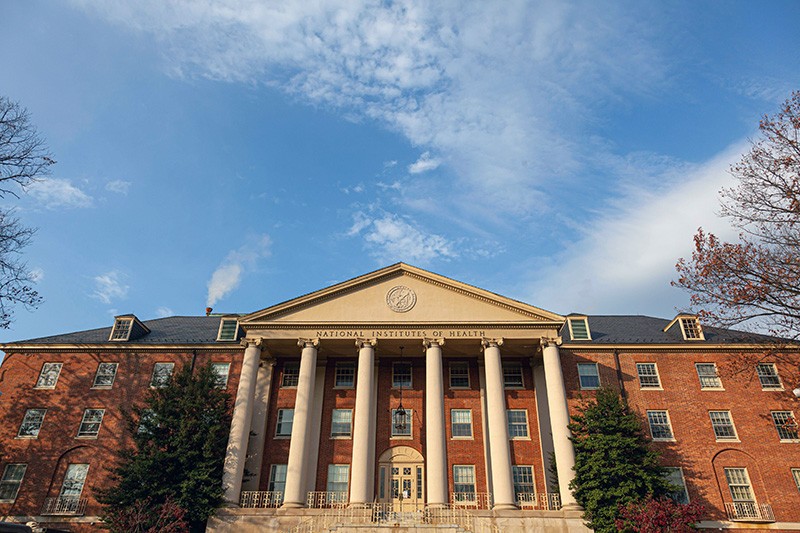
As the National Institutes of Health begins implementing Trump-era guidelines, researchers voice concerns over transparency and racial profiling.


Nidhi Subbaraman

In May, the NIH will begin requiring scientists applying for grants to submit copies of any contracts or agreements they have with foreign institutions.

The US government is converging on a long-awaited set of rules designed to protect American science from theft by foreign spies. A series of announcements this year describe steps that US universities and researchers must take when reporting foreign financing and collaborations to US science funders.

But university groups say they need more clarity on how to implement the rules. And the guidelines do not spell out how institutions can address concerns of racial profiling sparked by the US government’s crackdown on foreign interference in recent years.

The issue of foreign influence and interference in US research has loomed large as geopolitical tensions between the United States and China have risen. The new guidelines date back to the last days of former US president Donald Trump’s administration; so far, President Joe Biden’s administration has not indicated that it will seek to change the policies and that it is open to feedback.

Before he left office in January, Trump issued a memorandum describing the US government’s responsibility to protect the country’s research. Simultaneously, the White House Office of Science and Technology Policy (OSTP) published research security guidelines for universities and funding agencies. And in March, the US National Institutes of Health (NIH) announced new requirements for information that scientists applying for grants must disclose — becoming the first US agency to act on OSTP’s guidelines.

Together, the announcements represent a turning point. For years, US funding agencies have required grantees to flag funding from foreign sources. Since 2018, however, the government has more frequently imposed penalties, and sometimes pressed criminal charges, on scientists who breach that requirement. Under this increased scrutiny, university administrators called for clearer rules on what scientists must disclose, including better definitions of conflicts of interest. And because most cases involved funding from the Chinese government, and the arrest or censure of many scientists of Chinese descent, some researchers voiced concerns that the actions amounted to racial profiling. It is illegal in the United States to target people because of their racial or ethnic background.

University leaders hoped that the OSTP project, launched in 2019, would address some of these concerns by presenting a unified set of guidelines.

This year’s series of announcements “is a first step down that road, and that is positive”, says Tobin Smith, vice-president for science policy and global affairs at the Association of American Universities (AAU) in Washington DC. But the AAU and other groups hope the requirements will be fine-tuned. “We would still seek additional clarity to even make it more well-defined,” says Smith.

Guidelines delivered


The OSTP guidelines, drafted by the National Science and Technology Council Joint Committee on the Research Environment (JCORE), suggest that universities create teams devoted to all aspects of research security, with members who are experts on cybersecurity and export controls; set penalties for violators; and provide training for faculty members who are considering participating in foreign “talent programs” that recruit and fund researchers for their expertise. One such programme is China’s Thousand Talents Plan.

Trump’s companion memorandum instructed funding agencies to establish ways to vet foreign visitors, and to limit participation of US government employees in talent programmes.

The memorandum also told government agencies to share with each other information that raises concerns about grantees. That worries Roger Wakimoto, vice-chancellor for research at the University of California, Los Angeles, because it could unfairly cast suspicion on scientists. “I think a person is innocent until proven guilty,” he says.

In the same month the OSTP guidelines and memorandum were published, US Congress voted into law some broad requirements — that federal agencies must have disclosure rules, and that the OSTP must ensure the rules are consistent across agencies — in the National Defense Authorization Act (NDAA), an annual defence policy bill.

But meeting all the requirements might be too expensive for some smaller universities, says Deborah Altenburg, associate vice-president for research policy and government affairs at the Association of Public and Land-Grant Universities (APLU) in Washington DC. She hopes that the items are viewed as recommendations and not “a checklist of things that every university should do”.

The timing of the memorandum and JCORE report, arriving days before Biden was sworn in, has caused some confusion. Kelvin Droegemeier, who led the OSTP under Trump, hosted presentations with universities about the US government’s position on foreign collaborations throughout 2020. “But then there was no follow-through when the report came out” because of the administration change, says Altenburg. In February, several university groups, including the APLU and the AAU, sent a letter to the Biden administration asking for a public comment period to air their views on the report, which is typical before major agency announcements. As of 5 April, they had not received a response.

Droegemeier declined to comment to Nature about the timing of the announcements. The US Senate has not yet confirmed Biden’s pick for OSTP director, geneticist Eric Lander.

Guidelines deployed


But one agency is already pressing ahead with changes suggested by the JCORE report. In a notice released in March, the NIH for the first time asks scientists to include copies of contracts or agreements with any foreign institutions, including a translation of the original documents if they are not in English, when applying for grants or submitting updates on existing ones. In another first, the agency is requiring scientists to certify by electronic signature that the information they’ve submitted in their applications about foreign funding is accurate.

Wakimoto believes the addition of the signature box could ultimately be useful. “If it was me, I would pause and say, ‘Okay, did I really fill this out truthfully? Did I miss something?’”

NIH’s new requirements take effect in May, ahead of two major submission deadlines for grants. Universities and researchers could struggle to meet this deadline, says Kristin West, director of research ethics and compliance at the Council on Governmental Relations, based in Washington DC. Some contracts might contain non-disclosure or confidentiality clauses, she explains, which would need to be navigated for the first time, in addition to getting translations.

Concerns of racial profiling


In March, the Biden administration indicated how it might deal with research security issues. OSTP staff member Aaron Miles, one of the authors of the JCORE report, said at a presentation to the National Science, Technology, and Security Roundtable hosted by the National Academies of Sciences, Engineering, and Medicine, that Trump’s memorandum “is government policy, and we are moving forward with implementation”.

Any change to the executive action is always an option, Miles, who is principal assistant director of national security and international public policy at the OSTP, told Nature. A sitting president is able to change past executive orders and memoranda swiftly and without congressional approval.

Activists participate in a Washington DC rally in March after a gunman killed eight people, including six Asian women, in Georgia.

The January NDAA legislation directs the OSTP to unify disclosure requirements across agencies. Miles says the office seeks to reduce any additional burden from the rules, and to hear input from those affected by the new policies as they roll out.

It is still unclear how the new administration will approach concerns of scientists of Asian descent that they are being racially profiled by US research security efforts.

In January, civil-rights groups called on the Biden administration to shut down the Trump administration’s China Initiative, launched in 2018 by the Department of Justice to prevent theft of US intellectual property by the Chinese government. The groups said the programme “has greatly increased the targeting and profiling of Asian Americans and immigrants, particularly those of Chinese descent who are working in science and technology”.

A mass shooting in March brought new attention to anti-Asian racism in the United States, when a gunman killed eight people, including six Asian women, in and around Atlanta, Georgia. Civil-rights groups have seen a spike in incidents of anti-Asian violence over the past year. These acts have temporarily overshadowed concerns of racial profiling in the context of research security, says Wakimoto. Anti-Asian sentiment in the United States is “just so bad right now”.

Saturday, July 4, 2020

a happy pioneer childhood


всем ребятам пример
смотреть нужно на аккуратненьео закатанные носочки :)

Wednesday, April 29, 2020

The Coronavirus Risk Matrix

The UK is preparing to enter a lockdown phase similar to those across Europe and the rest of the world [текст от 19 марта]. Travel restrictions and quarantine measures are necessary to inhibit the spread of the novel Covid-19, but such restrictions also threaten global GDP growth and put healthcare businesses at risk. This EIU update will address the ‘high impact’ factors outlined in our Coronavirus Risk Matrix to assess how employee disruption, supply chain (API) disruption and reduction in demand are impacted by recent steps taken to reduce the movement of people and products in an effort to prevent contamination.

Employee disruption


The coronavirus is already causing significant employee disruption across all industries, including healthcare. As measures to minimise the movement of people are enforced, organisations are no longer able to maintain a ‘business as usual’ approach which places increased strain on daily operations. To protect employees in the UK, most organisations are treating the coronavirus as qualifying for statutory sick pay (SSP) and communicating this to staff. Some employers might also offer more than SSP – ‘contractual’ sick pay.

To protect employers, the self-employed and public services, a package of measures was announced by the UK Chancellor to provide support for public services, individuals and businesses to ensure that the impact of the virus is minimised. Moreover, to protect small businesses, the government announced that the cost of providing 14 days SSP per employee would be refunded by the government in full for businesses with fewer than 250 employees.

Supply chain disruption


The Federal Drug Administration (FDA), European Medicines Agency (EMA), and the Medicines and Healthcare products Regulatory Agency (MHRA), are monitoring the supply chain closely. Severe disruptions to supply involving shortages of critical medical products – particularly with regards to active pharmaceutical ingredients (APIs) – are expected.

Generic drug providers who source APIs from countries such as China or India are likely to face supply chain issues. Pharmaceutical demand from China is incredibly high. In the United States, the import of Chinese pharmaceuticals has increased 76% within the last decade, with approximately 80% of the medicines sold being produced in China. As such, the implementation of import and export restrictions on Chinese goods poses a significant threat to the global pharmaceutical supply chain. India also plays a vital role in the global supply chain and relies on China for a large percentage of APIs. Any restriction in supply is likely to result in rising drug prices.

Regulators are responding by enforcing special measures. Last week, the UK government banned parallel exporting and “hoarding” of three drugs used to treat coronavirus patients in anticipation of shortages in Britain. Exports of AbbVie’s Kaletra/Aluvia, combination lopinavir and ritonavir, the generic drug chloroquine phosphate and the generic drug hydroxychloroquine were restricted to meet the needs of UK patients. Hydroxychloroquine was placed on the restricted list from the 14th of March, and Kaletra and chloroquine phosphate were added on the 26th of February.

Similarly, in the United States, FDA released guidance last week designed to limit drug shortages that include:
  • Lengthening expiration dates
  • Requiring risk management plans
  • Improved data sharing
  • More accurate supply chain monitoring

The FDA continues to monitor 20 drugs that may become scarce as a result of the supply chain interruptions between China and the USA. While regulators maintain a strategic stockpile of drugs and medical supplies, these could fall short. To compound the issue further, pharmaceutical companies have shifted from stockpiling goods in warehouses to a “just in time” logistics model that ships products as the need arises – reducing costs but also increasing the likelihood of shortages.

Fundamentally, manufacturers will need to diversify and collaborate in order to mitigate risk, just as concerns are raised that some countries could look to nationalise the supply chain. No one organisation or country has adequate capacity to supply the world and ultimately cooperation and data sharing will be required in order to ensure the world remains fully supplied.

Reduction in demand


Brand pharmaceutical manufacturers and suppliers are likely to see a spike in demand for specific treatments, notably antivirals. However, the converse is also expected whereby demand for other pharmaceuticals may drop. This will occur as patients with other conditions are reluctant to visit their GP and are less willing to travel to pharmacies to collect prescriptions. The cancellation of non-emergency procedures and appointments to alleviate pressure on the NHS is also likely to reduce pharmaceutical demand. In the longer term, innovative drug developers may be impacted by slowing demand from China, a substantial growth market for international pharmaceuticals. These major shifts in demand will place strain upon systems, putting manufacturing risk mitigation strategies and capacity to the test.

Coronavirus Hub

Tuesday, October 16, 2018

spies are coming soon

был знаменитым врачом
был знаменитым врачом, а оказался
статистика продолжительности жизни продолжает вызывать сомнения
и во те здрасьсьте:
Конечно, министра порет чушь. Но это выглядит как доведенная до предела (региона) позиция Росминздрава: демографические показатели и смертность зависят от кардиоцентров и перинатальных центров.
ВЕЛИКИЙ НОВГОРОД, 15 октября. /ТАСС/. Главного врача Новгородской областной клинической больницы Аллу Хорошевскую, которая возглавляла учреждение с 2009 года, освободили от должности из-за роста смертности жителей региона от сердечно-сосудистых заболеваний. Об этом сообщила в понедельник пресс-служба правительства Новгородской области. [За падение рождаемости анафемой ограничацо? а если рыгиён мусульманский, или буддистский?]

"Одна из причин увольнения Аллы Ильиничны Хорошевской - и считаю, очень важная - это рост смертности среди жителей области от сердечно-сосудистых заболеваний. Это зона ответственности Аллы Ильиничны, в подчинении которой находится региональный сосудистый центр. Ситуация не раз обсуждалась с ней, но меры с ее стороны приняты не были", - приводятся в сообщении слова министра здравоохранения региона Антонины Саволюк [Антонина, ты же следующая].

По данным пресс-службы, до назначения главврача его обязанности будет исполнять заместитель главврача по медицинской части Светлана Бутримова. "Предполагается, что главным врачом станет молодой новгородский специалист", - цитирует пресс-служба Саволюк.

По итогам 2017 года Новгородская область вошла в пятерку регионов РФ с самыми высокими показателями смертности (17,1 случаев на 1 тыс. населения). Показатель смертности населения региона от болезней системы кровообращения в 2017 году составил 932 человека 100 тыс. населения, что составляет 54,5% от всех причин смерти.

Thursday, August 2, 2018

explorer or spy

новый зам Скворцовой:
c литса — разведчег, а, мб, таки шпиён ?
камкин
В пресс-службе Минздрава не смогли предоставить информацию о карьерном пути Евгения Камкина. В открытых источниках обнаружить ее не удалось.

Подробнее

Monday, January 11, 2016

Ready to Snitch

The Daily Beast:
all signs point to the former Kremlin propaganda boss cutting a deal with the FBI.

Was Putin’s Media Chief Ready to Snitch Before He Dropped Dead?

...why did Lesin, who was 57, tempt fate by entering the United States this past November?

Adding to the mystery, the precise cause of Lesin’s untimely demise hasn’t been revealed. Almost immediately, the broadcasting outfit RT (Russia Today), widely seen as a Kremlin mouthpiece, reported that Lesin died of a “heart attack,” citing an unnamed “family member.”

But a spokesperson for the Washington, D.C., police department told The Daily Beast that Lesin’s death is still under investigation. And although a coroner performed an autopsy nearly two months ago, the police aren’t saying how he died. That’s an unusually long time not to publicly state a cause of death

...Gazprom took over NTV anyway--by force--and in 2013 Lesin became the head of Gazprom-Media, an actual state-run media organization. RT, which reported the cause of Lesin’s death before a medical examiner had even seen his body, merely receives funding from the state.

...Lesin “may also have close business ties with individuals subject to U.S. sanctions,” as well as organizations, including  Bank Rossiya, which is closely linked to Gazprom, and the bank’s owner, Yury Kovalchuk, a billionaire who ranks among Russia’s richest people, is reportedly close to Putin personally, and was sanctioned by the Treasury Department after Russia invaded Crimea.

About two weeks after the Justice Department informed Wicker that the allegations against Lesin were referred to the FBI, Lesin resigned as the head of Gazprom-Media, citing unspecified “family reasons.” Kara-Murza, the journalist and Putin critic, who himself fell mysteriously ill last summer, has directly linked the department’s announcement to Lesin’s stepping down and said it showed that the threat of sanctions and prosecution could be used to bring down corrupt Russian officials.

“He also underestimated his rivals,” The Moscow Times wrote. “The heads of three of Russia's major TV channels complained to President Putin that Lesin had begun behaving as if he was their boss, as he had been while press minister.”

The walls were closing in on Lesin--in Washington and in Moscow. Perhaps Lesin’s trip to that DuPont Circle hotel was his first step towards a new life. But if he’d become an enemy of Putin and his friends, even the FBI might not have been able to save him.

Monday, October 12, 2015

An expected world wide revolution

из писем красноармейца, опубликованых Солониным :
Надо прямо тебе сказать (беру из лекции для бойцов), что капитализм доживает последние два года. Наша международная обстановка резко изменилась после выступления т. Сталина на выпуске академиков Кр. Армии и флота. Он говорил два часа, но это в печати не было опубликовано, а только было написано: выступал и все. Ты знаешь, что до этого говорили и сейчас. На гражданке говорят, что Красная Арм. существует для мира, а т. Сталин сказал, что теперь она существует не для мира, а для войны. Он ярко охарактеризовал наши задачи в настоящий момент. Мы исходим из 3-х установок Ленина, когда мы расширяем свои территории:
1. Когда происходят революции в других странах. Этого пока нет.
2. Когда государства воюют и не достигают цели. Это есть сейчас. По Ленину армия наша имеет право идти на Запад.
3. При национально-освободительном движении. Германия доживает последние свои минуты. Солдаты очень плохо настроены, бросают воевать. В стране голод, стоит только сделать один толчок и будет во всей Европе революция, особенно в Германии и Франции.
Все уже так тщательно подготовлено, что удивляешься, когда слышишь о этом. Армия наша так сейчас вооружена, что уже больше некуда. Разве не будет победы без крови, если один человек, сидящий в неизвестном месте, управлять обороной может на расстоянии в 2 км., а сколько у нас таких человек! А знаешь, какая у нас артиллерия! Ужас! И все на колесах, весь будущий фронт может сесть на машины и двинуться в путь. Вот какая наша сила! Если Германия выставит 10 тыс. самолетов, то мы можем 50 тыс. выставить против нее. Да 50 это официально, а так еще надо столько прибавить.
Да ведь их партия национал-социалисты, поляки получают в сутки 25 грм хлеба, а евреи 25 грм через день. Представь себе настроения народа, их боеспособность. Ну а если еще снаряд наш пролетит? И мы бросим хлеб Германии поставлять, тогда что?
Мы так сейчас готовы, что слов нет. Даже получена инструкция, как вести себя при продвижении по новой территории.

Saturday, May 16, 2015

HIV data does not exist ?

По мнению депутата Мосгордумы Людмилы Стебенковой, сведения руководителя Федерального научно-методического центра по профилактике и борьбе со СПИДом Вадима Покровского об уровне распространенности ВИЧ-инфекции в стране не соответствуют действительности.

«Эти небылицы об уровне ВИЧ-инфекции нельзя назвать достоверными, его можно привлечь к ответственности за распространение ложных данных в СМИ. И странно для главы бюджетного учреждения иметь свое мнение, которое противоречит позиции Минздрава», – цитирует Стебенкову «Коммерсантъ».  [вроде, не противоречит, хотя какие-то подвижки в принадлежности БД ВИЧ+ в последние годы были]

Ранее Вадим Покровский сообщил, что число ВИЧ-инфицированных в России в I квартале 2015 года увеличилось на 10% по сравнению с аналогичным периодом прошлого года – до 933 тысяч человек. По его подсчетам, этот показатель сопоставим с числом ВИЧ-инфицированных во всех европейских странах, вместе взятых.

Также он предложил ряд срочных мер – введение уроков сексуального просвещения в школах, разрешение заместительной терапии метадоном и создание системы социальной работы с наркозависимыми гражданами [трезвые предложения]. «Сексуальное просвещение в школах только увеличит интерес детей к сексу и приведет к всплеску ВИЧ и других болезней, – уверена депутат Мосгордумы. – Вместо распространения презервативов мы пропагандируем среди молодежи верность партнеру и призываем к созданию здоровой семьи, это гораздо эффективнее» [неэффективность и противоположность многократно доказаны на американском опыте]. Также Стебенкова сравнила Покровского с «типичным агентом против интересов нашего государства».

блять! откуда они беруцо? где их учат ходить на голове
она же и про презервативы байки травила

Tuesday, April 7, 2015

Tracing Polonium

слушания в Лондонском суде дают пищу раз/из мышлениям, новым и разв(и/еи)вают старые

Поло́ний — радиоактивный химический элемент 16-й группы (по устаревшей классификации — главной подгруппы VI группы), 6-го периода в периодической системе Д. И. Менделеева, с атомным номером 84, обозначается символом Po (лат. Polonium). Относится к группе халькогенов. При нормальных условиях представляет собой мягкий металл серебристо-белого цвета.

Случаи отравления полонием-210: Арафат и Литвиненко

статья в ТрВ, издержки:
Все следы от загрязнения полонием британскими исследователями разделены на «первичные» и «вторичные». «Первичные» — условно более 10 тыс. cps (т.е. импульсов в секунду на счетчике альфа-активности) — это следы, образовавшиеся, как полагают, от непосредственного контакта с исходным препаратом полония, использовавшимся для отравления. «Вторичные» следы (как правило, значительно менее 10 тыс. cps) — это следы, перенесенные людьми и предметами, контактировавшими с «первичными» следами. На слушаниях также говорили о «третичном» загрязнении. Из показаний счетчика можно оценить активность полония, измеряемую в беккерелях, Бк (число распадов ядер радиоактивного изотопа в секунду, в данном случае — с испусканием альфа-частицы с энергией 5,3 МэВ).
одна из версий: не Луговой/Ковтун заразили Литвиненко, а наоборот: он их
Основные органы, пораженные полонием, — желудочно-кишечный тракт, печень, почки, костный мозг [1] (INQ014961, стр.16, табл. 4), при этом наиболее критичным, как считается, было воздействие на костный мозг. Предел для доли полония, поступившего через легкие, установлен как <5% от общей активности. По заключению экспертов, в результате поражения многих органов у Литвиненко не было никаких шансов выжить и в том случае, если бы лечение началось немедленно. Даже 3% от принятой активности привело бы к его гибели (INQ007640).
В организме Лугового и Ковтуна обнаружили полоний на уровне сотен тысяч и миллионов беккерелей, что больше фонового значения на три (Луговой) и четыре (Ковтун) порядка. Но это намного меньше, чем у Литвиненко: у Ковтуна — в 1000 раз меньше, а у Лугового — примерно в 10 000 раз. В организм Андрея Лугового и Дмитрия Ковтуна полоний мог попасть и через легкие, и другим путем. Такие количества превышают допустимый уровень, но реально жизни не угрожают. Кроме того, в 6-й клинике в них вводили препарат унитиол, разработанный в СССР, который ускоряет вывод различных неорганических ядов из организма (анализы на полоний проводили до введения унитиола). В результате у Ковтуна были замечены лишь минимальные отклонения, а Лугового клинических проявлений вообще не было обнаружено.
Трудно сказать, 30 или 10% полония останется после стирки обычными методами, но точно большое количество. В трех стиральных машинах обнаружено значительное загрязнение полонием. Но тогда это значит, что этими полотенцами мог-ли утираться другие люди… Маловероятно, что следствию удалось найти и обследовать всех посетителей отеля Sheraton Park Lane, которые побывали здесь в течение трех месяцев.
ещё из статьи (справедливо на все случаи жизни):
необходимо учитывать количественную сторону вопроса: важен не только сам факт обнаружения полония-210, но и то, сколько его было обнаружено
где-то в сум буре ЖЖ есть ссылка на статью НиЖ? про следы и распространение полония, написанную до отравления Литвиненко (подполковника госбезопасности 1988—1999, родился в 1962, умер в 2006)

упг:
нашол статейку, оказалась не ЖЖ и НиЖ

Tuesday, January 6, 2015

total legend

любопытная статья про Зою Рыбкину:

В созданном в 1943 году аналитическом отделении разведки Зоя Рыбкина стала одним из основных аналитиков. К ней стекалась вся информация от знаменитой «Красной капеллы» [уничтожена в 1941] – антифашистских разведсетей Германии, ...... На основании информации, полученной от «Красной капеллы», Зоя Рыбкина составила для Сталина знаменитый аналитический доклад с днем и часом начала войны. Но Сталин, прочитав, сказал: «Это чушь! Блеф!..» А война началась ровно в день и час, указанные в докладе.
непоймишто : толи ачипятка, толи моск ацуцвуит, но вот и любопытный (хотя верить тоже нельзя) пассаж:

...она занялась анализом человеческих ресурсов побежденной Германии, сопоставляя перепись населения 1939 года и захваченных архивов гестапо и абвера.
в Киеве бузина, в огороде дядька -- представление чекистов о переписи и демографии ваще :)
протокольная фотка:
любопытно: были ли доклады про возможность войны с Украиной?

Monday, July 7, 2014

Churchill Archives Centre opened the famous Mitrokhin Archive

Митрохин = маёр КГБ, архивист, работал с архивами внешней разведки, потихоньку копировал их, а после падения СССР слинял. Теперь архив открыт. Ждёмссс е-нцаций :)
Мб, есть какая-то связь с куритивентами?

Василий Митрохин
подробнее на сайте кембриджского ун-та
см также архив СБУ

Wednesday, December 18, 2013

does anybody know palantir

По наводке мнений о здравоохранении сунулся в отчёт некого Палантира.
Кроме отчёта обнаружил там набор утилит. Мб, кто-то пользовался?
Или слышал вообще об этих деятелях.
Насколько понял: бывшие шпионы, ноне подвизающиеся на ниве онолитеги.
или как?

Отчёт, надеюсь пригодится по любому.
упг: нашол разоблачение

  error code while typing the post header = bX-3rpsxh

Thursday, December 5, 2013

snow Zen

Агентство национальной безопасности США ежедневно собирает данные о расположении около 5 миллиардов мобильных телефонов во всем мире, в том числе принадлежащих американцам {ессно во всём мире, не думаю, что в КНР и Индии у всех СП ложъ мобилы, а всего-то 7 млрд, включая младенцофф}.

Об этом сообщила газета Washington Post со ссылкой на источники, среди которых находятся документы, обнародованные бывшим сотрудником АНБ Эдвардом Сноуденом.

Эта информация попадает в базу данных о местонахождении “не менее сотен миллионов устройств”, пишет газета, основываясь на секретных документах и интервью с сотрудниками разведки.

По данным газеты, АНБ не отслеживает телефоны американцев целенаправленно, однако получает значительное количество такой информации “случайно”.

По словам одного из менеджеров, АНБ получает “большие объемы” данных о местонахождении устройств благодаря подключению к кабелям, которые соединяют сотовые сети по всему миру, обслуживая как иностранные, так и американские телефоны.

Американская разведка отказалась комментировать сообщение Washington Post. [прально: надо подумать для начала]

В статье приводятся слова представителей властей, утверждающих, что сбор и анализ данных о местонахождении телефонов не являются нарушениями закона и нацелены исключительно на получение разведывательной информации об иностранных подозрительных лицах.

Обширные программы сбора данных, проводимые американской разведкой, оказались в центре скандала после того, как в июне этого года Сноуден начал публиковать информацию, свидетельствующую о том, что масштабы слежки оказались значительно большими, чем предполагали американцы.

и вот вопрос: на фига козе баян ?

Thursday, July 11, 2013

Sunday, June 30, 2013

Competitive intelligence and industrial espionage

слева направо: Сахаров, Курчатов и собачка
мордокнишный фриенд отписалъ:
Разгром академии готовился втайне, как ГКЧП. Наша рейдерская власть учиняет нам проверку на вшивость - смолчат, стерпят? "Сопи в портянку, я те слова не давал. И не дам. Я лучше знаю, кому, на что и сколько денег давать. Чтобы и на откат хватило. А тебе не нравится - вали, хоть в Калифорнию. Больно нужна нам ваша фундаменталка. Саров даст, что надо. Нехватит оружия - купим у французов. И внешней разведке дадим заказ".
Нас припёрли к стенке, терять уже нечего. Упремся!
откаментил ему:
внешняя разведка -- практически бесполезна 
поясню:
в аппеляции к разведке, видимо, имеется в виду утыривание атомной бомбы тов Судоплатовым под руководством тов Берии; факт этот, похоже, имел место быть -- об этом много чего написато. Приносили чертежи Курчатову (1903 гр, окончившему в 20 году полный восьмилетний курс Симферопольской мужской губернской казенной гимназии, читай ЕГЭ не сдавал, о роли партии не имел никакого представления). Водородные -- Сахарову (1921 гр, начальное образование получил дома; в школу пошел учиться с седьмого класса,  мб, и пионеромта не был). Ещё есть Королёв (1906 гр, получал образование дома — его мать и отчим были учителями, а отчим, помимо педагогического, имел инженерное образование). Эти люди могли понять стыреные чертежи и схемки.
Теперь представим, что СВР упёрло реально не план пылесоса, а нечто типа принципиальной схемы нового процессора, или ещё какованить чипа и дэйла. Малатсы! Кому мы это дадим шоп прозвёл быстрее, дешевле и надёжнее. Ессно Пентковсому, онже пентиум изобрёл. Дык, он в Калифорнии, да и помер уже. Остаецо Бабаян (но он на Эльб Русе), а по существу некому дать почитать/посмотреть.
Это ещё что всётки -- технология, нанизмь, горизонты науки, а скоро и таблицу умножения надо будет украдать, да не поймёт никто. 

Monday, February 25, 2013

Khotimski

Советский плакат, рекламирующий перепись населения 1937 г.

Имя Валентина Хотимского мало известно широкой публике. Между тем его биография заслуживает того, чтобы привлечь к ней внимание

Хотимский был одним из тех, кто решил судьбу царской семьи. Для узкого круга специалистов – это ученый-статистик, на учебниках которого выросло целое поколение советских экономистов. При этом он же – засекреченный сотрудник советской военной разведки. И наконец,  именно Хотимский руководил подсчетом итогов разоблачительной переписи 1937 года, результаты которой были на полвека скрыты после приказа Сталина. В возрасте 47 лет он стал одной из жертв учения, в которое слепо верил.

по ссылке кстате: фотка работы переписчика 37 года